





How Long Does a Spring Mattress Really Last?
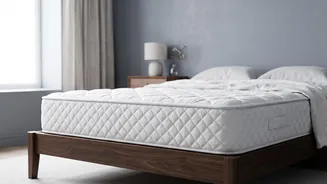
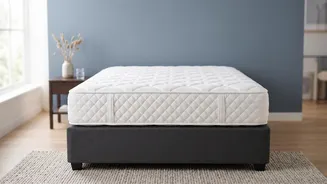
The lifespan of a spring mattress can vary significantly, but a general estimate is between seven and ten years. However, this is not a fixed rule. Budget-friendly models might start to show signs of wear, like sagging, in as little as 5 to 6 years. In
contrast, a high-quality mattress made with premium materials and better construction can comfortably last for 8 to 12 years. The key takeaway is that quality matters more than the type of mattress alone. Factors like the type of coils, the quality of the comfort layers on top, and how it's used all play a major role in its longevity.
Key Factors That Influence Durability
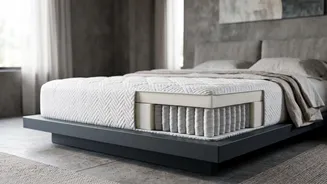
Several components determine how well a spring mattress holds up over time. First is the coil system itself. There are two main types: Bonnell springs, which are interconnected, and pocket springs, where each coil is individually wrapped. Pocket springs are generally better at reducing motion transfer and providing targeted support, which can help them wear more evenly. The quality of the wire used for the coils is also crucial; heat-treated steel, for example, is more resilient and less likely to lose tension. Beyond the springs, the comfort layers of foam and padding are often the first parts to break down. High-density foam will resist sagging much better than lighter, cheaper alternatives.
Common Signs It's Time for a Replacement
Your body is often the best indicator that your mattress is past its prime. Waking up with stiffness or aches is a major red flag. Other clear signs of wear include visible sagging or body impressions that don't disappear, squeaking or creaking noises when you move, and feeling the coils through the comfort layers. An interconnected Bonnell spring mattress may also start transferring more motion, meaning you feel every toss and turn from your partner. If you notice several of these issues, it's likely time to start looking for a replacement.
Essential Maintenance to Maximise Lifespan
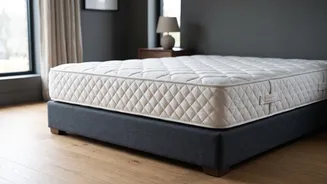
Proper care can add years to the life of your spring mattress. The most important habit is to rotate it head-to-foot every three to six months. This ensures wear is distributed evenly and prevents deep sags from forming in one spot. Using a high-quality mattress protector is also nonstoppable. It shields the mattress from spills, sweat, dust mites, and allergens, which can all degrade the materials inside. Ensure your mattress has proper support from a sturdy bed frame, as a weak base can cause it to sag prematurely. Finally, keep children from jumping on the bed, as this puts excessive stress on the coils and can cause them to wear out faster.
A Simple Cleaning Routine
To keep your mattress fresh and hygienic, vacuum it regularly with an upholstery attachment. This removes dust, dead skin cells, and other allergens that accumulate on the surface and in the seams. For spills or stains, spot-'clean immediately using a mild detergent mixed with water.' Gently dab the area rather than scrubbing or soaking it, as excess moisture can damage the internal components and lead to mould.' To deodorise the surface,' you can sprinkle a thin layer of baking soda,' let it sit for a few hours to absorb odours,' and then vacuum it up thoroughly.