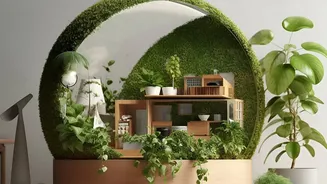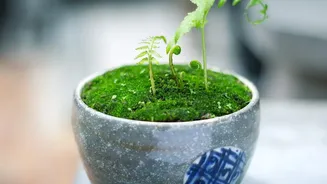


Looking for a unique way to bring greenery indoors? A moss garden offers a touch of tranquil, miniature woodland beauty. This guide will walk you through creating your own lush moss display, a perfect project for any skill level.
The Allure of Miniature Landscapes
An indoor moss garden
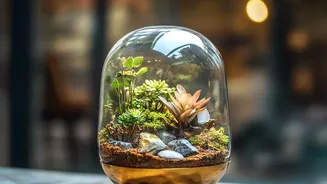
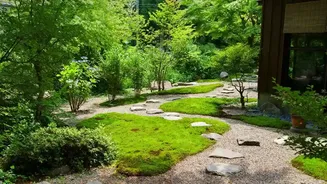
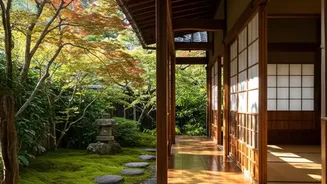
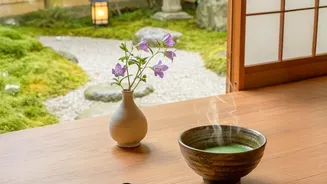
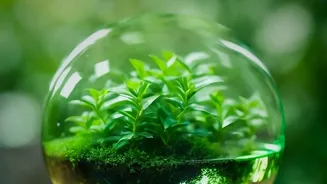
is a contained display of living moss, often housed in a glass terrarium, a shallow dish, or even a decorative bowl. Unlike most houseplants, mosses don't have roots; they absorb water and nutrients through their leaves. This unique characteristic makes them perfect for indoor spaces that are shaded and consistently moist. Beyond their low-maintenance appeal, these gardens bring a sense of calm and natural texture to home decor. Their slow growth and soft, green appearance can create a soothing focal point, often used in minimalist or Japanese-inspired design schemes.
Choosing the Right Moss
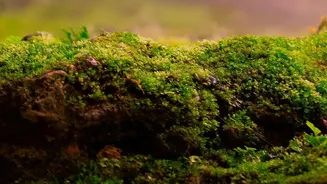
Not all moss is suited for indoor life. For a thriving garden, select species that adapt well to high humidity and indirect light. Some of the most popular and beginner-friendly choices include Cushion Moss (Leucobryum glaucum), which forms dense, round mounds, and Sheet Moss (Hypnum), which spreads out like a flat carpet. Fern Moss offers a delicate, feathery texture, while Mood Moss provides lush, wavy clumps that can add a sense of movement to your design. You can purchase these varieties from garden centres or online suppliers. While collecting moss from the outdoors is an option, it risks introducing pests.
Selecting the Perfect Container
The container you choose is foundational to both the aesthetic and health of your moss garden. Glass terrariums, jars, and bowls are popular because they excel at trapping humidity. A closed container will require less frequent watering but will need to be ventilated occasionally to prevent mold. Open containers, like shallow ceramic dishes, offer better airflow but will cause the moss to dry out more quickly. For a simple Zen garden look, a shallow dish with sheet moss and a few smooth stones works well. For more elaborate, multi-level designs, a glass terrarium provides the ideal environment to build a miniature landscape. Ensure any container is thoroughly cleaned before use, as chemical residues can harm the sensitive moss.
Building the Foundation
Proper layering within your container is key to creating a healthy environment. Start with a base layer of small pebbles or gravel for drainage. This allows excess water to collect without waterlogging the moss. On top of the pebbles, add a thin layer of activated charcoal. This step is crucial, especially in closed terrariums, as it helps filter impurities and keep the environment fresh. The final layer is your substrate. Mosses prefer a slightly acidic, nutrient-poor base. A mix of peat moss, coconut coir, or a potting soil without added fertilizer works well. Moisten this layer before adding your moss.
Designing Your Moss Scene
Once the foundation is set, the creative part begins. Gently press your chosen moss onto the surface of the substrate, but do not bury it. Moss uses tiny threads called rhizoids to anchor itself, so good contact with the surface is important. You can use whole clumps of cushion moss to create the effect of rolling hills, or lay down pieces of sheet moss to form a green carpet. To add visual interest and a sense of scale, incorporate other natural elements. Small stones, pieces of driftwood, or delicate twigs can be used to create a more realistic woodland scene. For a bit of whimsy, some people even add miniature figures.
Care and Long-'Term Maintenance
Maintaining the right balance of moisture and light is the most critical aspect of moss care. Mosses thrive in bright, indirect light; direct sunlight will quickly scorch and dry them out. A spot near a north'-facing window is often ideal. Water is equally important. Mist your garden every few days with a spray bottle, using distilled water or rainwater if possible, as tap water can contain minerals and chlorine that harm moss. The soil should remain consistently damp but never waterlogged. In a closed terrarium, condensation on the glass is a good sign of adequate humidity. If you notice too much water pooling, simply open the lid for a few hours to allow for ventilation and prevent mold.