






1. What happens if my trip is cancelled or cut short by weather?
This is the most fundamental question for monsoon travel. Heavy rains can lead to flash floods, landslides, and widespread waterlogging, causing flights and trains to be cancelled or entire destinations to become inaccessible. You need to know if your
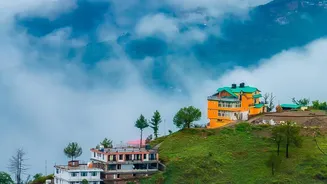
policy offers Trip Cancellation and Trip Interruption coverage specifically for weather-related events. Ask your provider to clarify their definition of a natural disaster and what triggers the coverage. For example, will they reimburse your pre-paid, non-refundable bookings if a cyclone is named and a travel warning is issued for your destination? What if a landslide blocks the road to your Himalayan resort, forcing you to return home early? Understanding these specifics ensures you are covered for the most common monsoon mishaps. Some policies will cover unused portions of your trip and additional expenses for an early return.
2. Does the medical coverage include monsoon-related illnesses?
The rainy season unfortunately brings a spike in vector-borne diseases like dengue, malaria, and chikungunya. A standard health insurance policy might have limitations when you are travelling. Your travel insurance should ideally include robust emergency medical coverage for illnesses contracted during your trip. It’s crucial to check if diseases prevalent during the monsoon are explicitly covered. Ask about the specifics of the coverage: does it include hospitalisation costs, diagnostic tests, and emergency medical evacuation if you are in a remote area with limited healthcare facilities? Medical evacuation can be extremely expensive, so confirming this benefit is vital for peace of mind. Don't assume all illnesses are covered; always read the policy documents carefully for any exclusions.
3. Am I covered for significant travel delays?
Monsoon travel is often synonymous with delays. A waterlogged runway can keep your flight grounded for hours, and flooded tracks can bring trains to a standstill. These delays don't just test your patience; they can also cost you money. Ask if your policy includes Trip Delay coverage. This benefit can reimburse you for expenses like meals, accommodation, and transportation incurred during a prolonged delay. Policies usually specify a minimum delay time (e.g., 3-6 hours) before the coverage kicks in. Also, inquire about missed connection coverage. If a weather-delayed flight from one city causes you to miss an onward international flight, a good policy may cover the cost of rebooking or other associated expenses.
4. What about loss or damage to my belongings?
Protecting your luggage and gadgets is another key concern during the wet season. Constant dampness and sudden downpours can damage electronics like cameras and laptops. Baggage can also be delayed or lost during chaotic travel situations. Check if your policy offers coverage for baggage and personal effects. Specifically, ask if there is coverage for damage caused by water. While theft and loss are standard inclusions, weather-related damage might be in the fine print. Understanding the limits and deductibles for this coverage is also important, as it helps you decide if it’s worth filing a claim for a smaller item.
5. Are adventure activities covered?
The monsoon is a popular time for trekking, waterfall rappelling, and other adventure sports in scenic locations. However, these activities carry inherent risks that are often magnified by wet and slippery conditions. A standard travel insurance policy frequently excludes what it deems to be 'hazardous' or 'extreme' activities. If you plan on participating in any adventure sports, you must ask if they are covered. You may need to purchase a specific adventure sports add-on or a specialized policy that waives these exclusions. This is non-negotiable, as an injury during such an activity without the right coverage could leave you with substantial medical bills.