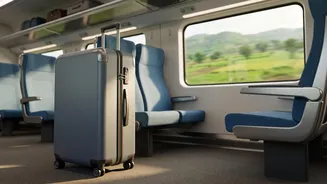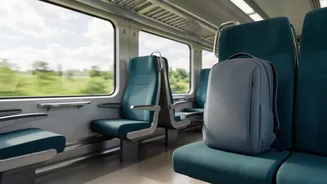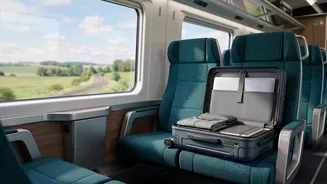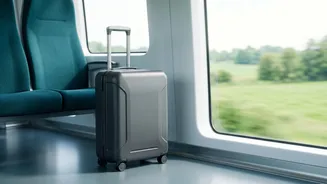





The Classic Chain and Lock
There's a reason this method has been trusted by Indian train travellers for decades: it works. Most long-distance coaches, especially in AC and sleeper classes, have steel loops or rings welded under the lower berths. Investing in a sturdy steel chain
and a reliable padlock is your first line of defence. Simply thread the chain through your luggage handles and secure it to these anchor points. This single act makes it incredibly difficult for an opportunistic thief to simply walk away with your entire bag, especially during overnight journeys when you're asleep.
Choose Your Luggage Wisely
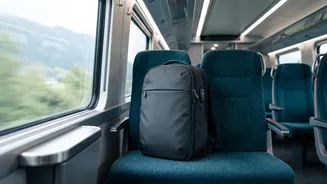
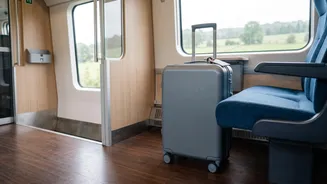
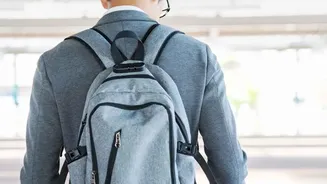
Your security strategy begins before you even pack. Opt for hard-sided luggage, which is more resistant to slashing than soft-sided bags. For your electronics, an anti-theft backpack is a game-changer. Look for features like slash-resistant fabric, lockable zippers, and hidden compartments. These bags are specifically designed to thwart pickpockets and make it much harder for anyone to access your valuables, whether you're on a crowded platform or sleeping in your berth.
Embrace Smart Technology
The term 'smart luggage' can mean many things, from bags with built-in GPS to those with digital locks. While bags with non-removable lithium batteries can be an issue for air travel, the tech itself offers powerful security benefits for train journeys. Consider placing a separate GPS tracker, like an Apple AirTag or a dedicated cellular tracker from brands like Tracki, inside your main suitcase and laptop bag. These small devices allow you to monitor your bag’s location in real-time from your phone, providing immense peace of mind. Some smart locks can also be controlled by an app or fingerprint, adding a high-tech layer of protection.
The 'Valuables' Bag Strategy
Never leave your most critical items—phone, wallet, laptop, chargers, and identification—in your main luggage stored under a berth. Always carry a small daypack or sling bag for these essentials. This bag should never leave your side. When you go to the washroom, it goes with you. When you sleep, use it as a pillow or keep it near your head, physically close to your body. Some travellers even loop a strap around their wrist or leg. This simple habit dramatically reduces the risk of losing your most important belongings.
Be Alert and Aware
Technology and locks are crucial, but they are no substitute for situational awareness. Be extra vigilant at crowded stations, as most thefts occur when a train is stopping or just starting to move, providing thieves a quick escape. Avoid flashing expensive gadgets unnecessarily. When you need to leave your seat, ask a fellow passenger you've built a rapport with to keep an eye on your things, but never ask a stranger to watch your valuables. A simple, alert posture can often be enough to deter potential thieves looking for an easy target.
Clever Concealment and Decoys
Think like a magician: misdirection is a powerful tool. Don't store all your valuables in one obvious place. Distribute cash and cards between your main wallet and another secure spot. Some travellers use a 'decoy' wallet with a small amount of cash and some old, expired cards to hand over in the unlikely event of a confrontation. When packing, place valuable items deeper inside your bag, not in easily accessible outer pockets which are the first places a thief will check.