






Your Pre-Commute Digital Check
Before you even step out the door, your smartphone can be your most powerful tool. A layered approach to checking conditions provides a complete picture of your impending journey. Start with a reliable weather app. The government's official 'MAUSAM' app provides forecasts,
radar imagery, and crucial color-coded warnings for severe weather issued by the India Meteorological Department (IMD). Private apps like Skymet Weather, AccuWeather, and The Weather Channel are also excellent alternatives, offering features like minute-by-minute precipitation forecasts that can help you time your departure to avoid the heaviest downpours. About 30 minutes before you leave, switch your focus from weather to traffic.
Real-Time Route and Traffic Analysis
Knowing it will rain is one thing; knowing which roads are already flooded is another. This is where navigation apps are essential. Google Maps and Waze provide real-time traffic data, showing congestion with colour-coded lines and often marking road closures. In India, these apps incorporate user reports and official alerts to flag waterlogged areas, helping you spot and avoid trouble spots before you get stuck. Mappls by MapmyIndia is another popular Indian app that allows users to report issues like waterlogging, accidents, and jams. For the most immediate, on-the-ground updates, turn to social media. Many city traffic police departments are highly active on platforms like X (formerly Twitter), posting instant alerts about flooded streets, diversions, and traffic jams. Searching hashtags like #MumbaiTraffic or #DelhiRains can reveal real-time photos and videos from fellow commuters.
Navigating Waterlogged Roads Safely
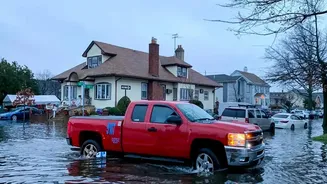
Sometimes, encountering a flooded street is unavoidable. What looks like a shallow puddle could be hiding a deep pothole or an open manhole. If you cannot judge the depth of the water, it is safest to find an alternative route. If you must proceed, do so slowly and steadily, trying to keep to the center of the road where it is often highest. Avoid revving the engine or stopping suddenly. For car drivers, if your vehicle stalls in deep water, never try to restart it, as this can cause severe engine damage. For those on two-wheelers, the risks are even greater. Be extra cautious of slippery road markings and hidden debris. Defensive driving is non-negotiable in the monsoon; reduce your speed and double the distance between your vehicle and the one in front to account for longer braking distances on wet roads.
Vehicle Preparedness and Essentials
Your vehicle's condition is a critical part of monsoon safety. Before the season gets into full swing, ensure your tyres have adequate tread, as worn tyres are prone to hydroplaning (losing contact with the road surface on a layer of water). Check that your brakes, headlights, and especially your windscreen wipers are in perfect working order. It’s also wise to assemble a small monsoon kit for your commute. This should include a powerful torch, a first-aid kit, and a fully charged power bank for your phone, as delays can leave you stranded with a dead battery. Keeping a waterproof bag for your electronics, a dry towel, and even a change of clothes at the office can make a huge difference to your comfort and well-being.
Tips for Public Transport Users
If you rely on buses, local trains, or the metro, planning is just as crucial. Expect delays and overcrowding. Always have extra travel time built into your schedule. Wear comfortable, non-slip footwear like gumboots or sturdy waterproof sandals to navigate slippery station floors and puddles. Keep your phone charged and consider downloading your digital ticket in advance. Be mindful when boarding and alighting from vehicles, which can be wet and slippery. Follow official advisories; if authorities recommend avoiding non-essential travel due to a 'Red' or 'Orange' alert, it's best to heed the warning for your own safety.