

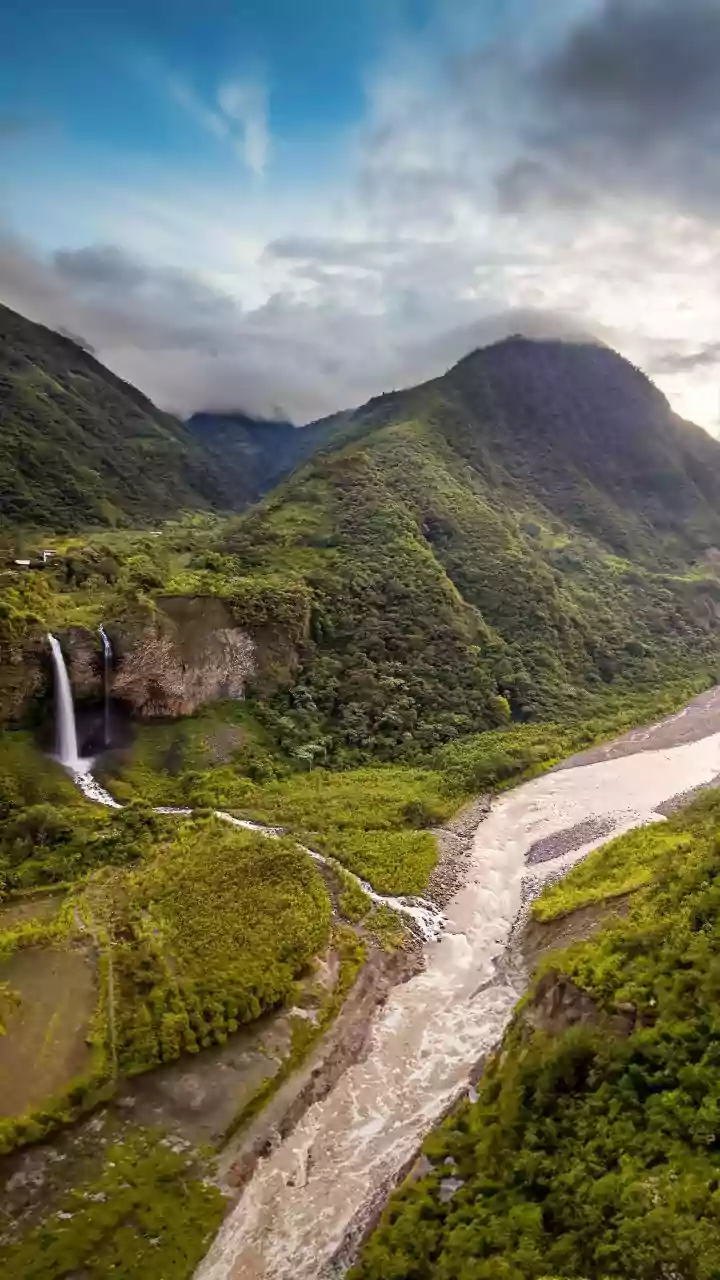




1. Scrutinise Weather and Landslide Alerts
Going beyond a simple temperature forecast is non-negotiable. Check the India Meteorological Department (IMD) website for district-level warnings, paying close attention to 'orange' or 'red' alerts for heavy rainfall. Many state disaster management authorities
also issue specific advisories. Look for landslide warnings, as saturated slopes in regions like Himachal Pradesh, Uttarakhand, and the Western Ghats are highly susceptible to slips. Remember, even a forecast for a 'below-normal' monsoon season doesn't eliminate the risk of short, intense cloudbursts that can trigger local disasters.
2. Vet the Property’s Location and Structure
That stunning hotel perched on a cliff edge or nestled by a river might look idyllic, but its location is a critical safety factor. Before booking, use satellite map views to assess its proximity to steep slopes, water bodies, and drainage channels. Avoid properties built directly on unstable hillsides or too close to rivers that can swell dangerously. In recent years, haphazard construction has worsened slope instability in many popular towns. It's also wise to call the hotel directly and ask about their safety record during previous monsoons and what structural precautions they have in place.
3. Confirm Road Accessibility and Alternatives
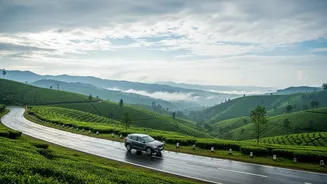
The most beautiful resort is worthless if you can't reach it safely. Major highways in hilly regions are frequently blocked by landslides during heavy rains. Before booking, research the primary access routes to your destination. Are they known for frequent closures? Are there viable alternative routes? Check real-time updates from local traffic police and public works departments, which often post information on social media. Driving at night is best avoided due to poor visibility and slippery conditions. If you're hiring a driver, ensure they are experienced with monsoon driving in the hills.
4. Check for On-Site Emergency Readiness
Once you've vetted the location, inquire about the hotel’s internal emergency plans. What protocols do they have for power outages, which are common during monsoons? Do they have backup generators and sufficient fuel? Is there a well-stocked first-aid kit, and are staff trained to use it? Given that you could be stranded for a day or two if roads close, ask if they maintain a reserve of essential supplies like food and drinking water. A prepared hotel is a sign of a responsible establishment that prioritises guest safety over just aesthetics.
5. Plan for Health and Hygiene
The monsoon brings an increased risk of waterborne and vector-borne diseases. Pack a personal medical kit containing basics for fever, stomach ailments, and antiseptic creams. Mosquito repellent is essential, as diseases like dengue and malaria spike during this season. Be extremely cautious with food and water. Stick to bottled or purified water and avoid street food, uncooked salads, or anything that might have been washed with contaminated water. Keeping a hand sanitiser with you is also a good practice.
6. Verify Communication and Connectivity
In an emergency, a working phone is your lifeline. Hilly terrain and severe weather can lead to patchy mobile networks and internet connectivity. Before you finalise your booking, check with the hotel about the reliability of mobile service for your provider in their specific area. Ask if they offer stable Wi-Fi. It’s also wise to carry a fully charged power bank, as power cuts can be frequent and prolonged. Always inform a friend or family member of your detailed itinerary before you leave.
7. Pack Smart, Not Heavy
Your packing list for a monsoon trip is different from a summer one. Prioritise quick-drying synthetic clothing over cotton, which stays damp for a long time. Waterproof footwear with excellent grip is crucial to prevent slips and falls on slick paths. A sturdy raincoat and a small umbrella are non-negotiable. Protect your electronics, documents, and cash by storing them in waterproof bags or zip-lock pouches. Packing light will also make it easier to navigate should you face any travel disruptions.