


The Philosophy of Flavour Layering
The secret to a truly memorable dish often lies in its complexity. By using one core ingredient in several forms, you’re not just repeating a flavour; you’re showcasing its entire personality. Each cooking method unlocks a different aspect of the ingredient's
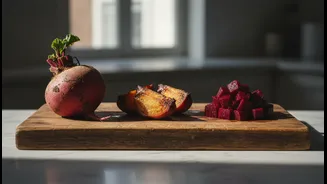
chemical and structural makeup. A raw component might bring fresh, crisp, and vibrant notes. A cooked version—perhaps steamed or boiled—offers a softer texture and a more mellow, pure taste. Roasting, on the other hand, introduces deep, savoury, and sweet notes through caramelization and the Maillard reaction. When combined, these different expressions of the same ingredient create a symphony of flavour and texture that makes a simple dish feel sophisticated and complete.
The Role of Raw
The raw element in a dish acts as a bright, high-energy counterpoint. It offers a clean, unadulterated flavour and, often, a satisfying crunch. Think of thinly shaved raw carrots or fennel in a salad, whose fresh bite contrasts beautifully with their cooked counterparts. This raw component preserves the ingredient's natural state, offering flavours and nutrients that can be diminished by heat. It's the zesty, crisp element that can cut through richness and prevent a dish from feeling too heavy or monotonous. Adding a raw component at the end of cooking is a classic technique for layering flavour and adding a final touch of freshness.
The Comfort of Cooked
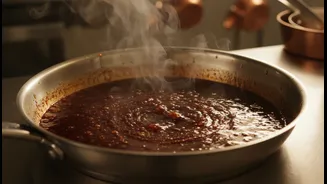
Cooking an ingredient through methods like boiling, steaming, or pureeing generally results in a softer texture and a milder, often sweeter, flavour profile. Boiling vegetables, for instance, can sometimes get a bad rap, but when done right, it yields a pure, clean taste that highlights the ingredient itself. A carrot puree, for example, is comforting, smooth, and gently sweet. This cooked form provides the foundational body of the dish. It can be a creamy base, a soft bed for other ingredients, or a tender element that melds with sauces and other components, creating a cohesive and satisfying mouthful.
The Magic of Roasting
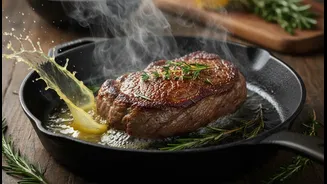
Roasting is where true transformation happens. The dry, high heat of an oven works wonders on vegetables and proteins alike. This process triggers two key chemical reactions. First is caramelization, the browning of sugar, which brings out nutty, sweet flavours. The second is the Maillard reaction, a complex interaction between amino acids and reducing sugars that creates hundreds of new, deeply savoury flavour compounds. This is why roasted carrots taste so much richer and more complex than boiled ones, and why the crust on a seared steak is so delicious. The roasted component adds a smoky, concentrated, and intensely savoury dimension that provides a deep, foundational flavour layer.
Putting It Into Practice: The Humble Carrot
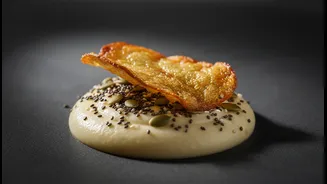
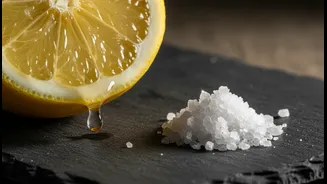
Let’s take the carrot as a perfect example. A dish could feature a base of silky, roasted carrot puree (the cooked element). On top of this, you could arrange deeply caramelized, roasted carrot chunks that offer a sweet, intense flavour and a tender bite (the roasted element). Finally, a garnish of finely shaved or julienned raw carrot, tossed with a bit of lemon juice and parsley, would provide a fresh, crunchy finish. Each preparation of the carrot contributes something unique: the puree is earthy and comforting, the roasted chunks are sweet and savoury, and the raw shavings are bright and crisp. Together, they create a complete, multi-dimensional carrot experience.
More Ideas to Get You Started
This technique isn't limited to just carrots. Think about other versatile ingredients. For a corn dish, you could make a creamy corn pudding (cooked), top it with grilled corn kernels straight from the cob (roasted/charred), and finish it with a salsa of raw corn, lime, and cilantro (raw). For a tomato-focused plate, use a slow-roasted tomato sauce as a base, add slices of fresh, ripe heirloom tomatoes, and perhaps some intensely flavoured sun-dried tomato pieces. The possibilities are endless once you start seeing your ingredients not as single-use items, but as versatile elements with a whole spectrum of flavours to unlock.