



The undercut remains a sharp, versatile hairstyle, but achieving lasting volume on top can be a daily battle. While letting it air-dry seems like a simple, healthy choice, it’s often the reason your style falls flat by midday.
The Problem with Air-Drying
When hair is wet, it’s at
its most vulnerable and heaviest. The hair shaft swells with water, which temporarily breaks down its natural hydrogen bonds. As you let the longer top section of your undercut air-dry, the weight of the water pulls the strands downward. Hair tends to remember the position it dries in, so when it dries flat against the scalp, it sets that way, resulting in a limp, lifeless look with minimal volume. This is especially true for those with fine or straight hair, which is easily weighed down. While air-drying avoids heat, the prolonged period of dampness can also put stress on the hair's internal structure, potentially leading to weakness over time.
The Science of Heat and Lift
A blow-dryer gives you control over the shape and direction of your hair as it dries. The heat from the dryer allows you to manipulate the hair's hydrogen bonds while they are reforming. By lifting the hair at the roots with your fingers or a brush and directing the airflow upwards, you are essentially telling your hair to set in a lifted position. This creates volume right at the scalp, which is the foundation for a style that holds. The key is to remove moisture quickly, which prevents the hair from sitting in a weakened, swollen state for too long. Studies have even suggested that blow-drying correctly—at a moderate temperature and a safe distance—can cause less internal damage than prolonged air-drying.
Your Essential Toolkit
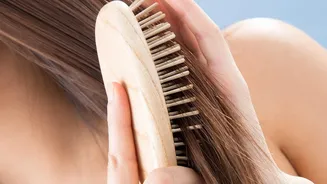
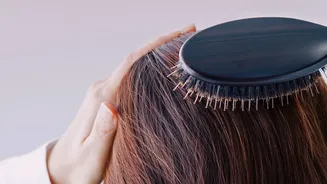
You don't need a professional salon setup, but a few key tools make a world of difference. First, a quality blow-dryer with adjustable heat settings and a concentrator nozzle is crucial. The nozzle directs the airflow precisely where you want it, giving you control. Second, a heat protectant spray or cream is non-negotiable. It creates a barrier that minimizes damage from the heat. For even more lift and control, consider using a round brush or a vented brush. A round brush helps create tension and smooths the hair as it lifts, while a vented brush allows air to circulate freely. Finally, a pre-styling product like a volumizing mousse or root lift spray applied to damp hair provides grip and helps the style hold.
A Step-by-Step Guide to Maximum Volume
Getting that barbershop-fresh volume is all about technique. Start with towel-dried, damp hair—not soaking wet. First, apply your heat protectant evenly. If you're using a volumizing mousse, work it into the roots. Begin by rough-drying your hair, using your fingers to lift the roots and moving the dryer around to get it about 80% dry. Flipping your head upside down for this step is a classic trick that works wonders for initial lift. Next, attach the concentrator nozzle. Working in small sections, use a round brush or your fingers to pull the hair at the crown straight up from the scalp. Aim the blow-dryer's airflow at the roots, following the brush. Once a section is dry, hit it with the 'cool shot' button on your dryer for a few seconds. This blast of cool air rapidly sets the bonds in the hair, locking in the volume you just created. Repeat this process for the entire top section. Finish with a small amount of pomade or styling wax to define the style without weighing it down.
Keeping Your Hair Healthy
While blow-drying is effective, daily heat can take a toll if you're not careful. The goal is to style, not scorch. Always use the lowest heat setting that effectively styles your hair. High heat can degrade the hair's natural proteins and damage the protective outer cuticle, leading to dryness and breakage. Keep the blow-dryer moving constantly and maintain a distance of about 15cm (6 inches) from your hair to distribute heat evenly and prevent overheating any single spot. Don't aim for bone-dry hair; leaving a tiny bit of moisture prevents over-drying. Finally, give your hair a break from heat styling a couple of days a week if possible. On those days, a texturizing paste or styling cream on damp hair can provide a more relaxed, natural look.