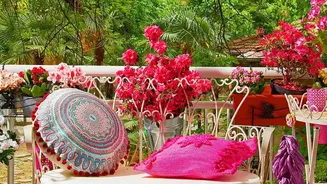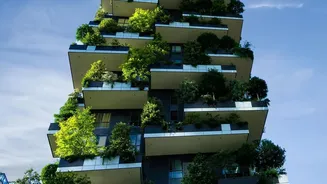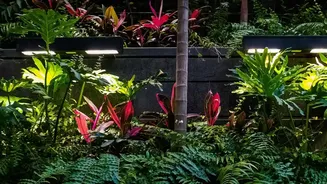


From Concrete Box to Living Ecosystem
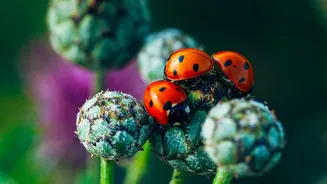
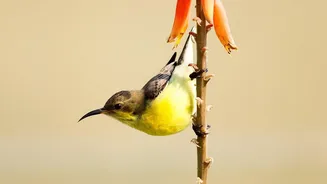
The hum of a bee, the flutter of a butterfly's wings, the fleeting visit of a sunbird—these small moments are powerful antidotes to urban life. Creating a garden that invites these creatures is not just an aesthetic upgrade; it’s an act of ecological
generosity. As cities expand, natural habitats shrink, leaving pollinators with fewer resources. A well-tended balcony can act as a crucial 'pit stop', providing nectar, pollen, and shelter. These small green spaces, when networked across a neighbourhood, create vital corridors that help wildlife navigate the urban environment. The reward is a balcony that feels alive, offering daily connection to the rhythms of nature and a profound sense of satisfaction that you are supporting the tiny, essential workers of our ecosystem.
A Welcome Mat for Bees
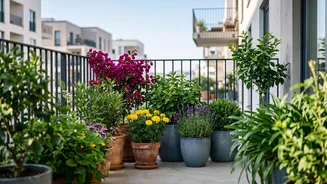
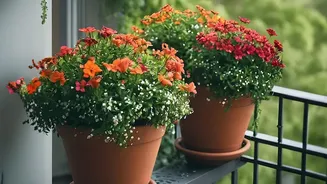
Bees are some of the hardest-working pollinators, and inviting them to your balcony is simple. They are drawn to bright colours and nectar-rich flowers. Planting in clusters creates a more attractive landing zone for them. Start with a few pots of Marigold (Genda), a hardy and cheerful flower that’s incredibly easy to grow in Indian climates. Their bright yellow and orange blooms are a magnet for bees. Another excellent choice is allowing herbs like Tulsi (Holy Basil) to flower. While we value it for its leaves, the small, nectar-rich flowers are a favourite for many native bee species. Other fantastic options include the fragrant flowers of Lavender and the delicate blooms of Cosmos, both of which grow well in containers and provide a steady food source.
Attracting Butterflies with a Floral Feast
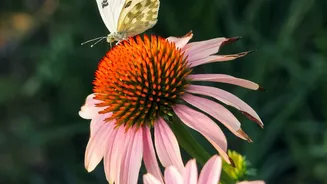
To attract butterflies, you need to offer a menu of both nectar plants for adults and host plants for their caterpillars. Zinnias, with their vibrant, daisy-like flowers, are a fantastic nectar source and easy to grow from seed in sunny spots. Pentas are another powerhouse, producing clusters of star-shaped flowers that butterflies find irresistible. Hibiscus (Gudhal) not only adds a tropical flair but its large, colourful flowers attract both butterflies and nectar-feeding birds. For a climbing option that provides beautiful coverage, consider the Butterfly Pea (Aparajita). Its deep blue flowers are a favourite, and it thrives in pots, happily twining around railings. A varied selection of flower shapes and colours will attract a wider diversity of these beautiful insects.
Inviting Your Feathered Neighbours
Birds are drawn to balconies that offer food, water, and shelter. Nectar-feeding birds like sunbirds are particularly attracted to bright, tubular flowers. Hibiscus is a top choice, as its blooms are a consistent source of nectar. The clustered, nectar-rich flowers of the Ixora shrub also reliably attract sunbirds. While flowers are key, some plants can offer a different kind of meal. The large heads of Sunflowers produce abundant seeds that sparrows and finches will gladly feast on once the flowers fade. Plants that attract insects, like Jasmine and Marigold, also create a food source for insect-eating birds. Finally, dense plants like Bougainvillea can provide birds with shelter from predators and a safe place to rest.
Beyond Plants: Essential Extras
Creating a true refuge involves more than just planting flowers. One of the most critical steps is to avoid chemical pesticides. These sprays can be harmful or lethal to the very creatures you're trying to attract, especially bees and butterflies. Opt for natural pest control methods like neem oil sprays or introducing beneficial insects. Water is just as vital as food. A shallow dish or saucer filled with fresh water and a few pebbles or stones for safe landing can be a lifesaver for birds and insects, particularly during hot weather. Finally, consider providing shelter. This can be as simple as planting dense foliage for birds to hide in or adding a 'bee hotel' to offer nesting spots for solitary bees.