








The Science Behind That 'Damp' Smell
The smell we associate with dampness isn’t from water itself. Instead, it’s the byproduct of tiny microorganisms at work. When moisture levels rise, especially above 50%, it creates the perfect breeding ground for mould and mildew. These fungi thrive
on organic materials found in our homes, like wood, paper-faced drywall, and natural fibres. As they grow and break down these materials, they release gases called microbial volatile organic compounds (MVOCs). It's these MVOCs that produce the characteristic musty or earthy odour. So, when you smell that damp scent, you're actually smelling the metabolic activity of mould. Think of it as an early warning system that hidden moisture is present.
How Different Materials Create Different Odours
Not all damp smells are the same, and the material affected plays a big role. Damp drywall or plaster might give off a subtle, earthy scent. When wood gets damp and starts to rot, it can produce a sharper, more pungent odour. Fabrics are a completely different story. Carpets, upholstery, and even clothes trapped in a humid wardrobe can absorb moisture from the air. This leads to a sour, stale smell, almost like clothes left in the washing machine for too long. That's because the moisture allows bacteria and mildew to flourish within the fibres, creating a smell that air fresheners can't easily mask.
Common Culprits and Hidden Hotspots
The source of dampness is often obvious during the heavy rains of the monsoon, but sometimes it’s more elusive. Persistent musty smells often point to hidden moisture problems. Common culprits include slow leaks from plumbing under sinks or behind walls, condensation forming on windows and pipes, and poor ventilation in bathrooms and kitchens. In India, walls and roofs can absorb rainwater, leading to damp patches that aren't immediately visible. Basements, attics, and even the space underneath flooring are prime locations for moisture to get trapped, allowing mould and odours to develop unnoticed.
Your Action Plan for a Fresher Home
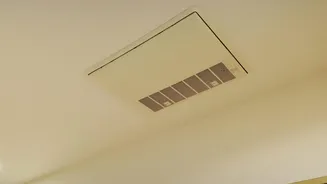
Getting rid of that musty smell requires tackling the root cause: excess moisture. Improving ventilation is the most effective first step. Open windows and doors whenever the weather is dry to allow fresh air to circulate and help damp surfaces dry out. Use exhaust fans in kitchens and bathrooms to expel moist air. For persistent humidity, especially during the monsoon, a dehumidifier can be a game-changer. You can also use natural moisture absorbers like bags of activated charcoal, silica gel pouches, or even chalk sticks in enclosed spaces like wardrobes and cabinets. Regularly check for and repair any leaks in your roof or plumbing to prevent water from seeping in.
Cleaning and Deodorising Affected Areas
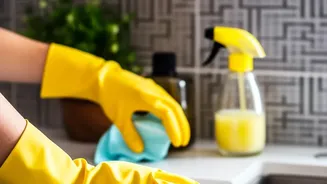
Once you've controlled the moisture, you can address the lingering smells. For washable items like clothes or curtains that have a musty odour, washing them with a cup of white vinegar can help neutralise the smell. For surfaces like walls or inside cupboards, clean away any visible mould with a suitable cleaning solution. Regularly wiping down areas prone to dampness, like window sills and bathroom corners, can prevent mould from taking hold. Placing bowls of baking soda or activated charcoal in a room can help absorb any remaining odours from the air. Remember to also air out carpets and rugs, as they can hold a lot of moisture and contribute to the smell.