



Start with Destination Diligence
Before you even think about packing, the first step is a thorough background check on your chosen destination. The allure of misty mountains can quickly fade when faced with a landslide. Certain regions, particularly in the Himalayas and the Western Ghats,
are highly susceptible to landslides and road blockages during heavy rains. Research the area's history during previous monsoons. Have there been frequent road closures? Is it known for flash floods? Official government advisories are a crucial resource. The National Disaster Management Authority (NDMA) and State Disaster Management Authorities (SDMA) often issue guidelines and warnings for vulnerable areas. Some areas like parts of Himachal Pradesh, Uttarakhand, and Kerala require extra caution during peak monsoon months. Postponing a trip to a high-risk zone during a red or orange alert is not a sign of defeat; it's a mark of a smart traveller.
Leverage Technology for Real-Time Updates
Gone are the days of guessing road conditions. Today, a wealth of real-time information is at your fingertips. Before and during your trip, make it a habit to check multiple sources. The India Meteorological Department (IMD) provides district-level weather forecasts that are far more useful than state-wide predictions. For road conditions, navigation apps like Mappls and Roadly are designed for Indian highways, offering alerts on traffic, road closures, and even potholes. Social media has also become an invaluable tool; local traffic police departments often post live updates on their Twitter or Facebook pages about waterlogging and diversions. Also, check satellite imagery sources like ISRO's Bhuvan portal, which provides flood hazard maps and can show you if an area is historically prone to inundation. Don't rely on a single source; a combination of official forecasts and crowdsourced traffic data will give you the most accurate picture.
Your Vehicle: The First Line of Defence
Your car must be in peak condition to handle the challenges of monsoon driving. Wet roads significantly increase braking distances and the risk of skidding. Your pre-trip vehicle check is non-negotiable. Start with the tyres; they are your only contact with the road. Ensure they have adequate tread depth to avoid hydroplaning. Your brakes should be sharp and responsive—a spongy feel is a major red flag. Wipers that streak or chatter are a safety hazard, not a minor annoyance; replace them if they aren't clearing the windscreen perfectly. Check all your lights: headlights, fog lamps, and especially brake lights, which are critical for being seen by others in low visibility. Finally, make sure your air conditioning and defogger are working correctly to prevent the windscreen from fogging up from the inside.
The On-Road Monsoon Mindset
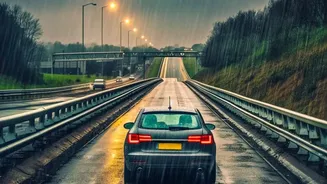
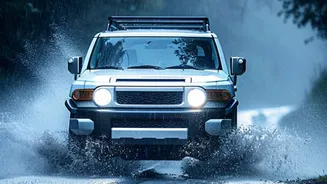
Once you are on the road, a different set of rules applies. The most important is to slow down. Your usual driving speed is too fast for wet conditions. Maintain a much greater distance from the vehicle in front of you. One of the biggest dangers is waterlogged roads. It is impossible to judge the depth of standing water, which can hide deep potholes or even open drains. If you encounter a flooded street, the safest action is always to turn around and find an alternate route. Never attempt to drive through fast-moving water. If visibility becomes dangerously low due to heavy rain or fog, it's safer to pull over at a protected spot and wait for the weather to improve. Avoid driving in hilly areas at night, as the risk of unseen debris or landslides is much higher.
Pack an Emergency and Comfort Kit
Your packing list for a monsoon trip should extend beyond clothes. A well-stocked emergency kit can be a lifesaver if you get stranded. This should include a comprehensive first-aid kit, a powerful torch with extra batteries, jumper cables, and a basic tool kit. Pack non-perishable snacks and sufficient drinking water. A fully charged power bank for your phone is essential for staying connected. Also, keep all important documents, electronics, and medicines in waterproof bags or pouches. A few microfibre cloths are incredibly useful for wiping down a foggy windshield or wet surfaces inside the car. Having these items readily accessible provides peace of mind and ensures you are prepared for unexpected delays.