

Choose Your Perfect Mint
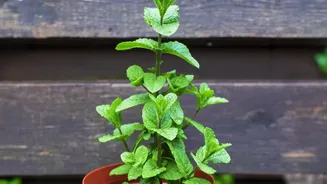
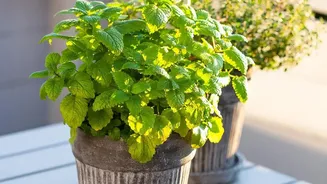
Not all mint is created equal. While there are hundreds of varieties, a few are perfect for indoor pots. Spearmint is a classic choice, with a sweet, bright flavour ideal for drinks and salads. Peppermint offers a more intense, menthol-packed taste, great
for teas. For something more adventurous, consider Chocolate Mint, which has dark stems and a subtle cocoa aroma, or Pineapple Mint, with its beautiful variegated leaves and fruity notes. Moroccan mint is another excellent option, prized for making traditional tea. Starting with a cutting from an existing plant is often easier and faster than growing from seed. Simply place a healthy 5-inch stem in a glass of water, and you should see roots in about a week.
The Right Pot and Soil
Mint is an energetic grower, so giving it space is key. Its roots like to spread sideways, so choose a pot that is wide rather than just deep. A container at least 8-10 inches in diameter is a great starting point to prevent the plant from becoming root-bound too quickly. Drainage is non-negotiable; ensure your pot has plenty of holes at the bottom to prevent waterlogging, which can lead to root rot, one of the most common killers of indoor mint. Use a good-quality, well-draining potting mix. Mint isn't overly fussy, but a standard mix amended with a bit of perlite for extra drainage will keep it happy. Avoid using heavy garden soil, which compacts easily and can introduce pests.
Light and Water Essentials
Light is the most critical factor for healthy indoor herbs. Mint thrives on bright, indirect light and needs at least 4-6 hours of sun per day to stay lush and flavourful. A south-facing windowsill is ideal, but an east or west-facing window can also work well. If your plant starts to look pale and 'leggy' (with long, sparse stems), it's a clear sign it's starving for more light. When it comes to water, consistency is key. Mint prefers its soil to be consistently moist but never soggy. A good rule of thumb is to water thoroughly whenever the top inch of soil feels dry to the touch. Plastic or glazed pots are often better choices than terracotta for mint, as they retain moisture longer.
How to Prune for a Bushy Plant
Regular pruning is the secret to a full, bushy mint plant. If left alone, mint tends to grow long, sparse stems. Pruning encourages it to branch out and produce more leaves. Once your plant is about 6-8 inches tall, you can start. Don't just pluck individual leaves. Instead, use clean scissors to snip off the top portions of the stems, always cutting just above a set of leaves. This encourages the two shoots waiting at that junction to grow, effectively doubling the foliage on that stem. A regular trim every few weeks will keep your plant productive and compact. Never remove more than one-third of the plant at a time to ensure it stays healthy.
Harvesting and Troubleshooting
The best part of growing mint is harvesting it. For the most intense flavour, harvest leaves in the morning, just before the plant begins to flower. You can pick leaves as needed or do a larger prune-harvest every month or so. Even with the best care, you might run into issues. Yellowing lower leaves can signal overwatering or a nitrogen deficiency. Small orange spots on the undersides of leaves indicate mint rust, a fungal disease often caused by overly humid conditions and poor air circulation. Pests like spider mites can also appear, especially in dry indoor air. To prevent these problems, ensure good airflow around your plant, water the soil directly rather than the leaves, and don't overcrowd the pot.