




What is a Rain-Shadow Region?
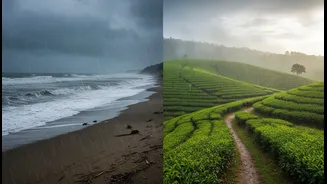
The concept is simple geography, but the experience is pure magic. When moisture-laden monsoon clouds encounter a mountain range, like India's Western Ghats or the mighty Himalayas, they are forced to rise. As they ascend, the clouds cool and release
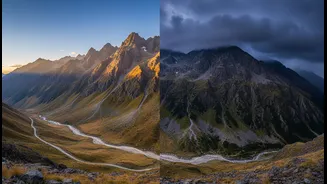
all their rain on one side—the windward side. By the time the air mass crosses the peaks and descends on the other side (the leeward side), it has lost most of its moisture. This creates a dry, often sunny, 'rain shadow'. So while one side of the mountain is drenched, the other remains surprisingly arid, offering a perfect escape for those looking to dodge the deluge.
The Allure of a Dry Monsoon Break
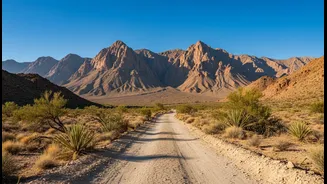
The appeal goes beyond simply staying dry. For many city dwellers, the monsoon means traffic jams, cancelled plans, and a persistent dampness. Rain-shadow travel offers a complete sensory shift. Instead of lush, wet greenery, travellers discover stark, beautiful landscapes of ochre and brown, dramatic rock formations, and vast, open skies. This trend reflects a broader shift in Indian tourism, where travellers are increasingly seeking unique, experience-led holidays over conventional sightseeing. The monsoon, once considered an off-season, is now seen as an opportunity to explore a different facet of the country, leading to a surge in bookings for destinations that offer a respite from the rain.
Spotlight: The Himalayan Highs
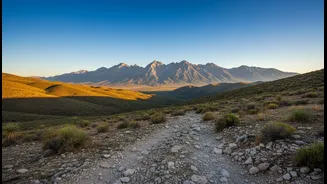
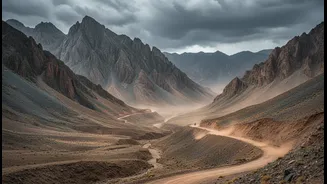
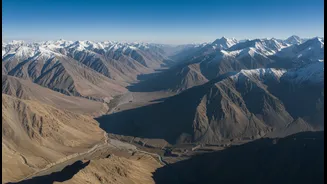
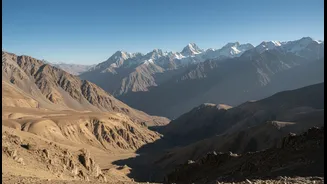
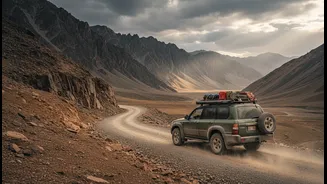
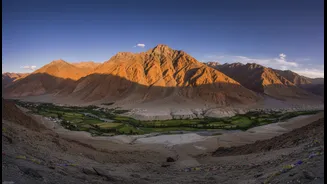
The most dramatic examples of rain-shadow destinations are Ladakh and Spiti Valley in the Himalayas. Shielded by the towering Himalayan ranges, these high-altitude cold deserts remain dry, sunny, and accessible throughout the monsoon months, which is actually their peak tourist season. While the rest of India experiences heavy rainfall, travellers here can enjoy clear blue skies, breathtaking mountain vistas, and thrilling road trips. These regions attract a mix of adventure seekers, photographers, and spiritual travellers drawn to the ancient monasteries and stark, lunar-like landscapes. It’s a surreal experience to be in a dry, sunlit paradise while knowing the rest of the country is drenched.
Spotlight: The Deccan Escape
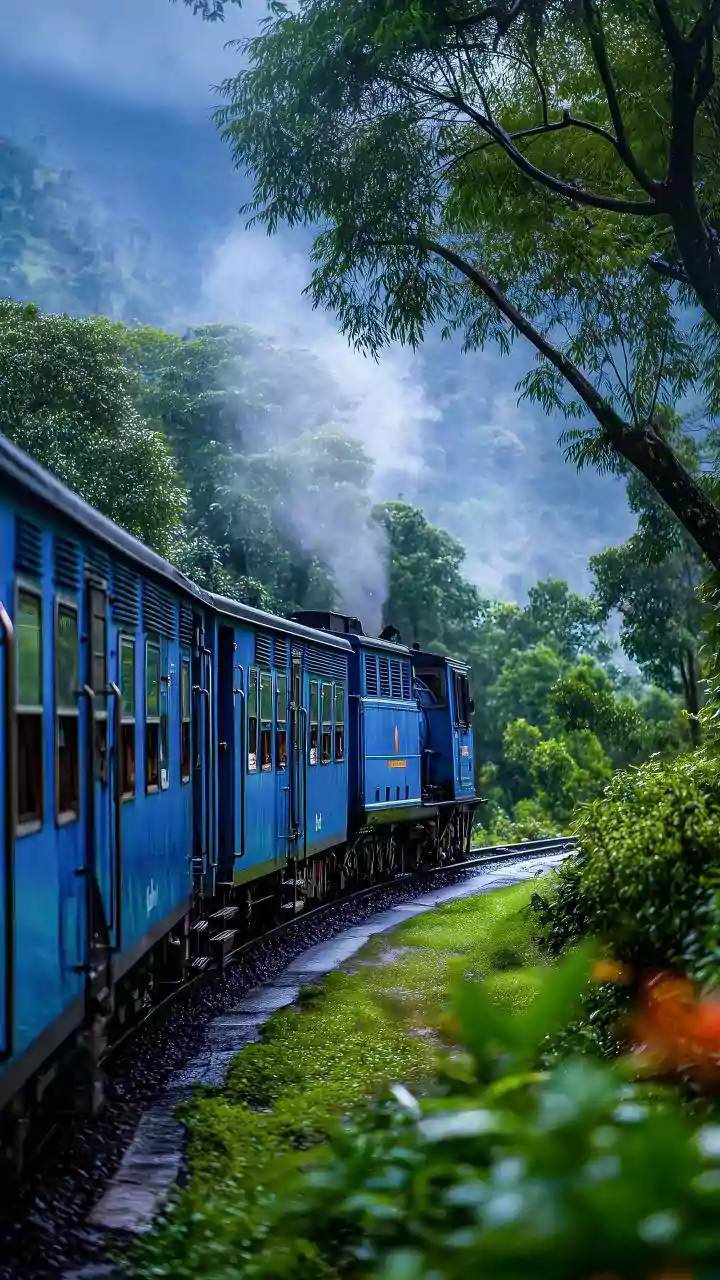
You don't have to go all the way to the Himalayas for a dry escape. The eastern side of the Western Ghats creates a significant rain-shadow zone across the Deccan Plateau. This makes parts of Tamil Nadu, Andhra Pradesh, and interior Karnataka ideal for a monsoon break. Tamil Nadu's hill stations, for instance, receive much gentler rainfall compared to their counterparts in Kerala and Maharashtra. This allows for exploration of tea estates and scenic viewpoints without the constant downpour. Further inland, heritage sites like Hampi in Karnataka, with its boulder-strewn landscape, offer a unique and relatively dry experience, allowing for comfortable exploration of its ancient ruins.
A Trend Driven by a New Indian Traveller
This growing preference for rain-shadow travel highlights a structural shift in domestic tourism. Indians are no longer limiting their holidays to the traditional summer and winter peaks. Travel platforms and hotel groups report a significant year-on-year increase in monsoon season bookings, with travellers actively seeking out nature-based and offbeat experiences. This boom is transforming the once-quiet monsoon months into a bustling travel period. It signals the rise of a more discerning traveller—one who is not just following a calendar, but is chasing a specific experience, even if it means driving towards the sun when everyone else is expecting rain.