


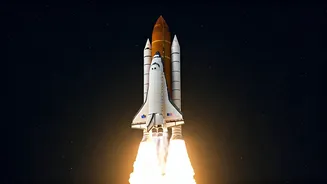


The Core Philosophy: Safety Above All
When sending humans 400 kilometres into orbit, there is no margin for error. [6, 25] The core principle behind the Gaganyaan programme is to master every potential failure scenario on the ground before ever attempting a crewed launch. [24] ISRO Chairman
S. Somanath has emphasised the need for extreme caution to ensure crew safety. [24] This methodical approach involves a series of demonstrator missions to prove the reliability of every single component, from the launch vehicle to the crew's escape mechanism. [26] It's a philosophy of testing, re-testing, and proving every system to be as close to perfect as possible, because when human lives are at stake, 'good enough' isn't good enough.
The Escape Plan: Abort Tests
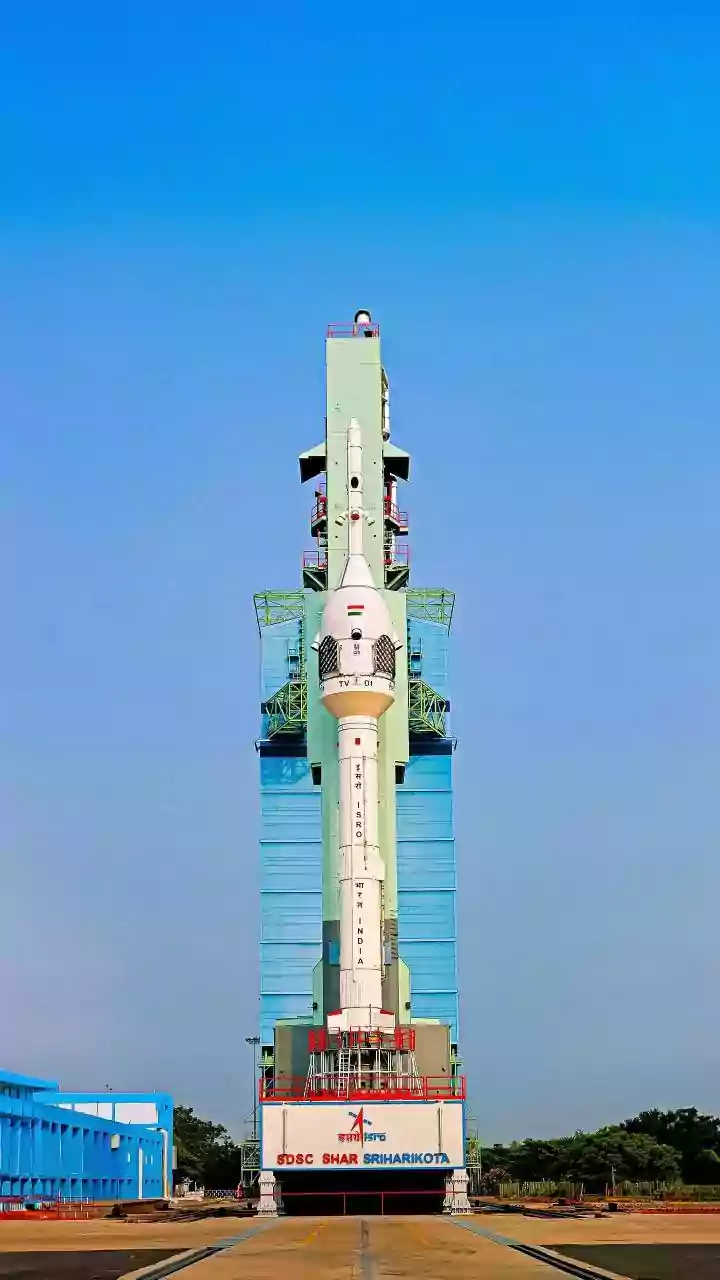
Imagine a worst-case scenario: the rocket malfunctions on the launchpad or moments after liftoff. The Crew Escape System (CES) is the astronauts' high-tech ejection seat. [8, 13] This system has undergone multiple validations. The Pad Abort Test (PAT), successfully conducted in 2018, demonstrated the CES's ability to pull the crew module away from the launcher in an emergency on the ground. [1, 8] The more complex In-flight Abort Test, like the TV-D1 mission in October 2023, proved the system works at high altitude and transonic speeds (around 1.2 times the speed of sound). [9, 14] During this test, the CES successfully separated the module from the test vehicle at an altitude of about 17 km and brought it to a safe splashdown in the sea. [19] These tests are non-negotiable; they validate the single most important safety feature of the mission. [14]
The Rocket: Creating a 'Human-Rated' Vehicle
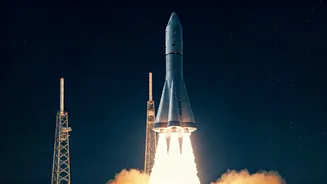
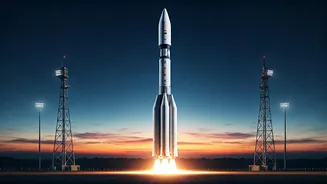
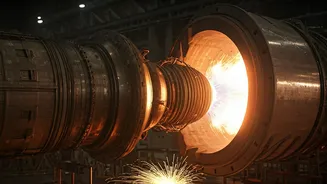
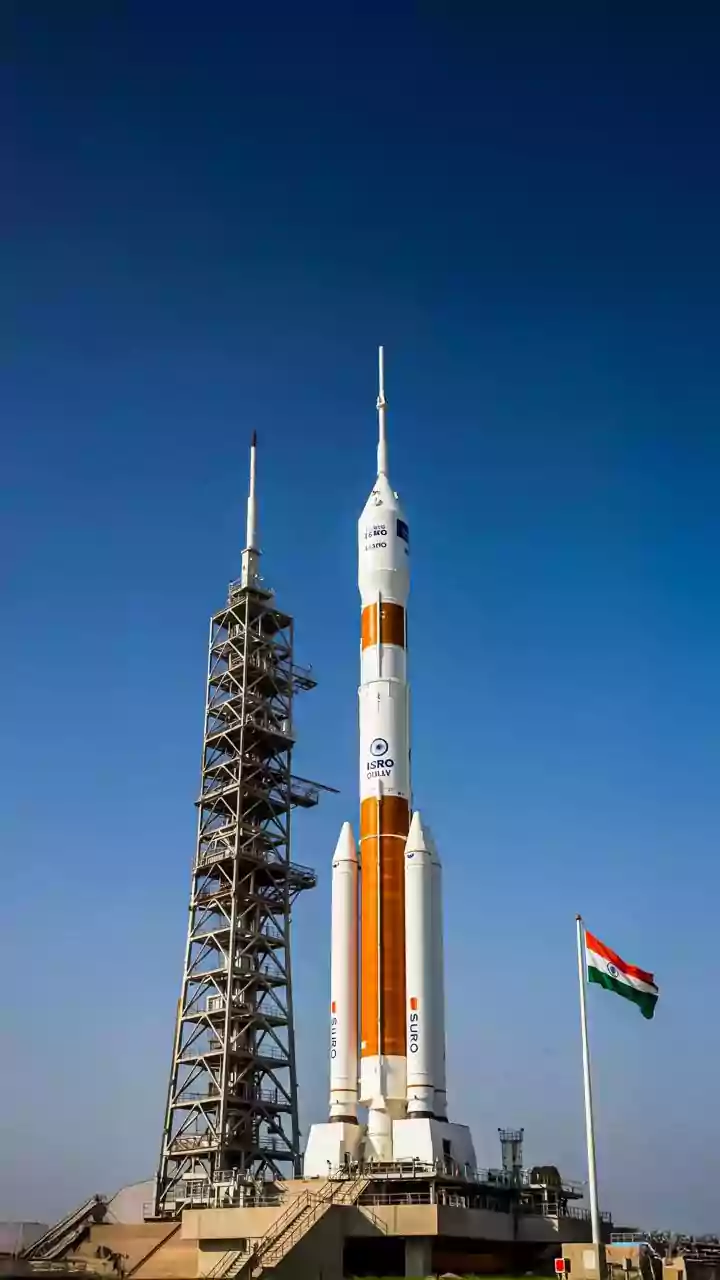
The Launch Vehicle Mark-3 (LVM3) is ISRO's heavy-lift workhorse, but launching people requires an upgrade. [16] The rocket must be 'human-rated', which means its systems are redesigned with higher levels of reliability and redundancy to guarantee astronaut safety. [10, 15] ISRO has completed the human-rating of the LVM3, including exhaustive ground qualification tests of its powerful CE20 cryogenic engine. [10, 18] These tests simulate flight conditions and assess performance under both normal and off-nominal scenarios, ensuring the engine is robust. [10] The Human-Rated LVM3 (HLVM3) is now practically ready, a testament to the meticulous engineering needed to build a transportation system worthy of carrying a human crew. [12, 18]
The Full Dress Rehearsal: Uncrewed Flights
Before astronauts climb aboard, ISRO will conduct a series of uncrewed flights, serving as full dress rehearsals for the main event. [20, 23] The first of these, the Gaganyaan-1 (G1) mission, is planned for the latter half of 2026. [7, 11] Instead of a human crew, these flights will carry a humanoid robot named 'Vyommitra' to simulate the presence of an astronaut and test all life-support and environmental control systems. [7, 23] These missions will test the entire sequence from launch and orbital manoeuvres to re-entry and recovery of the crew module. [23] They are the ultimate end-to-end validation, proving that all the individual systems, from the rocket to ground control, can work together seamlessly to complete a full mission profile safely. [19] Only after these uncrewed flights are successfully completed will ISRO proceed with the first crewed launch. [20, 29]