



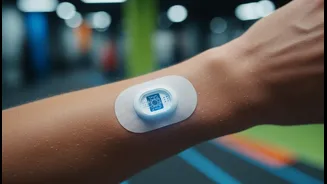




What is a Continuous Glucose Monitor?
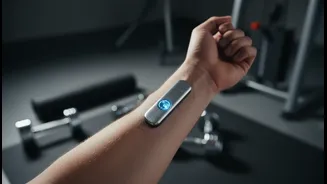
A continuous glucose monitor, or CGM, is a wearable device that tracks your glucose (sugar) levels around the clock. It uses a tiny, flexible sensor inserted just under the skin, typically on the back of the arm, to measure glucose in the fluid between
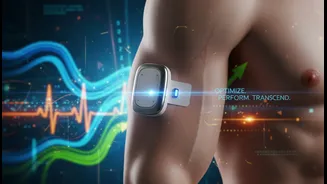
your cells. This sensor sends real-time data to a smartphone app, providing a constant stream of information about how your body is responding to food, exercise, stress, and sleep. Unlike a traditional finger-prick test which gives a single snapshot, a CGM paints a detailed, dynamic picture of your metabolic health. Historically a tool for diabetes management, companies like Nutrisense, Levels, and HealthifyMe are now marketing these devices to a broader wellness audience.
The Quest for Peak Athletic Performance
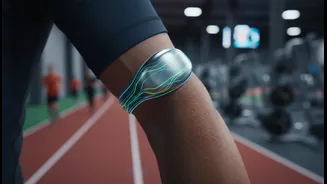
For many fitness enthusiasts, the primary motivation is simple: better performance. Athletes have long known that managing energy is key to endurance. A CGM offers a window into how the body uses fuel. By monitoring glucose levels in real-time, an athlete can see if they are properly fuelled before a workout, avoid the dreaded energy crash or 'bonk' during a long run or ride, and optimise their post-workout recovery. The goal is to maintain stable glucose levels, preventing sharp spikes and drops that can lead to fatigue and diminished output. This data allows for highly personalised fuelling strategies, helping athletes understand exactly how much and when to take in carbohydrates for optimal performance.
Personalising Nutrition, Bite by Bite
Beyond the gym, CGMs are being adopted as a powerful tool for personalised nutrition. General dietary advice is often a one-size-fits-all approach, but individual responses to food can vary dramatically. A CGM provides immediate, objective feedback on how your body metabolises specific meals. That seemingly 'healthy' bowl of oatmeal might be causing a surprisingly large glucose spike, while another food you considered less healthy might have a minimal impact. This real-time biofeedback can be a powerful motivator for behavioural change, encouraging users to make healthier dietary choices based on their own unique data rather than generic guidelines. Users report discovering how stress, not just food, can elevate glucose levels, or how poor sleep affects their metabolic response the next day.
A Budget for Bio-Hacking
This level of personalised data comes at a price, which is why it's becoming a line item in wellness budgets. In India, a single CGM sensor, which typically lasts for 14 days, can cost anywhere from ₹4,000 to over ₹6,000. For example, Abbott's FreeStyle Libre sensor costs around ₹4,200 to ₹4,437. Some companies bundle these sensors with subscription services that include AI-driven insights and nutritionist support, with plans costing ₹6,000 or more. This means a user could be spending ₹8,000 to ₹12,000 per month for continuous tracking, a significant investment in personal health data.
What Do the Experts Say?
While the trend is growing, the medical community remains cautious. Most experts agree that CGMs can be educational and motivating. However, they stress that the scientific evidence supporting their widespread use in healthy, non-diabetic populations is still emerging and limited. There is no consensus on what an 'ideal' glucose curve looks like for a healthy individual, which can lead to data overload and unnecessary anxiety over normal fluctuations. A study published in the Journal of Diabetes Science and Technology found that even clinical experts show poor agreement when interpreting CGM reports from people without diabetes, highlighting the need for more research. Many endocrinologists argue that for most healthy people, the devices don't add significant clinical value and are not a substitute for foundational health habits like a balanced diet and regular exercise.