



What Exactly Is a Solid-State Battery?
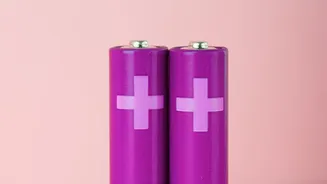
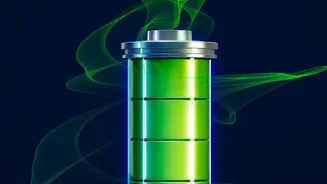
Think of a standard electric scooter battery today, which is almost certainly a lithium-ion battery. It works by using a liquid or gel, called an electrolyte, to shuttle energy-carrying ions back and forth. It's a proven technology, but that flammable
liquid is its biggest weakness. A solid-state battery, as the name implies, replaces this flammable liquid with a solid material, often a thin layer of ceramic or a specialized polymer. This single, fundamental change unlocks a cascade of benefits, moving the technology from a simple power source to a complete re-imagining of what a scooter battery can be. It’s not just an upgrade; it’s a foundational shift that enhances safety, performance, and longevity all at once.
The Safety Revolution We Need
Battery fires have been a persistent dark cloud over the electric vehicle industry. The culprit is almost always the flammable liquid electrolyte in lithium-ion batteries. If a battery is punctured, overheats, or otherwise damaged, it can lead to a dangerous chain reaction called 'thermal runaway,' where the battery catches fire. Solid-state batteries virtually eliminate this risk. Their solid electrolyte is non-flammable and far more stable, even at high temperatures. This inherent safety has a direct impact on cost. Manufacturers can simplify their battery pack designs, removing the bulky, complex, and expensive cooling and safety systems currently required to prevent overheating. This makes the entire battery pack not only safer but also lighter and ultimately cheaper to build.
How Safer Tech Lowers Scooter Costs
While solid-state batteries are currently more expensive to produce at a small scale, their path to reducing overall scooter costs is clear. The first saving comes from the simplified pack design mentioned above. Fewer safety components mean lower material and assembly costs for the manufacturer. The second, and more significant, saving for the consumer comes from longevity. Solid-state batteries can endure far more charge-and-discharge cycles than their lithium-ion counterparts—potentially double the lifespan or more. This drastically reduces the total cost of ownership, as the most expensive component of the scooter won't need to be replaced as often. Finally, the higher energy density means manufacturers can use smaller, lighter batteries to achieve the same range, further cutting down on material costs.
More Kilometres, Less Charging Time
Beyond safety and cost, solid-state technology promises a vastly improved riding experience. Because they can pack more energy into the same physical space, these batteries can potentially double a scooter's range. A scooter that gets 100 km today could achieve 200 km with a solid-state battery of the same size. This all but eliminates range anxiety for most daily commuters. Furthermore, charging speeds are set to be dramatically faster. The stable, solid structure can handle much higher electrical currents without degrading. A full charge that currently takes hours could be completed in under 30 minutes, making a quick top-up during a lunch break a realistic possibility.
When Can We Expect Them in India?
Solid-state batteries are no longer just a laboratory concept. The first production models are beginning to appear in high-end electric motorcycles in 2026. For the mainstream electric scooter market, the transition will be gradual. Premium scooter models are expected to offer solid-state options as early as 2027 or 2028, initially at a higher price point. As manufacturing scales up and costs come down, the technology is expected to become the standard for mid-range scooters around 2029-2030. India is also making strides in this area, with companies like Vikram Solar announcing plans for large-scale, indigenous solid-state battery manufacturing facilities. This push for 'Atmanirbharta' (self-reliance) in battery tech could accelerate adoption and help stabilise supply chains for Indian EV makers.