




From Niche Fuel to Mainstream Munchie
The perception of protein in India is undergoing a dramatic transformation. Once viewed primarily as a supplement for muscle gain, it's now being embraced by the mainstream as a cornerstone of overall health and wellness. The India protein market is projected
to expand significantly, reaching an estimated USD 2.22 billion by 2031. This growth isn't just happening in gyms. It's driven by everyday consumers—busy professionals, health-conscious parents, and young urbanites—looking for convenient, nutritious options. One leading quick commerce platform reported a 150% surge in protein-related orders over the past two years, signalling a fundamental change in national consumption habits. This shift is moving protein from a specialized, gym-centric niche to a dietary priority for the general population.
The New Health-Conscious Indian Consumer
Driving this trend is a new wave of Indian consumers. They are more urban, have higher disposable incomes, and are acutely aware of the link between diet and long-term health. Growing health consciousness, accelerated by the pandemic, has led people to proactively seek out preventive healthcare solutions. This consumer is intentional, reading labels and prioritizing functionality and transparency in their food choices. They are not just buying a snack; they are investing in their well-being. This awareness is spreading beyond major metros like Bengaluru, with Tier-II cities such as Jaipur, Nagpur, and Guwahati showing even faster growth in protein consumption, highlighting a nationwide move toward healthier eating.
A Crowded and Innovative Marketplace
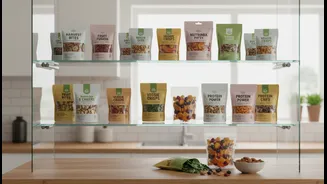
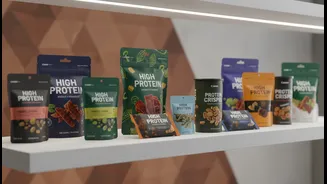
In response to this demand, the market has exploded with options. The protein bar market in India, valued at USD 130.2 million in 2025, is a testament to this growth. Brands like MuscleBlaze, The Whole Truth, and Yoga Bar, once found only in specialty stores, are now widely available. These companies are joined by FMCG giants and a host of agile startups, all vying for a share of the consumer's wallet. Innovation is key, with products ranging from high-protein bars and wafers to protein-fortified versions of traditional foods like dosa batter. The focus is on clean labels, natural ingredients, and, crucially, flavours that appeal to the Indian palate.
Reimagining Taste and Tradition
For protein snacks to truly go mainstream, they had to overcome a significant hurdle: taste. Early products were often criticized for having an artificial or unappealing taste. Today's brands have invested heavily in research and development to create products that are both nutritious and delicious. They are also cleverly positioning themselves against traditional, often unhealthy, snacks. While staples like paneer and eggs still dominate India's protein consumption, newer formats like Greek yogurt, protein milkshakes, and even protein wafers are gaining significant traction. This indicates a willingness among consumers to supplement or replace traditional snack items with modern, functional alternatives.
Hurdles on the Path to Dominance
Despite the explosive growth, the path forward is not without challenges. Cost remains a major barrier for a large segment of the population. Protein-rich snacks are often significantly more expensive than their traditional counterparts. Furthermore, there's a deep-seated cultural preference for carb-heavy diets, and a persistent lack of awareness about the quality and sources of protein. While overall protein intake is rising, a large portion still comes from lower-quality sources like cereals. For the market to sustain its growth, companies will need to continue educating consumers about the benefits of high-quality protein while also finding ways to make their products more affordable and accessible.