









Hollywood’s Hero-Monster Machine
For decades, the blockbuster formula for epic tales has been straightforward: a clear hero faces a monstrous, often non-human, villain. Think of countless mythological adventures where sculpted heroes battle computer-generated beasts. The conflict is
external, the morality is binary, and the goal is simple: slay the monster, save the day. This formula is reliable and often visually spectacular, but it can lack the psychological and moral depth that defines the world's most enduring stories. The villains are obstacles, not characters; their destruction is a foregone conclusion, rarely inviting empathy or complex consideration. This approach prioritizes spectacle over substance, reducing ancient myths to a series of action set-pieces rather than exploring the thorny human questions they originally posed.
The Original Complicated Hero
Homer's Odysseus is anything but a straightforward hero. He is defined by the Greek word polytropos—a man of many twists and turns. While he is a brave warrior and a king desperate to return home, he is also a masterful liar, a cunning trickster, and a man whose arrogance, or hubris, often brings disaster upon himself and his crew. His journey is littered with morally questionable decisions, from sacrificing his men when convenient to his brutal, all-encompassing revenge on Penelope's suitors. The monsters he faces, like the Cyclops Polyphemus, are often provoked by his own curiosity and greed. The Odyssey is not a simple story of good versus evil; it's a deep, often dark, exploration of a man's flawed character and his struggle to overcome not just external forces, but his own worst impulses.
The Nolan Touch: Complexity as Spectacle
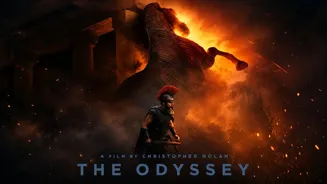
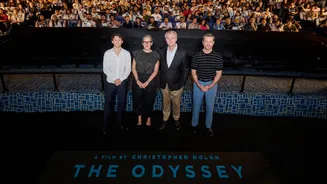
Enter Christopher Nolan, a director whose entire career has been built on challenging audiences with narrative complexity and morally grey protagonists. From the memory-shattered quest of Memento to the dream-heisting thieves of Inception and the tortured conscience of J. Robert Oppenheimer, Nolan excels at making internal conflict as thrilling as any external battle. His films are puzzles that respect the audience's intelligence, using non-linear timelines, layered narratives, and existential themes to create a profound sense of immersion. Nolan has expressed that The Odyssey represents a foundational text for him, combining elements of horror, romance, and thriller that have appeared in his own films for years. By applying his signature style to this ancient epic, he has the opportunity to shift the focus from Odysseus the monster-slayer to Odysseus the deeply troubled survivor, liar, and husband.
A Different Kind of Monster
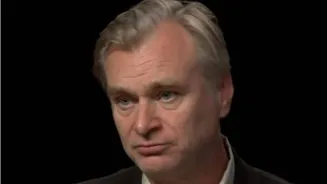
A Nolan-directed Odyssey suggests a rethinking of the term "monster." Instead of just CGI creatures, the antagonists could be presented with perspective and psychological weight. The Sirens' song might be less a magical curse and more a powerful psychological temptation, preying on the specific regrets and desires of Odysseus and his crew. The Cyclops could be more than a lumbering beast; he could be a territorial primitive whose brutality is a reaction to the violation of his home. Nolan, known for his preference for practical effects and realistic interpretations, seems poised to ground these mythological elements. In a recent interview, he mentioned that a middle-aged perspective brings themes of love and loss to the forefront, suggesting the real monsters might be grief, trauma, and the moral compromises of a long war. Matt Damon, who stars as Odysseus, has noted the film is "so many stories in one," allowing for viewer interpretation of it as a war story, a love story, or something else entirely.