



Hanle, Ladakh: India's Dark Sky Sanctuary
For the most dedicated astronomy enthusiasts, there is no place in India quite like Hanle in Ladakh. Situated at a breathtaking altitude of over 4,500 metres, Hanle is home to India's first official Dark Sky Reserve. This designation isn't just for show;
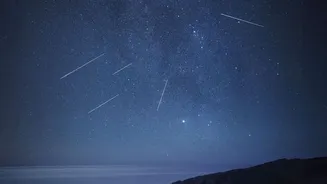
it's a commitment to preserving the pristine, light-pollution-free skies that make this region a global hotspot for astronomy. The high altitude, dry air, and near-zero light pollution mean the visibility is exceptional, allowing you to see the Milky Way with the naked eye. For the 2026 Perseids, the new moon on August 12th makes Hanle an unparalleled viewing location. Local communities have been trained as 'Astronomy Ambassadors' to guide visitors, making it a supportive and immersive experience. Remember to acclimatise properly in Leh for at least 48 hours before heading to Hanle's high-altitude environment.
Spiti Valley, Himachal Pradesh: A High-Altitude Desert Canvas
Spiti Valley in Himachal Pradesh is another premier destination for stargazers, often described as a high-altitude cold desert. Its remote villages like Kibber, Kaza, Langza, and Komic sit at elevations where the air is thin and dry, offering crystal-clear views of the cosmos. The dramatic mountain landscapes provide a stunning backdrop for the celestial display. During the Perseid peak, the lack of city lights in these areas ensures that even faint meteors are visible. Villages like Langza, with its iconic Buddha statue, and Kibber, known for its expansive views, are particularly recommended. The valley is accessible between May and September, making an August trip for the meteor shower perfectly timed. Just a short drive away from the main towns of Kaza or Tabo can lead you to ideal dark spots for an unforgettable night.
Coorg, Karnataka: Stargazing in the Western Ghats
While the Himalayas offer high-altitude advantages, the Western Ghats in the south also provide excellent mountain skies. Coorg, or Kodagu, in Karnataka, is a prime example. Elevated between 900 and 1,500 metres, its southern valleys near the Brahmagiri foothills are remarkably dark, classified as Bortle 2, which is dark enough for the Milky Way to cast a faint shadow. While the peak monsoon can be a concern in August, a break in the clouds can reveal a stunning night sky. Locations like Tadiandamol, the highest peak in the district, and the areas around Srimangala and Kutta offer minimal light pollution. Several resorts and homestays in the area even offer guided stargazing sessions, sometimes with telescopes, providing a comfortable way to enjoy the celestial show.
Tips for the Perfect Viewing Experience
No matter where you choose to go, a few tips can make your meteor shower viewing successful. First, you don't need a telescope; the naked eye is best for watching meteors as they can appear across a wide area of the sky. Find an open area away from direct sources of light and give your eyes at least 20-30 minutes to fully adjust to the darkness. Avoid looking at your phone, as the bright screen will ruin your night vision. Dress warmly, even in summer, as mountain nights can get cold. Finally, be patient. Meteors often come in spurts with lulls in between. The best viewing window is typically after midnight and into the pre-dawn hours, between 2 a.m. and 4:30 a.m. IST on August 13th.