





Why Monsoon Increases Health Risks
The magic of the monsoon—cooling rains and verdant landscapes—unfortunately comes with a few health-related caveats. Increased humidity, stagnant water, and sudden temperature changes create the perfect breeding ground for bacteria, viruses, and mosquitoes.
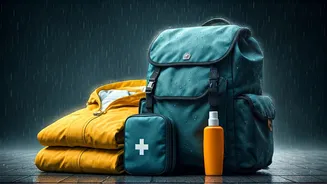
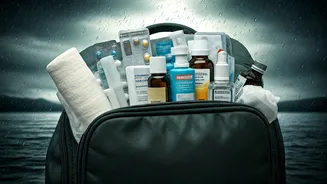
[2, 6] Water sources can become contaminated, leading to a rise in water-borne illnesses like typhoid, cholera, and gastroenteritis. [3, 7] At the same time, puddles and waterlogged areas become nurseries for mosquitoes, which transmit diseases such as malaria, dengue, and chikungunya. [2, 5] High moisture levels in the air also contribute to fungal infections and common colds. [9, 17] This is why being proactive with a tailored medical kit is crucial for a safe and enjoyable trip.
Stomach Saviours: For Digestive Wellness
Gastrointestinal issues are among the most common problems for travellers during the monsoon, often due to contaminated food and water. [5, 10] Your kit should absolutely include Oral Rehydration Salts (ORS) to combat dehydration from diarrhoea or vomiting. [8, 16] Also pack an anti-diarrhoeal medication like loperamide for immediate relief, especially on travel days. [12] For general stomach upset or indigestion from spicy food, antacids can be very helpful. [14] While it's best to avoid street food and raw vegetables, having these items on hand provides a necessary safety net. [4, 10]
Fever, Cold, and Pain Relief
Sudden downpours and temperature fluctuations can easily lead to viral fevers, the common cold, and body aches. [3, 5] A pain reliever and fever reducer like paracetamol or ibuprofen is a non-negotiable item in your kit. [16, 20] These are essential for managing symptoms like headaches, muscle pain, and fever. [11] Consider including throat lozenges or a basic cough syrup for sore throats and coughs, which are common during this season. [19] An antihistamine for allergies, which can flare up in the damp environment, is also a wise addition for tackling symptoms like a runny nose or itchy eyes. [12]
Wound Care and Skin Protection
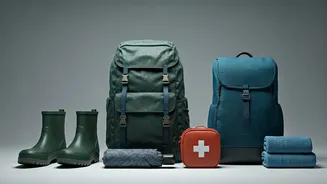
With wet and slippery surfaces, minor cuts and scrapes can happen easily. A basic first-aid setup is vital. [15, 20] Pack adhesive bandages of various sizes, sterile gauze, antiseptic wipes or solution, and medical tape. [8, 20] An antiseptic ointment is crucial for cleaning wounds to prevent infections, which can be more common in the humid climate. [19] Given the wet conditions, fungal skin infections are also a concern; carrying an antifungal powder or cream is a good preventive measure. [17] Finally, don't forget waterproof footwear to keep your feet dry and protected. [4]
Protection from Mosquitoes
Mosquitoes are more than just a nuisance during the monsoon; they are vectors for serious diseases like dengue, malaria, and chikungunya, which see a spike in cases during this time. [2, 7] Your primary line of defence is a strong insect repellent containing DEET or picaridin. [8, 16] Apply it to all exposed skin, especially during dawn and dusk when mosquitoes are most active. For extra protection, especially if staying in rural areas or budget accommodations, consider treating your clothes with permethrin spray and sleeping under a mosquito net. [4, 13] Wearing long-sleeved shirts and full-length trousers can also significantly reduce bites. [9]
Prescriptions and Other Essentials
Always carry any personal prescription medications in their original packaging, along with a copy of the prescription. [12, 16] It's wise to pack a few extra days' worth in case of travel delays. Other useful items to include are water purification tablets as a backup to bottled water, a reliable hand sanitiser for when soap and water aren't available, and a digital thermometer to monitor for fever. [9, 16] If you're prone to motion sickness on winding roads, be sure to pack medication for that as well. [12] Having these items readily accessible means you can handle minor issues swiftly without derailing your travel plans.