



The Allure of a Rain-Soaked Paradise
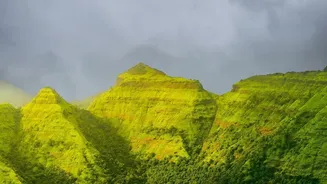
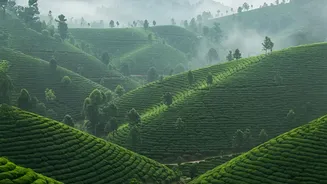
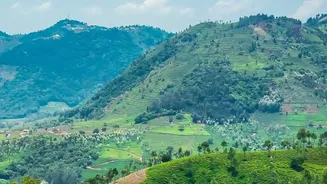
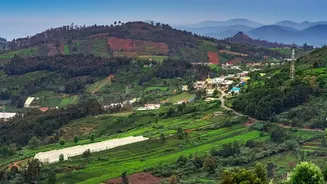
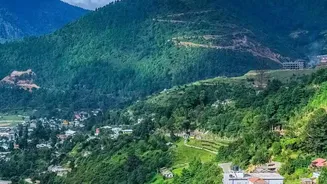
While many parts of India brace for the logistical hassles of the monsoon, Araku Valley transforms into a spectacle of nature. The season, stretching from July to October, turns the landscape into an intensely lush, emerald paradise. The air grows heavy
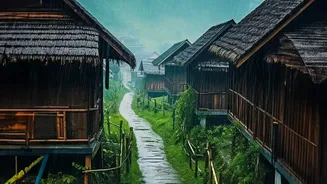
with the scent of wet earth and fresh coffee leaves, waterfalls like Chaparai and Katiki roar back to life, and a cool, misty veil drapes itself over the hills. This atmospheric beauty, once considered a deterrent to travel due to slippery roads and potential delays, is now the main attraction. For those tired of crowded tourist circuits, the monsoon offers a quieter, more introspective Araku, where the dominant sounds are the rhythm of the rain and the chirping of birds.
From Coffee Beans to Tranquil Retreats
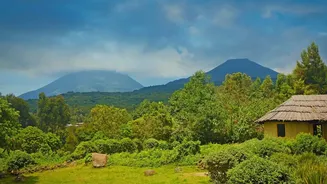
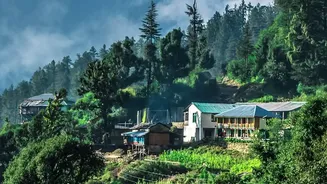
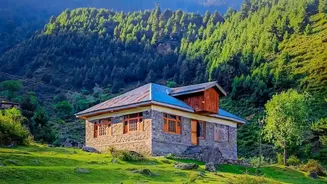
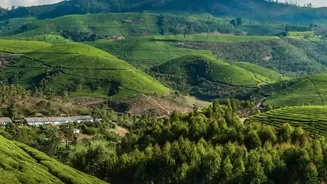
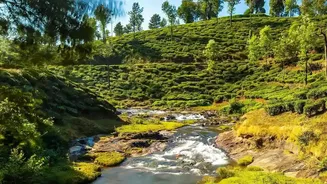
At the heart of this trend are the region’s sprawling coffee plantations. What started as a British-era experiment has blossomed into a thriving hub for high-quality, organic Araku Emerald coffee, cultivated by local tribal communities. Savvy entrepreneurs and eco-resort owners have tapped into the romance of these plantations, offering unique stays that range from rustic eco-friendly cottages to luxurious resorts nestled amidst the greenery. These plantation stays provide a serene environment far removed from urban chaos. Guests can wake up to panoramic valley views, wander through coffee estates, and learn about the bean-to-cup journey from the very people who cultivate it.
Redefining the 'Detox'
The word 'detox' in Araku isn't about punishing juice cleanses or strict medical regimens. It's a holistic reset for the mind and soul. The primary detoxification is digital; with spotty connectivity in many parts of the valley, guests are encouraged to disconnect from their devices and reconnect with their surroundings. The therapy is the clean, crisp mountain air, the calming green vistas, and the quiet solitude. Many resorts complement this with guided nature walks, birdwatching, yoga sessions, and farm-to-table dining featuring organic, locally-sourced produce. It's a cleanse from the noise, stress, and pollution of city life, allowing for genuine rest and rejuvenation. The focus is on mental wellness, offering a sanctuary to unwind and recharge.
Why the Sudden Surge?
This monsoon travel craze isn't accidental. It represents a larger shift in tourist preferences towards meaningful, sustainable, and off-beat experiences. The winter season in Araku can be crowded, with hotels and transport booked well in advance. The monsoon, traditionally the off-season, now appeals to travellers actively seeking peace and lower prices. Reports from recent years, even pre-2026, noted a growing trend of visitors braving the rains for the unique scenery. Furthermore, the rise of wellness tourism globally has prompted travellers to look for destinations that offer more than just sightseeing. Araku's blend of natural beauty, unique local culture, and focus on sustainable, organic practices makes it the perfect fit for the modern, mindful tourist.
Beyond the Plantation
While the plantation stays are the main draw, the valley offers more for the intrepid traveller. The journey itself, particularly the train ride from Visakhapatnam, is renowned for its scenic beauty, cutting through tunnels and offering stunning valley views. A visit to the million-year-old Borra Caves is a must, with their impressive stalactite and stalagmite formations. The Araku Tribal Museum offers insights into the rich cultural heritage of the region's indigenous communities. And for foodies, no trip is complete without sampling the famous 'bamboo chicken', a local delicacy cooked over open flames in a bamboo stalk, available from roadside stalls throughout the valley.