
A Taste of Something New
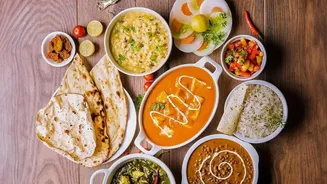
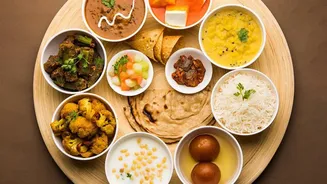
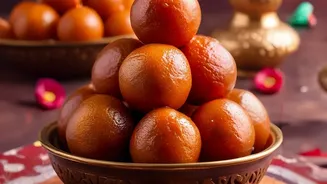
Think of a festive meal in India, and familiar comforts come to mind: the rich aroma of a slow-cooked korma, the crispiness of a freshly fried samosa, and the syrupy sweetness of gulab jamun. These are the tastes of celebration, passed down through generations.
But look closer at the tables of today, from bustling city restaurants to the dining rooms of adventurous home cooks, and you will see a subtle revolution underway. The contemporary festive spread is no longer just about preservation; it is about evolution. It tells a story of a culinary culture that is confident enough to borrow from the world while celebrating its own diverse roots. This new plate might feature a Tandoori Roast Chicken instead of a traditional turkey for Christmas, or a cheesecake infused with the flavours of Gulab Jamun for Diwali.
The Rise of Culinary Fusion
This trend is not about replacing beloved classics but about augmenting them with new ideas. Several factors are stirring this pot of innovation. Increased global travel, a generation of chefs trained in international kitchens, and the endless scroll of social media have exposed Indian palates to a world of flavours. The result is a playful curiosity that asks, 'What if?'. What if a classic British Shepherd's Pie was made with a robust Kashmiri Rogan Josh filling?. What if French croissants were filled with a sweet almond halwa?. These are no longer just hypothetical questions but dishes being served and celebrated. This fusion keeps the festive spirit intact while introducing exciting new tastes.
Hyper-Regional Meets Global
Perhaps the most exciting aspect of this trend is the simultaneous revival of hyper-regional Indian cuisines. As chefs and home cooks experiment with global ideas, they are also digging deeper into India's own culinary treasures. Forgotten recipes and local ingredients from states like Bengal, Kerala, and Punjab are finding their way back to the mainstream, often with a modern twist. Imagine a traditional South Indian green bean thoran served alongside garlic mashed potatoes at a holiday dinner. Or consider Masala Mashed Potatoes, where the humble side dish is transformed with a hint of cumin and turmeric. This approach honours the authenticity of regional flavours while presenting them in a fresh, contemporary context that appeals to a modern audience.
Sweet Endings, New Beginnings
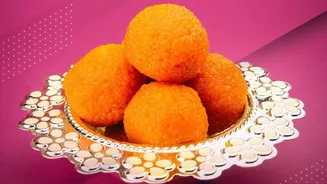
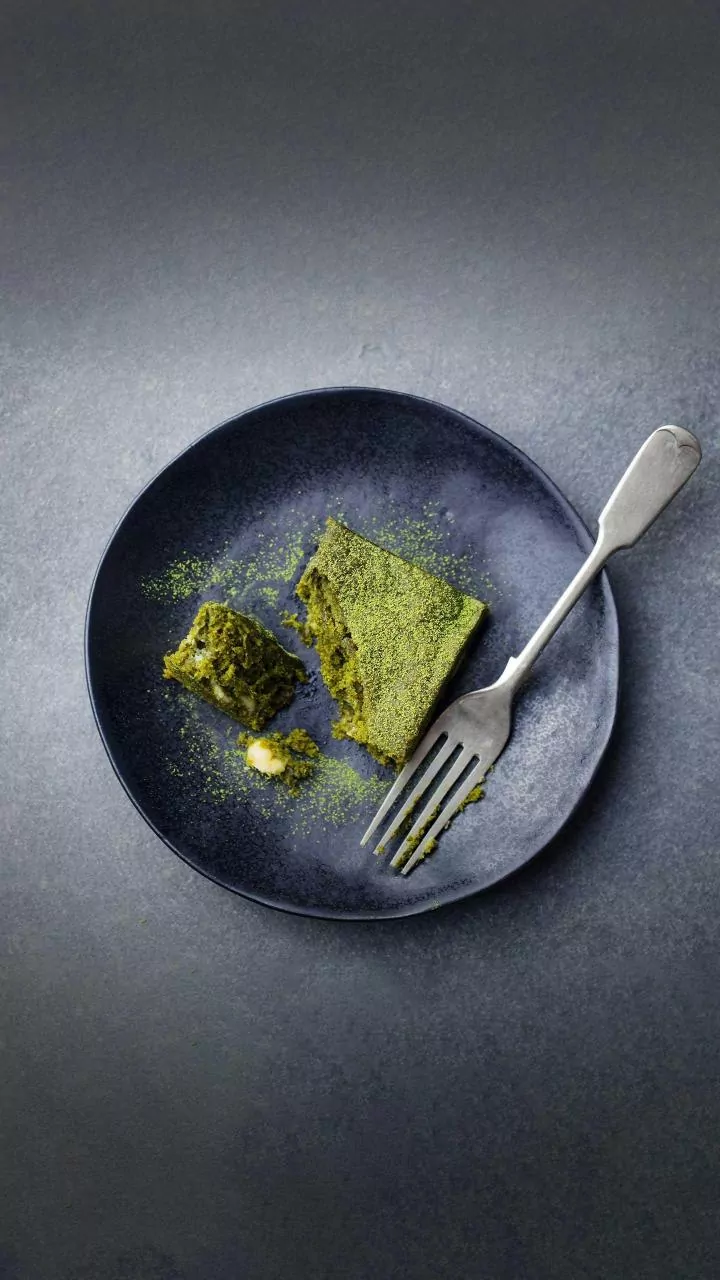
Nowhere is this trend more delightfully apparent than in the realm of desserts. Traditional Indian mithai, the heart and soul of any festival, is being reimagined in spectacular ways. Recipe developers and home bakers are creating stunning hybrids like Gulab Jamun Cheesecake, Sweet Potato Seviyaan Kheer, and Cranberry Coffee Cake Muffins with leftover festive chutney. A classic cheesecake might get an infusion of rasmalai flavour, or bite-sized coconut ladoos might be presented as elegant truffles. These creations are not just novelties; they are a testament to the versatility of Indian sweets, proving they can be adapted into new forms without losing their festive essence. The Fusion Diwali Malai Cake, which blends Indian rasmalai and Western sponge cake, is a perfect example of this delicious cultural exchange.