





The Perfect Storm of Peak Season
November marks the beginning of peak safari season across India for several reasons. Parks like Ranthambore, Corbett, Kanha, and Bandhavgarh reopen in October after the monsoon, and by November, the landscape is still lush but manageable. The weather
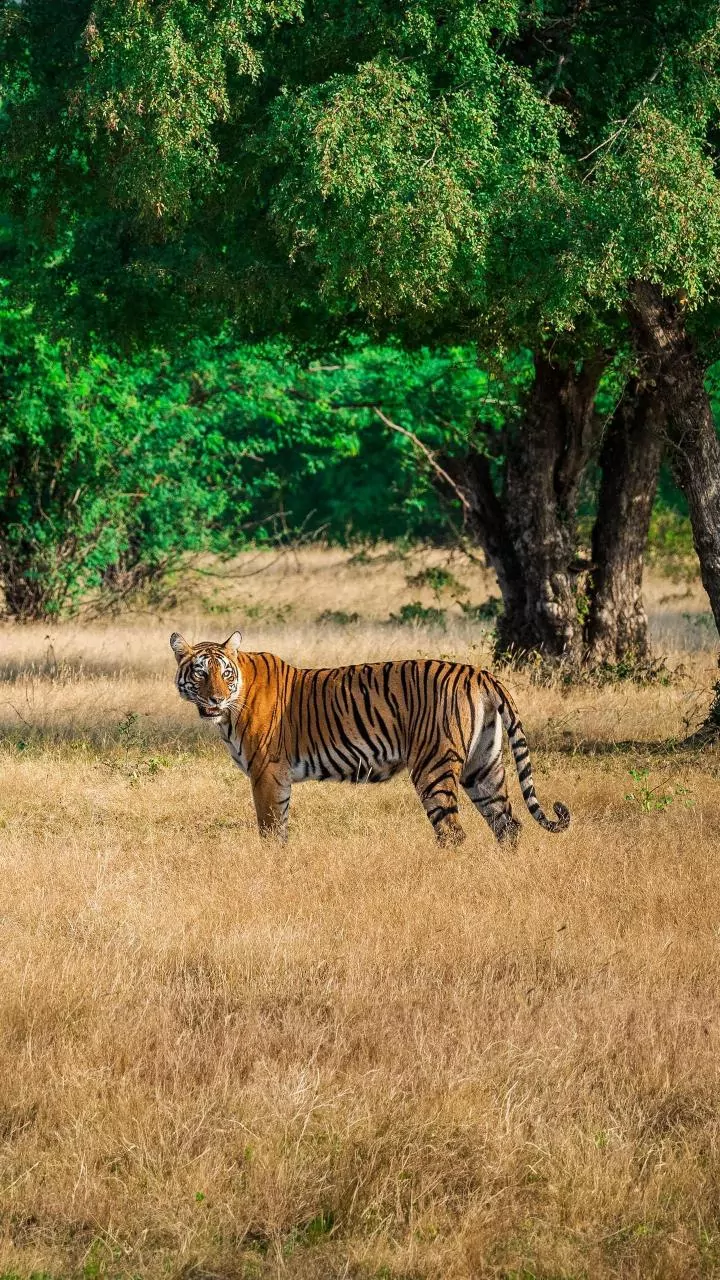
is cool and pleasant, making the early morning and afternoon game drives comfortable for travellers. More importantly, the dense foliage from the rains has started to thin out, and water sources become more concentrated, improving visibility and the chances of spotting wildlife, including the elusive Royal Bengal Tiger. This perfect combination of great weather and good sighting probability creates a massive surge in demand from both domestic and international tourists.
Understanding the Strict Permit Quota
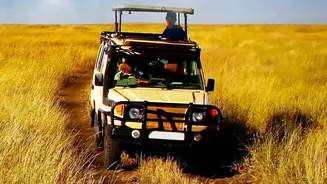
Unlike a trip to a city, a wildlife safari in India isn't something you can book on arrival. All major national parks operate under a strict permit system managed by state forest departments. To protect the environment and manage tourism pressure, a fixed number of safari vehicles—either 6-seater Jeeps or 20-seater Canters—are allowed into designated park zones for each morning and afternoon slot. For immensely popular parks like Ranthambore, this means a very limited number of permits are available for thousands of hopeful visitors. Once this quota is filled for a specific date and time, no more entries are allowed unless there are last-minute cancellations, which are rare and unreliable.
The Booking Window Sells Out in Minutes
Most national parks release their safari permits online between 60 and 120 days in advance. For example, bookings for parks in Madhya Pradesh (like Kanha and Bandhavgarh) open 120 days prior, while Ranthambore and Corbett open their calendars around 90 days ahead. For popular dates, especially weekends and holidays in November, these permits can sell out within minutes of being released on the official government portals. Many travellers trying to book for themselves find the process frustrating as websites can be slow and complicated. This high-speed, high-stakes booking process is the primary reason why last-minute plans often result in 'rejection'—not because the park is unwelcoming, but because it is simply full to its regulated capacity.
The Domino Effect of Booking Late
Waiting until the last minute creates a cascade of problems. The first and most obvious is the lack of safari permits. Without a confirmed permit, you cannot enter the park's core areas. Even if you manage to find a rare opening, your choices will be severely limited. You may be forced to take an afternoon slot in a less popular zone, which might not be ideal for sightings. Furthermore, accommodations near popular parks, which often have limited room inventory, get booked up months in advance along with the safaris. Any remaining rooms are often sold at inflated prices. This leaves late bookers with the stressful and often fruitless task of trying to piece together a trip from the few, often less desirable, leftover options.
Early Booking Means a Better Experience
Securing your safari permits well in advance—ideally 4-5 months before your travel dates—does more than just guarantee your entry. It gives you the power of choice. You can strategically book multiple safaris across different zones and times, which significantly increases your chances of memorable wildlife sightings. You can also select your preferred vehicle type, such as a more private Jeep over a shared Canter. Moreover, with the most critical part of your itinerary locked in, you can book the best-located and best-value lodges and resorts before they sell out, ensuring your entire trip is comfortable, well-planned, and stress-free.