








The Limits of Calorie Counting
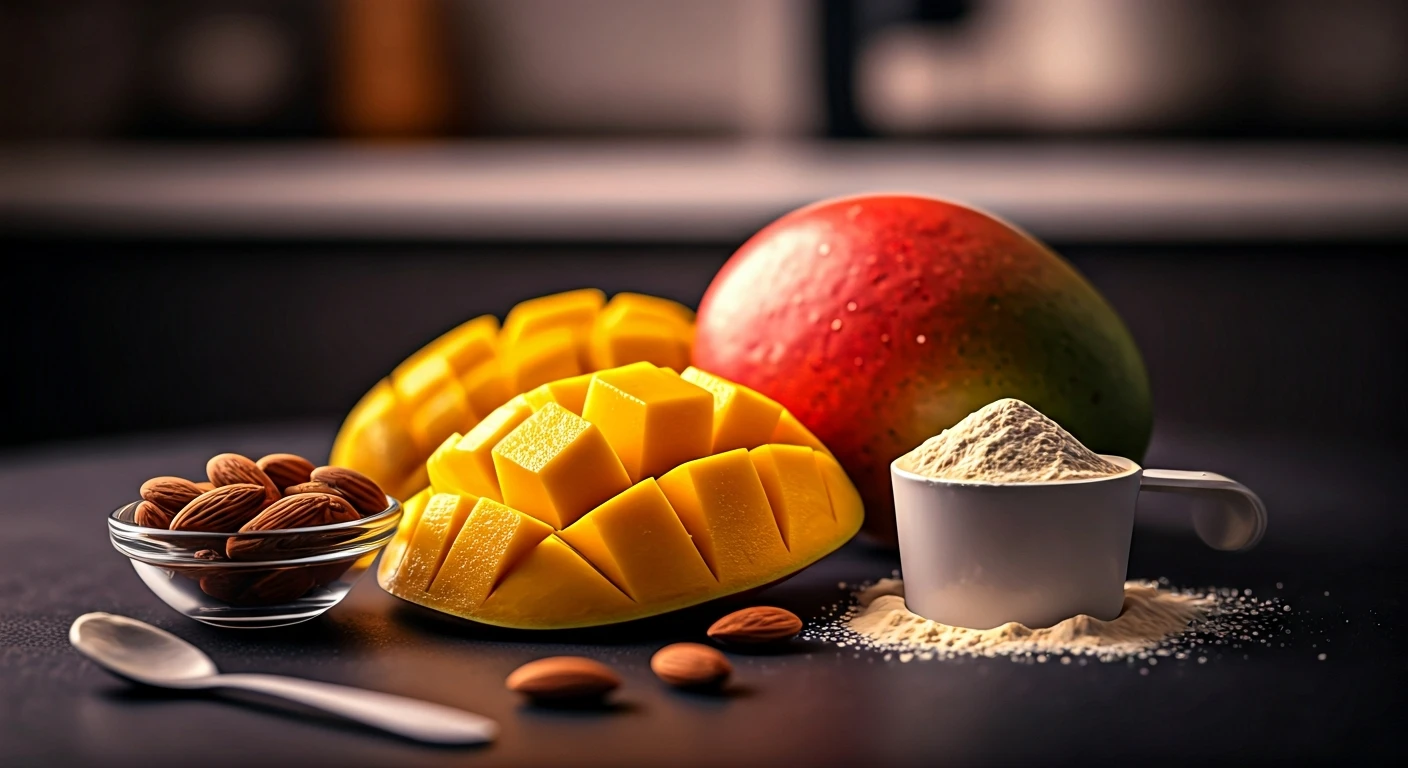
The mantra of 'a calorie is a calorie' is one of the most persistent myths in nutrition. While calories measure energy, they tell us nothing about nutrient quality. A 100-calorie serving of a sugary biscuit and a 100-calorie serving of almonds may have
the same energy value, but their effect on your body is vastly different. The biscuit causes a rapid spike in blood sugar, offering little nutritional benefit. The almonds, on the other hand, provide healthy fats, protein, and crucial micronutrients. A diet obsessed with low calories can easily become a diet poor in nutrients, leaving you feeling hungry, tired, and failing to support the complex systems that keep you healthy—especially the one in your gut.
Meet Your Digestive Ecosystem
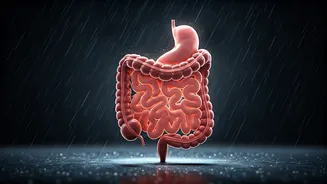
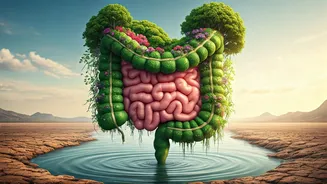
Imagine a bustling city inside your gut, populated by trillions of microorganisms. This is your gut microbiome, or 'digestive ecosystem'. It consists of bacteria, fungi, and viruses that live in your digestive tract, primarily the large intestine. This isn't a passive arrangement; these microbes are incredibly active. They help digest food your body can't, produce essential vitamins like Vitamin K and some B vitamins, regulate your immune system, and even influence your mood and mental health through the gut-brain axis. A healthy, diverse ecosystem is resilient and efficient. An imbalanced one can contribute to a host of issues, from digestive discomfort and bloating to more chronic health concerns.
Fiber: The Superfood for Your Gut
If your gut is an ecosystem, then fiber is its preferred food source. Specifically, it is the food for your beneficial gut bacteria. Humans lack the enzymes to digest dietary fiber, so it passes through the stomach and small intestine largely intact. When it reaches the large intestine, the gut microbes get to work. They ferment the fiber, a process that produces short-chain fatty acids (SCFAs). These SCFAs are miracle workers: they provide energy for the cells lining your colon, reduce inflammation, strengthen the gut barrier, and help regulate appetite. By focusing on fiber, you are not just 'filling up'; you are actively feeding the part of your body that manages digestion and overall wellness.
Making the Shift on Your Plate
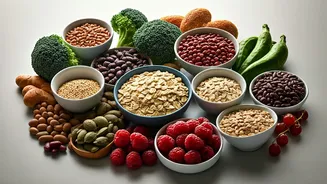
Shifting your focus from calories to fiber doesn't require a radical, restrictive diet. In fact, for most people in India, it's about returning to traditional dietary patterns. The modern diet, with its reliance on refined flours (maida), polished rice, and processed snacks, is often stripped of its natural fiber. The goal is to reintroduce it. Start with simple swaps. Choose whole wheat atta for your rotis and parathas instead of refined flour. Opt for brown or unpolished rice over white rice. Ensure every meal contains a serving of dal, legumes, or beans—think rajma, chana, or lentils. These are powerhouses of both fiber and protein.
More Easy Ways to Increase Fiber
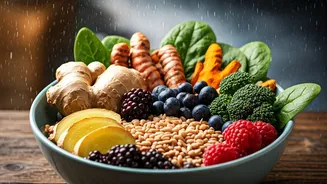
Snack smart. Instead of reaching for a packet of chips, grab a piece of fruit. Apples, pears, and guavas, eaten with their skin, are excellent sources of fiber. A handful of nuts and seeds like almonds, walnuts, and flaxseeds can also significantly boost your intake. Don't forget your vegetables! Incorporate a variety of seasonal vegetables into your sabzis, salads, and soups. The more diverse your plant intake, the more diverse and resilient your gut microbiome will become. Remember to increase your fiber intake gradually and drink plenty of water. A sudden, large increase in fiber can lead to temporary bloating or gas as your digestive system adjusts.