



Understanding the Alert on Essentials
The term 'alert' isn't just media hype; it reflects a growing body of evidence and official concern. Earlier this year, the Madras High Court directed the Food Safety and Standards Authority of India (FSSAI) to mandate warning labels on packaged water,
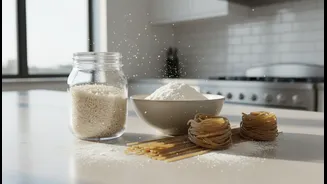
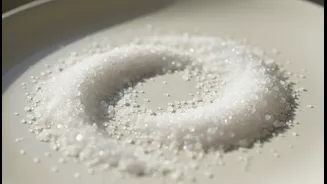
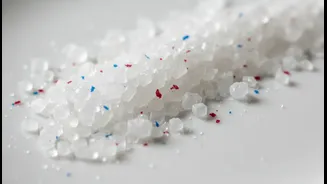
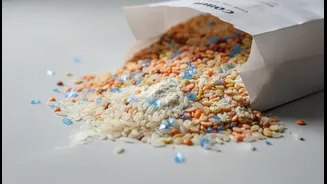
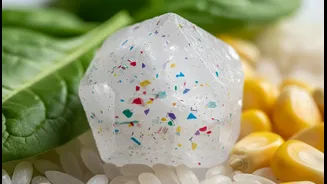
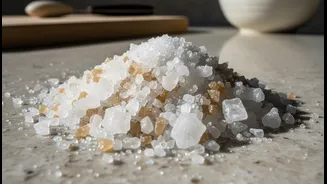
salt, and sugar regarding the possible presence of microplastics. This landmark order came on the heels of research showing contamination in these basic items. One study by the organisation Toxics Link found microplastics in every Indian salt and sugar brand they tested, from packaged to loose. These particles come from the breakdown of larger plastic waste, contaminating soil, water sources, and eventually, our food chain. While FSSAI is now developing methods to monitor the issue, the responsibility of reducing exposure currently falls on the consumer.
Start in the Kitchen: Swapping Plastic for Peace of Mind
Your first line of defence is your own kitchen. The way we store and prepare food can significantly increase or decrease our intake of microplastics. Heat is a major culprit; microwaving food in plastic containers can cause millions of micro- and nanoplastic particles to leach into your meal. The simple act of transferring leftovers to a glass or ceramic dish before reheating makes a huge difference. The same logic applies to storage. Swap out plastic tiffins and containers for alternatives made of stainless steel or glass. Fatty or oily foods, in particular, can cause chemicals like phthalates to leach from plastic packaging. Even plastic cutting boards can shed particles into your food during chopping; consider switching to a wooden or bamboo board for a safer prep surface.
Rethink Your Shopping Habits
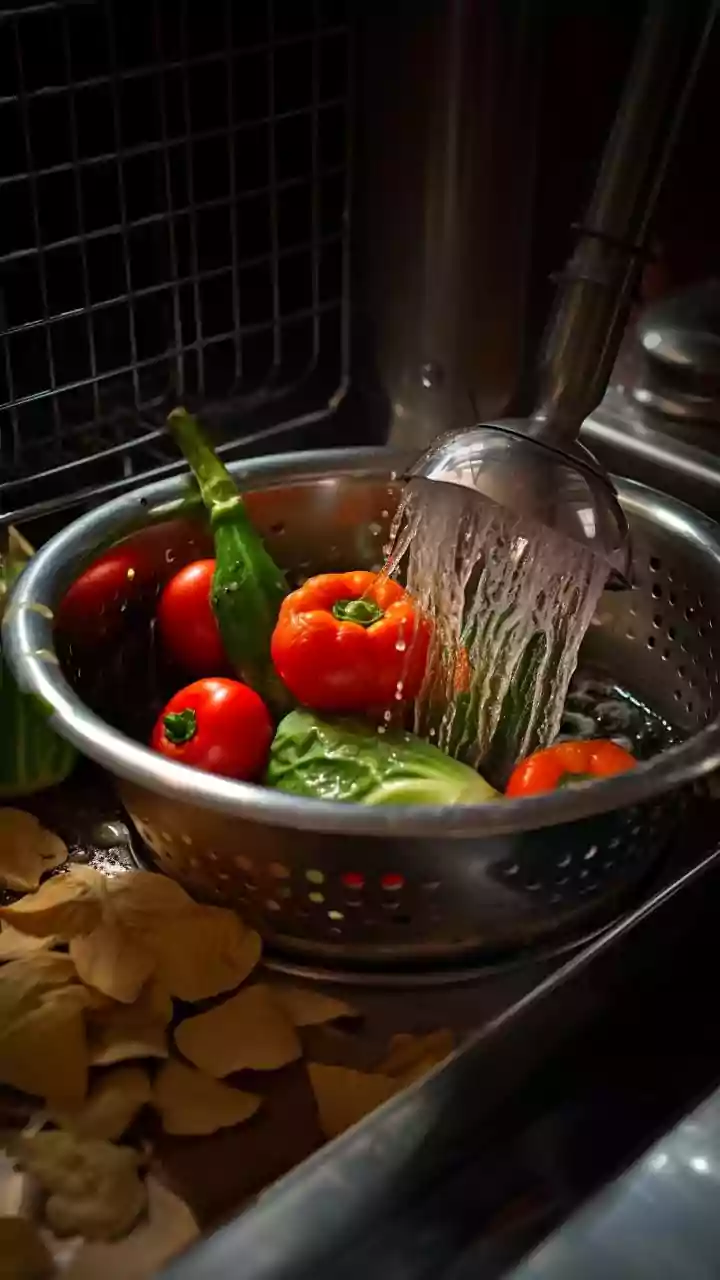
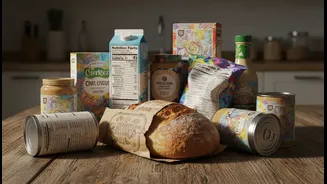
Mindful shopping is a powerful tool. Whenever possible, choose loose fruits and vegetables over those pre-packaged in plastic wrap or bags. Bringing your own reusable produce bags to the market is an easy habit to adopt. When buying staples like salt or spices, look for options sold in cardboard or glass containers, though this can be challenging. Studies have noted that iodised table salt often has higher concentrations of microplastics than rock salt. One of the biggest changes you can make is with your drinking water. Multiple studies have found that bottled water often contains significantly more microplastic particles than tap water. Investing in a good quality water filter for your home and carrying water in a stainless steel or glass bottle is a healthier and more sustainable choice.
Simple Tweaks to Your Cooking Routine
Beyond storage, small adjustments in your cooking process can further limit exposure. Avoid using plastic utensils, especially with hot foods like soups and curries, as heat can degrade the plastic. Stick to stainless steel or wooden spoons and spatulas. If you are a tea drinker, you may want to reconsider teabags. Many are sealed with polypropylene and can release billions of plastic particles when steeped in hot water. Switching to loose-leaf tea and using a metal infuser is a simple and effective alternative. Another surprising source can be non-stick pans with PTFE coatings, which can release microplastics as they wear out. Well-maintained cast iron or stainless-steel cookware are more durable and safer long-term options. Boiling tap water has also been shown to help reduce the concentration of microplastics you might ingest.