


Ancient Caves of Udayagiri and Khandagiri
Just a short drive from Bhubaneswar, the twin hills of Udayagiri and Khandagiri transport you back to the 2nd century BCE. These aren't just caves; they are intricately carved monastic dwellings created for Jain monks under the reign of King Kharavela.
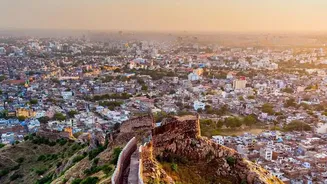
Udayagiri, meaning 'Sunrise Hill', has 18 caves, while Khandagiri, or 'Broken Hill', has 15. The Rani Gumpha (Queen's Cave) in Udayagiri is a standout, a two-storied monastery adorned with detailed friezes depicting royal processions and mythological scenes. Standing atop Khandagiri offers a sweeping panoramic view of Bhubaneswar, connecting the ancient past with the modern city.
The Living Art of Raghurajpur
About 14 km from Puri lies Raghurajpur, a village where art is not just a profession but a way of life. Recognised as a heritage crafts village, nearly every household here is a studio for Pattachitra painters, an art form dating back centuries. The walls of the homes are vibrant canvases themselves, adorned with beautiful murals. As you walk through its two main streets, you can watch artists create intricate paintings on cloth, palm leaves, and tussar silk, often depicting tales from Hindu mythology. The village is also the birthplace of the Gotipua dance, the precursor to Odissi, making it a hub of living culture.
Chilika Lake: A Symphony of Water and Wings
Asia's largest brackish water lagoon, Chilika Lake, is a biodiversity hotspot spanning over 1,100 square kilometres. It's a paradise for birdwatchers, especially during winter when millions of migratory birds from as far as Siberia make it their temporary home. A boat ride from Satapada is a popular activity, offering chances to spot the playful Irrawaddy dolphins. The lake is dotted with small islands, including Kalijai Island, which houses a revered temple dedicated to the Goddess Kalijai. The serene waters, bustling birdlife, and the livelihood of the fishing communities create a captivating and dynamic ecosystem.
Bhitarkanika: The Mangrove Wilderness
Known as the 'Mini-Amazon of India', Bhitarkanika National Park is the country's second-largest mangrove ecosystem. This network of creeks and canals is a sanctuary for the saltwater crocodile, with some giants growing up to 23 feet long. A boat safari through the tidal forests is the best way to explore this wild terrain, where you might spot kingfishers, Indian pythons, and monitor lizards. The park was once the hunting ground of the local king, and old hunting towers can still be seen. It’s also a vital nesting site for Olive Ridley turtles, particularly at Gahirmatha Beach on the park's eastern boundary.
Konark: The Sun Temple and Serene Beaches
The Sun Temple at Konark is an architectural marvel and a UNESCO World Heritage Site. Built in the 13th century, the entire temple is conceived as a colossal chariot for the Sun God, Surya, with 24 intricately carved wheels and seven mighty horses. While much of the main structure is in ruins, the surviving elements showcase the zenith of Kalinga architecture. Just 3 km away is Chandrabhaga Beach, a serene stretch of coastline perfect for watching the sunrise and sunset. The combination of profound history and natural seaside beauty makes Konark an essential stop.
Similipal: The Land of Red Silk Cotton
Covering a vast area of over 2,750 sq km, Similipal is a Tiger Reserve, National Park, and Biosphere Reserve all in one. The name comes from the abundance of 'Semul' or Red Silk Cotton trees that paint the forest in vibrant hues when they bloom. This dense forest is home to tigers, elephants, leopards, and over 300 species of birds. Similipal is globally known for its rare melanistic (black) tigers. The landscape is punctuated by stunning waterfalls, including the majestic Barehipani and Joranda falls, making it a dream destination for wildlife enthusiasts and nature lovers seeking an immersive experience in the wild.
Dhauli: The Hill of Peace
Overlooking the plains where the historic Kalinga War was fought, Dhauli hill, just 8 km from Bhubaneswar, marks a pivotal moment in history. It was here that Emperor Ashoka, horrified by the bloodshed, embraced Buddhism. At the site, you can see Ashoka's rock edicts, carved in the Brahmi script, declaring his new path of non-violence. Crowning the hill is the Shanti Stupa, or Peace Pagoda, a pristine white dome built in the 1970s by the Japan Buddha Sangha. The serene atmosphere and panoramic views of the Daya River make Dhauli a powerful place of reflection.