


Designing Your Outdoor Oasis
The dream of an outdoor seating area, enveloped by the colour and scent of a beautiful garden, is a common one. But turning this vision into a comfortable reality requires careful planning. Landscape design principles like unity, balance, and proportion
are key to creating a space that feels both intentional and inviting. The goal is to create a sense of enclosure and intimacy without it feeling cramped. Think of it as an extension of your home. Consider the function first: is this a quiet corner for two, or a space for lively dinners? The purpose will guide the layout, the size, and the overall mood you want to create. A well-designed area logically connects to your house, for instance by placing a dining patio near the kitchen for convenience.
The Right Plants in the Right Place
Plant selection is where aesthetics and comfort truly intersect. While a burst of colour is wonderful, the sensory experience goes much further. When choosing flowers for a seating area, consider their fragrance. A gentle, pleasant scent from lavender or certain roses can enhance the atmosphere, but an overpowering perfume can become cloying, especially near a dining table. Also, think about the insects your plants will attract. While pollinators are great for the garden, you may not want a swarm of bees buzzing around your meal. Plants like marigolds and basil are not only beautiful but can help deter common pests.
A Smart Approach to Fragrance and Pests
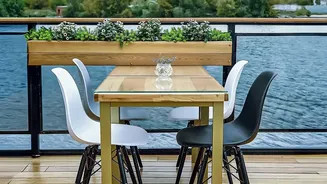
A comfortable outdoor area is one where you aren't constantly swatting away bugs. Fortunately, nature provides its own solutions. Incorporating insect-repelling plants into your design is a smart, natural way to keep pests like mosquitoes at bay. Lavender is a classic choice, beloved by humans for its calming scent but disliked by mosquitoes, flies, and moths. Herbs such as rosemary, mint, basil, and lemongrass are also highly effective repellents and have the added benefit of being useful in the kitchen. You can plant these in pots placed strategically around your patio or along the borders of your seating area. For evening gatherings, tossing sage or rosemary onto a fire pit can create an aromatic smoke that wards off insects.
Creating Structure and Privacy
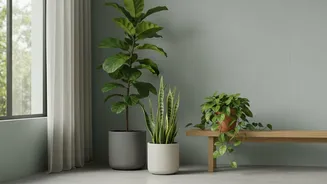
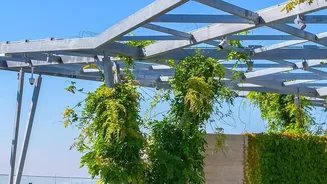
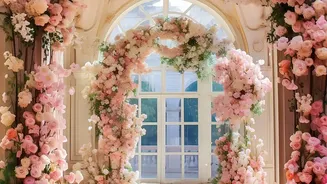
Comfort also comes from a sense of privacy and seclusion. Plants can be used to create natural walls and screens that define your outdoor room. A classic hedge of narrow, fast-growing evergreens can provide a solid screen. For a more natural and visually interesting look, consider layering plants of different heights and textures. Tall ornamental grasses can create a soft, semi-transparent screen that provides privacy without completely blocking sunlight. For smaller spaces, a trellis with climbing plants like jasmine or roses can create a beautiful vertical screen, adding both privacy and a touch of romance. Even a row of large potted plants can effectively define a space and create a feeling of enclosure.
Arranging for Flow and Functionality
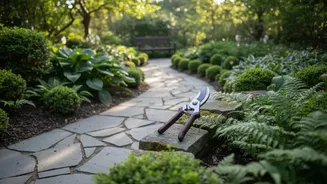
Finally, consider the practical layout of your furniture within the floral setting. There should be enough space to pull out chairs and walk comfortably around the area without brushing against thorny bushes or delicate blooms. The arrangement of plants and hardscaping, like paths and patios, should guide movement naturally through the space. The relationship between the 'softscape' (plants) and 'hardscape' (furniture, paving) needs to be balanced. Use soft, trailing plants to soften the hard edges of a patio or use climbing plants on a wall to blend architectural lines with nature. This thoughtful integration of all elements is what ultimately creates a space that is not just beautiful to look at, but deeply comfortable and enjoyable to use.