




What Exactly Is Arrowroot?
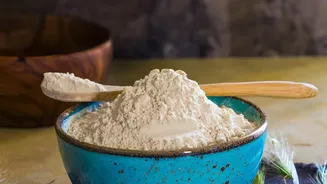
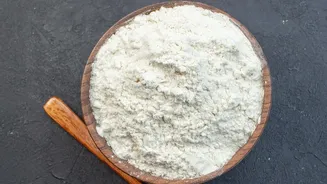
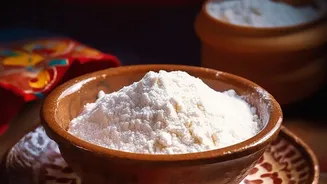
Arrowroot flour, also called arrowroot powder or starch, is a fine, white powder extracted from the root of a tropical plant, the Maranta arundinacea. Unlike cornstarch, which can sometimes have a slight taste or a cloudy appearance, arrowroot is completely
neutral in flavour and creates a clear, glossy finish. This makes it an ideal ingredient when you don't want to alter the taste or appearance of your dish. It's naturally free of gluten, grains, and nuts, making it a fantastic pantry staple for those with dietary sensitivities. Its powder is highly digestible, which is why it has been traditionally used in foods for infants and those with sensitive stomachs.
Why Choose It Over Cornstarch?
While both are thickeners, arrowroot has several distinct advantages. It thickens at a lower temperature than cornstarch and doesn't break down when mixed with acidic ingredients like fruit juice or vinegar. This makes it perfect for glazes and fruit pie fillings. Another major benefit is its stability in the freezer; sauces thickened with arrowroot can be frozen and thawed without becoming spongy or watery, unlike some cornstarch-thickened mixtures. However, be careful not to overheat it, as prolonged high heat can cause it to lose its thickening power. It's also not the best choice for dairy-heavy cream sauces, as it can sometimes result in a slimy texture.
1. Classic Creamy Vanilla Pudding
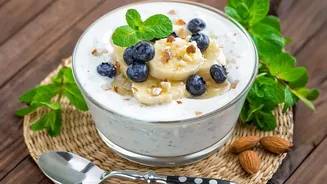
This recipe is the perfect showcase for arrowroot's ability to create a silky, smooth dessert. To start, make a slurry by whisking about four tablespoons of arrowroot powder with a little cold milk until completely smooth. In a saucepan, gently heat two and a half cups of milk with half a cup of sugar and a pinch of salt. Just as it begins to simmer, slowly whisk in the arrowroot slurry. Continue to whisk constantly over medium heat for a few minutes until the mixture thickens to a pudding consistency. Remove it from the heat and stir in a tablespoon of butter and a teaspoon of vanilla extract. Pour into serving dishes and chill for at least an hour.
2. Crispy Vegetable Pakoras
Arrowroot flour is fantastic for creating a light, crispy coating for fried foods. For a delicious snack, try making vegetable pakoras or fritters. Finely chop vegetables like carrots, onions, and even raw arrowroot root itself. In a bowl, create a batter using gram flour (besan) and a few tablespoons of arrowroot powder, which will add extra crispness. Season with salt, turmeric, and your favourite spices. Add the chopped vegetables to the batter and mix well. Drop spoonfuls of the mixture into hot oil and fry until golden brown and crispy on all sides. Serve hot with a simple tomato or mint chutney.
3. Simple Gluten-Free Biscuits
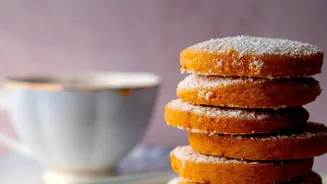
Thanks to its ability to lighten textures, arrowroot is a valuable ingredient in gluten-free baking. For simple, tender biscuits, whisk together one cup of arrowroot powder with one cup of another gluten-free flour like coconut or almond flour, plus a teaspoon of baking powder and a pinch of salt. Cut in half a cup of cold butter or coconut oil until the mixture looks like coarse crumbs. Stir in just enough milk or buttermilk to form a soft dough. Drop spoonfuls onto a baking sheet and bake at 175°C (350°F) for 12-15 minutes, until the edges are golden. They come out wonderfully light and are perfect with jam or alongside a hearty soup.
4. Perfecting Soups and Gravies
This is where arrowroot truly shines as a thickener. To thicken about a cup of soup, gravy, or sauce, start by making a slurry. Mix one tablespoon of arrowroot powder with an equal amount of cold water, broth, or other cool liquid until it's a smooth paste. It's crucial to use a cold liquid to prevent clumping. Towards the end of the cooking process, slowly whisk the slurry into your hot soup or sauce. Stir for about 30 seconds to a minute until it has thickened to your desired consistency. Remember not to boil it for too long, and you'll be rewarded with a perfectly smooth, glossy sauce.
5. Quick Fruit Jelly or Glaze
Because arrowroot creates a clear, shiny finish and holds up well with acidic ingredients, it’s ideal for making quick fruit jellies and glazes for tarts. For a simple berry glaze, gently heat one cup of fruit juice (like berry or apple) in a small saucepan. Make a slurry with one to two tablespoons of arrowroot powder and a little cold water. Whisk the slurry into the warming juice and continue to stir until the mixture thickens and becomes clear and glossy. Remove from the heat. You can then use this to top a fruit tart, cheesecake, or simply chill it in small bowls for a simple jelly dessert.