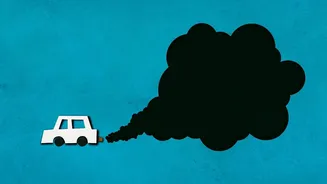








India is gearing up for the next major step in its fight for cleaner air: the proposed Bharat Stage VII (BS-VII) emission norms. This time, the big change isn't just about stricter limits, but where vehicle emissions are tested—on actual roads.
From the Lab to the Road
For years,
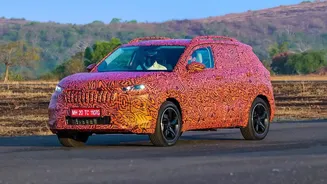
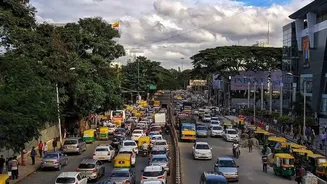
vehicle emissions were tested in controlled laboratory environments. While these tests provided a standard benchmark, they often failed to capture the full picture of pollution a car produces in daily traffic. Conditions like sudden acceleration, traffic jams, varying road gradients, and temperature changes can significantly affect emission levels. The proposed BS-VII norms aim to bridge this gap by making Real Driving Emissions (RDE) testing a central component of vehicle certification. RDE was first introduced in the second phase of BS-VI norms in April 2023, but BS-VII plans to strengthen its application.
What is Real Driving Emissions (RDE) Testing?
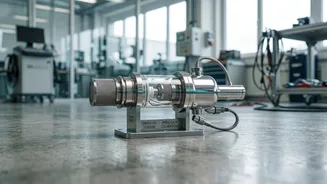
RDE testing involves fitting a car with a sophisticated device called a Portable Emissions Measurement System (PEMS). This equipment is attached to the vehicle to measure key pollutants like Nitrogen Oxides (NOx) and Particulate Matter (PM) in real-time as the car is driven on public roads. The test route typically includes a mix of urban, rural, and highway driving to simulate a wide range of real-world conditions. This ensures that a vehicle's emission control systems are effective during everyday use, not just under ideal lab conditions. The move towards on-road testing is a global trend, prompted in part by discrepancies found in lab-based results worldwide.
The Proposed BS-VII Framework
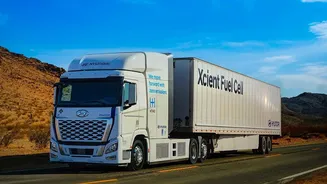
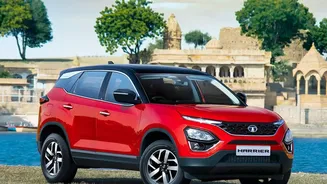
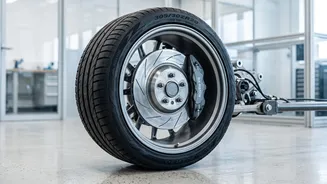
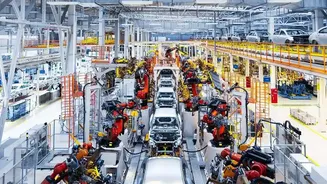
The Ministry of Road Transport and Highways has published draft notifications for the BS-VII standards, proposing a phased rollout. Passenger cars and SUVs would be the first to adopt the new norms from April 1, 2029, followed by light commercial vehicles in 2030, and heavy-duty trucks and buses in 2031. A key aspect of these rules is that they look beyond just the exhaust pipe. For the first time, the regulations will also address pollution from brake and tyre wear. They also introduce durability requirements for EV batteries, mandating they retain a certain percentage of their capacity over several years and kilometres.
What It Means for You and Your Car
For consumers, this shift promises cars that are genuinely cleaner and more technologically advanced. Vehicles will come equipped with On-Board Monitoring (OBM) systems to continuously track emissions and alert the driver of any issues. The government also plans to introduce an 'Environmental Vehicle Passport' to give buyers clear information on a vehicle’s environmental performance. However, these advancements will likely come at a cost. The enhanced technology and R&D required to meet these stringent, real-world standards may lead to an increase in vehicle prices, particularly for diesel models which require more complex emission control systems. It’s important to note that these proposed rules will only apply to newly manufactured vehicles from the specified dates; they will not affect existing BS-VI compliant cars.
The Bigger Picture: A Comprehensive Approach
The proposed BS-VII norms represent a more holistic approach to tackling vehicular pollution. While some tailpipe emission limits for passenger cars may remain the same as in BS-VI, the rules will now capture much smaller, ultrafine particles by lowering the measurement threshold. For heavy-duty vehicles like trucks and buses, the emission reduction targets are much steeper, aiming for cuts between 20 to 50 percent for various pollutants. By combining lab tests with robust real-world data and expanding the scope to non-exhaust emissions, India is aligning its regulations with stringent global standards like Europe's Euro 7 framework, signalling a firm commitment to improving air quality in its cities.