








When 'Average' Rainfall Isn't Enough
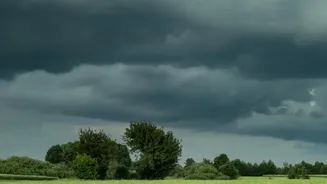
The term 'uneven distribution' is key to understanding the 2026 monsoon's impact. While national averages might appear close to normal after a late surge, the reality on the ground is a story of extremes. Some regions have been hit with intense downpours
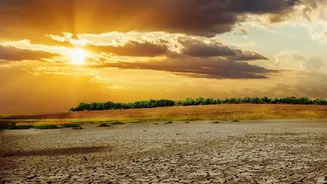
leading to floods, while others, sometimes in the very same state, are grappling with prolonged dry spells. As of mid-August, over a third of the country is reportedly facing drought conditions, with significant agricultural areas under moisture stress. This patchiness is more dangerous for crops than a simple deficit. A few days of heavy rain cannot compensate for weeks of dryness, especially when crops are in their critical growth phase. This year, the sowing season, which is now largely complete, has seen total acreage dip slightly compared to last year, with key crops like rice showing a notable decline.
The Critical Stage for Key Crops
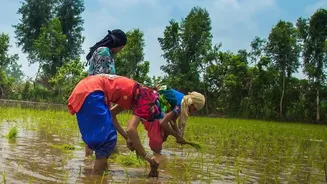
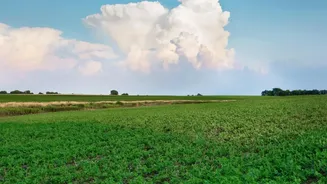
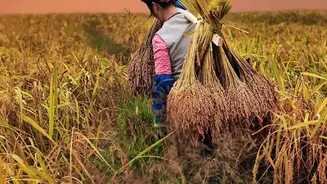
August is a make-or-break month for Kharif crops like paddy (rice), soybeans, maize, and pulses. These plants are now entering developmental stages that will determine the final harvest size. Rice, the main Kharif crop, is particularly vulnerable. While irrigated areas have a buffer, vast rainfed paddy fields suffer when rains fail during the tillering and grain-filling stages. Reports from mid-August 2026 indicate that major rice-producing districts are experiencing rainfall deficits, putting upland paddy at risk. Similarly, soybeans, another major crop, are threatened by moisture stress that can hurt flowering and pod formation. Pulses like tur (pigeon pea) are also a concern; though somewhat drought-tolerant, they can lose flowers and pods if dry conditions persist. The sowing of pulses has been a particular point of concern this season.
The Ripple Effect on Farmer Incomes
For India's farmers, an erratic monsoon is not just an agricultural problem but an economic crisis in the making. Delayed or failed rains directly impact yield, leading to lower production and reduced income. Many farmers who have already faced a delayed start to the season are now contending with unpredictable rainfall during the most crucial period for crop growth. The increased frequency of intense, short-duration rainfall followed by long dry spells means soil moisture can be rapidly depleted, forcing farmers to rely more on groundwater for irrigation. This not only increases their input costs (for fuel to run pumps) but also puts a strain on already depleting groundwater reserves, which could have knock-on effects for the upcoming Rabi (winter crop) season.
From the Farm to Your Kitchen
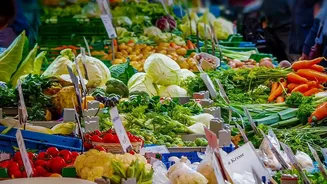
The consequences of a poor Kharif harvest extend far beyond the fields. Agriculture is a cornerstone of the rural economy, and lower farm incomes lead to suppressed demand for goods and services, affecting numerous other industries. For the urban consumer, the most direct impact is on food prices. A shortfall in the domestic production of essential commodities like pulses, edible oils, and even certain vegetables can lead to supply shocks and a spike in food inflation. Even with a decent overall harvest, regional disparities in production can disrupt supply chains and create price volatility in local markets. The government closely monitors the situation, as rising food prices can quickly become a major challenge for household budgets across the country.
Monitoring and Mitigation Efforts
The Indian government and meteorological agencies are on high alert. The India Meteorological Department (IMD) is continuously monitoring oceanic and atmospheric conditions, especially with the strengthening of El Niño, which is known to suppress monsoon rainfall. The government has advised farmers in vulnerable regions to consider shifting to short-duration or drought-tolerant crop varieties to hedge against potential losses. Special emphasis is being placed on promoting climate-resilient technologies, water conservation practices like micro-irrigation, and balanced fertilizer use. While these measures can help, the fate of the 2026 Kharif season ultimately hinges on the monsoon's performance over the next few crucial weeks.