





What the New Study Actually Found
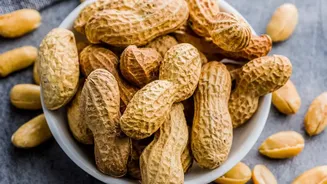
Recent research from Maastricht University in the Netherlands has generated buzz by linking daily peanut consumption to positive changes in the brain. In a study involving 31 healthy adults aged 60 to 75, participants who ate about two servings (60 grams)
of unsalted, skin-roasted peanuts daily for 16 weeks showed some encouraging results. Researchers observed improved insulin responsiveness in brain regions that are important for memory. Since the brain's ability to respond to insulin can decline with age, this finding is noteworthy. Another related study from the same team found that daily peanut consumption increased cerebral blood flow by about 3.6% and improved verbal memory scores by 5.8%. These results suggest that regular peanut consumption may support certain aspects of brain function.
Why 'Preventing Dementia' Is a Big Leap
While the findings are interesting, it is crucial to understand their limitations. The headline of this article gets it right: these results do not prove that peanuts prevent dementia. Firstly, the studies were small, involving only a few dozen participants. Secondly, the study duration was 16 weeks—a short period when considering diseases like Alzheimer's that develop over decades. Most importantly, the studies measured markers like blood flow and insulin responsiveness, not the actual incidence of dementia. Researchers themselves noted that they did not determine whether these changes could actually prevent cognitive decline or Alzheimer's disease. Jumping from 'improved blood flow' to 'dementia prevention' is a significant overstatement of the available evidence.
Correlation Is Not Causation
This is a perfect moment to discuss a key concept in science: correlation is not causation. Just because two things happen together—like eating peanuts and having better scores on a memory test—doesn't mean one caused the other. The studies show a link, an association. The improvements could be related to the rich nutrient profile of peanuts, which includes beneficial unsaturated fats, protein, and polyphenols like resveratrol found in the skins. These compounds have anti-inflammatory and antioxidant properties that are known to support vascular health, which is closely tied to brain health. However, other lifestyle factors could also be at play. Larger, long-term studies are needed to establish a direct cause-and-effect relationship between peanut consumption and a reduced risk of dementia.
So, Should You Eat Peanuts for Brain Health?
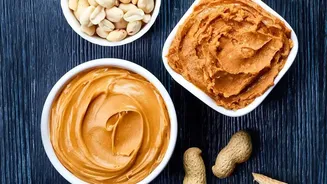
The short answer is that peanuts can absolutely be part of a brain-healthy diet. While they aren't a proven shield against dementia, they are a nutritional powerhouse. Peanuts are an excellent source of niacin, vitamin E, healthy monounsaturated fats, and protein. These nutrients contribute to overall health, including supporting brain cell structure and protecting cells from oxidative stress. Many observational studies have linked regular nut consumption in general with better cognitive performance and a lower risk of cognitive decline over the long term. The key is to see them as one component of a broader healthy lifestyle, not as a singular cure. Opting for unsalted, skin-on peanuts is a great way to maximize your intake of beneficial polyphenols without adding excess sodium.
The Bigger Picture on Diet and Dementia
When it comes to preventing dementia and maintaining cognitive function, no single food holds all the answers. The scientific consensus points towards holistic dietary patterns as being most effective. Diets like the Mediterranean diet, which is rich in fruits, vegetables, whole grains, fish, and nuts (including peanuts), have been consistently linked to better cognitive outcomes in older adults. This approach emphasizes a variety of nutrients working together. A brain-healthy lifestyle also includes regular physical exercise, active social engagement, and continuous learning to keep your mind sharp. This latest peanut study adds a small but interesting piece to a very large puzzle, reinforcing the idea that what we eat has a significant impact on our long-term brain health.