
The Red Planet's Dusty Threat
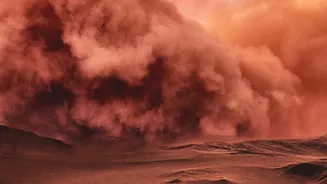
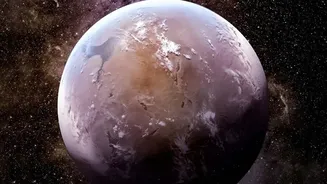
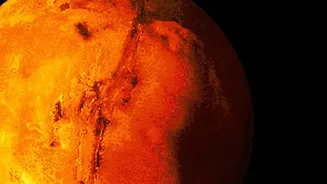
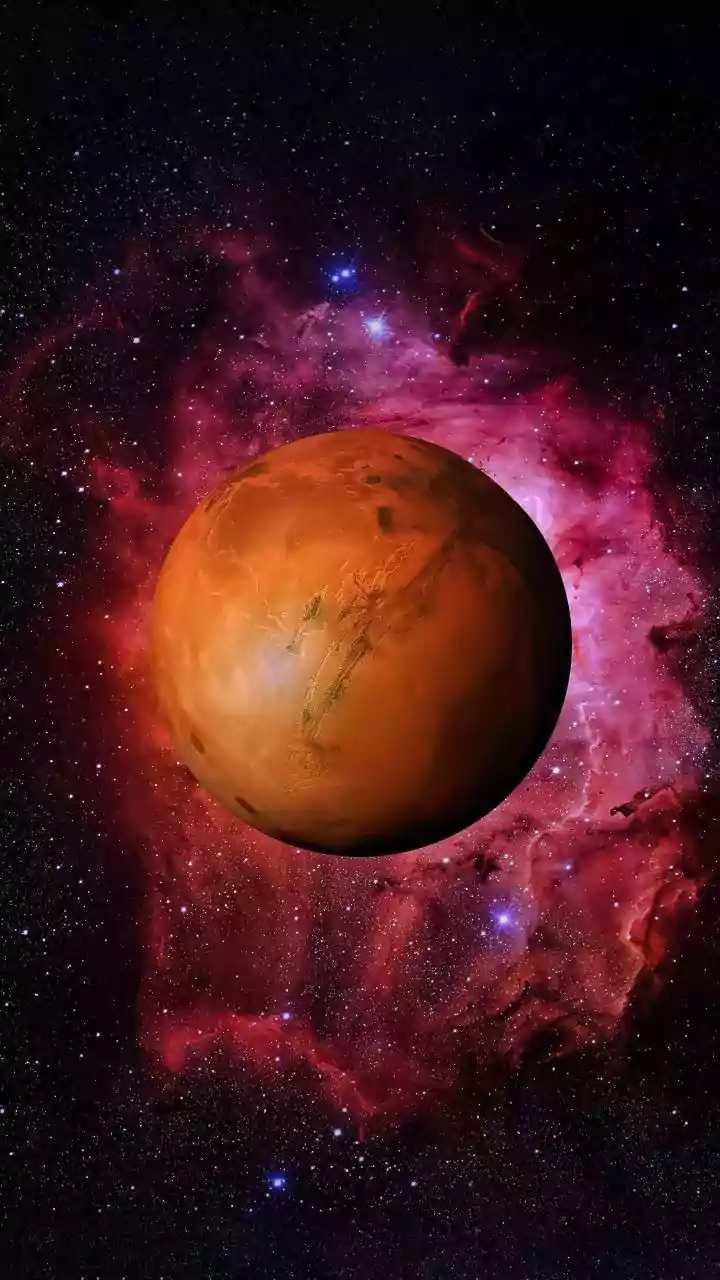
Martian dust storms are the largest in the solar system, capable of covering continent-sized areas for weeks. Every few Mars years (roughly six to eight Earth years), these can escalate into a 'planet-encircling' event that shrouds almost the entire globe
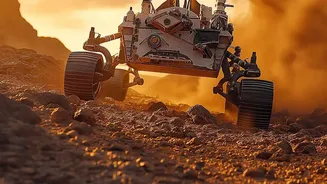
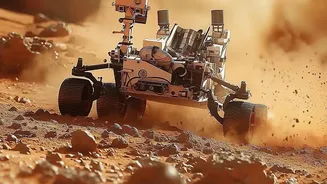
in a thick, hazy veil. This isn't just a weather curiosity; it's a major hazard for exploration. The fine, electrostatic dust clings to everything, getting into gears and mechanisms. More critically, it blocks sunlight, which is fatal for solar-powered assets. The 2018 global storm, for example, famously led to the end of NASA's long-lived Opportunity rover mission after its solar panels were smothered in dust. Understanding how these storms form and travel is essential for protecting current robotic explorers and planning for the safety of future human missions.
The Eyes in the Martian Sky
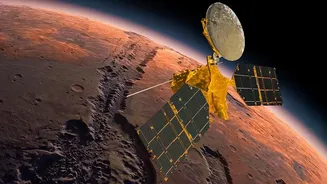
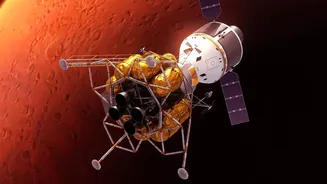
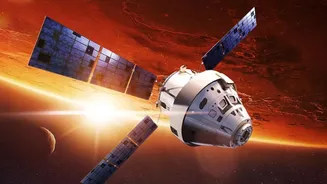
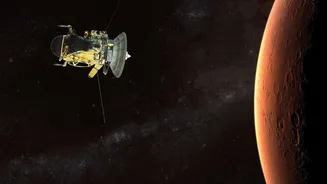
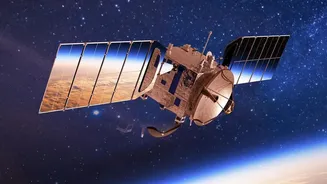
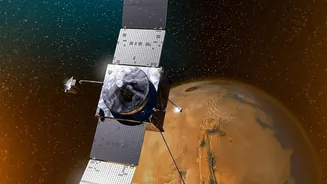
Scientists rely on a team of orbiters circling Mars, each equipped with specialised instruments to act as a planetary weather service. Key players include NASA's Mars Reconnaissance Orbiter (MRO), Mars Odyssey, and MAVEN, along with the European Space Agency's Mars Express and ExoMars Trace Gas Orbiter. The MRO is a workhorse for storm tracking, carrying the Mars Color Imager (MARCI), which captures a daily global map to watch how storms evolve visually. By assembling these daily pole-to-pole image swaths, scientists create a movie-like sequence showing a storm's birth and movement across the planet.
From Light and Heat to a Forecast
Detecting a dust storm's trajectory involves more than just taking pictures. Orbiters use a multi-layered approach. Spectrometers, like the MRO's Mars Climate Sounder or Odyssey's THEMIS instrument, measure atmospheric temperatures at different altitudes. As dust is lifted into the thin atmosphere, it absorbs sunlight, creating a warm pocket of air miles above the surface. This temperature change is a clear signal that a storm is brewing and provides crucial data on its structure. By tracking these thermal signatures, scientists can see how the storm is spreading and how its energy is influencing the broader atmosphere. For instance, a temperature spike of 25 degrees Celsius was recorded 25 kilometres above one storm, indicating significant atmospheric warming.
Uncovering Seasonal and Cyclical Patterns
Years of observation have revealed predictable patterns. Martian dust storms are seasonal, primarily driven by solar heating. They occur most often during the southern hemisphere's spring and summer, when Mars is closer to the sun in its elliptical orbit. This increased solar energy warms the surface, creating rising air currents that lift fine dust particles. A positive feedback loop can then kick in: the suspended dust absorbs more sunlight, heating the atmosphere further and driving stronger winds, which in turn lift more dust. Many large storms originate in the same regions, such as the Acidalia Planitia in the north, before traveling south and expanding. This seasonal knowledge allows scientists to anticipate when and where storms are most likely to begin, forming the basis of Martian weather forecasting.
Why Tracking the Dust Matters
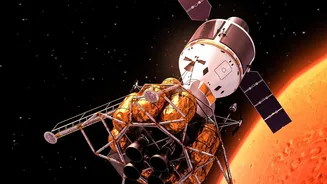
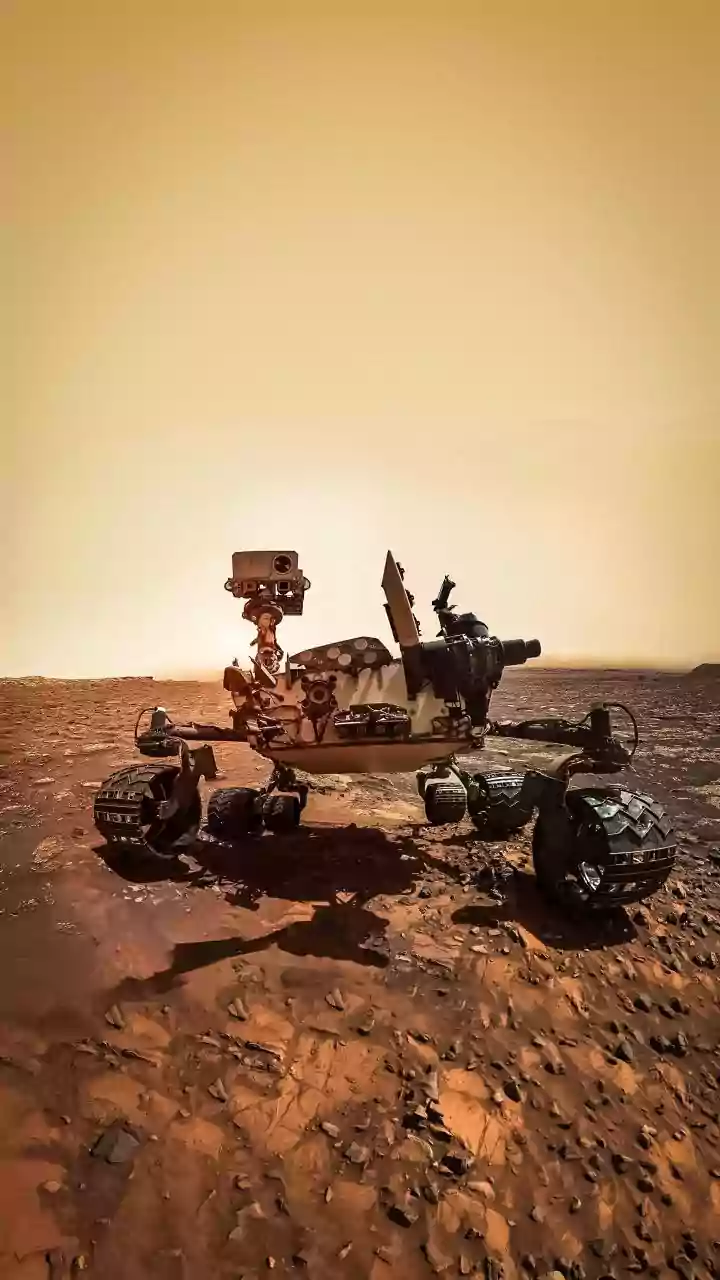
This orbital surveillance is vital for mission operations on the ground. When a storm was detected in January 2022, NASA's InSight lander was preemptively put into a safe mode to conserve its battery as sunlight dimmed. The Ingenuity Mars Helicopter's flights were also postponed until atmospheric conditions improved. Orbiters like MRO not only provide these crucial weather alerts but also act as essential communication relays, sending data from rovers and landers back to Earth. By combining observations from orbit with data from surface weather stations on rovers like Curiosity, scientists get a complete, three-dimensional picture of a storm. This deep understanding is not just for protecting robots; it's a non-negotiable requirement for designing safe habitats, planning landing windows, and ensuring the survival of the first human explorers on the Red Planet.