







From Code to the Clouds
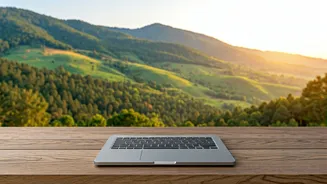
Picture this: a young software developer finishes a line of code, shuts their laptop, and instead of facing a traffic-choked commute in Bengaluru or Hyderabad, steps out onto a balcony overlooking the rolling tea gardens of Munnar or the serene lakes
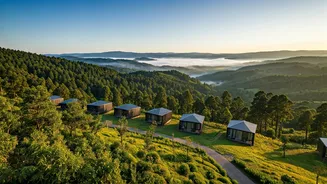
of Kodaikanal. This isn't a vacation fantasy; it's the new reality for a growing number of India's tech workforce. Southern hill stations are witnessing an unprecedented boom in bookings from the IT sector, but it's not the luxury resorts that are benefiting most. It's the humble, and increasingly hip, youth hostel. These establishments, once seen as purely for backpackers on a shoestring budget, are rebranding and retooling themselves to cater to a new demographic: the digital nomad with a steady paycheck and a craving for community.
The 'Workation' Revolution
The primary catalyst for this shift is, unsurprisingly, the post-pandemic normalization of remote work. While many companies are pushing for a return to the office, the tech industry has retained a significant degree of flexibility. This has untethered thousands of young professionals from their expensive city apartments. A 'workation' — a portmanteau of 'work' and 'vacation' — is no longer a two-week novelty but a viable lifestyle. Why pay exorbitant rent in a metro city when you can perform the same job from a picturesque hill station for a fraction of the cost? The infrastructure has caught up to the ambition. Hostels in places like Ooty, Coorg, and Vattakanal now proudly advertise high-speed Wi-Fi, dedicated co-working spaces, and power backup, effectively eliminating the practical barriers to working remotely from the mountains.
More Than Just a Bed
So, why hostels and not hotels or Airbnbs? The answer lies in the 'vibe'. After two years of pandemic-induced isolation and monotonous work-from-home routines, young professionals are actively seeking connection and community. A hotel room can feel isolating, while a solo Airbnb can be lonely. Modern hostels, however, are designed for interaction. They offer common rooms buzzing with energy, communal kitchens that spark conversations, and organised activities like treks, bonfires, and open-mic nights. For a generation that has spent its formative professional years behind a screen, these spaces provide a much-needed antidote to the loneliness of remote work. It's a chance to meet like-minded people from different walks of life, network informally, and build a temporary community, all while being productive.
The Economics of Escape
Let’s not forget the financial logic, which is incredibly compelling. The cost of living in a major IT hub like Bengaluru, Chennai, or Pune is steep. A month's rent in a decent city flat can cover several months of accommodation in a hostel dorm or even a private room in a hill station. For a young professional looking to save money, pay off loans, or simply build a financial cushion, the choice is clear. This economic arbitrage allows them to maintain their urban salary while enjoying a lower cost of living and a higher quality of life. The hostel model, with its flexible daily, weekly, and monthly rates, offers a level of financial agility that traditional leases cannot match. It’s an escape that is not only good for the soul but also for the wallet.
The Local Impact
This influx is transforming the local economies of these quiet hill towns. Hostel chains like Zostel, goSTOPS, and The Hosteller, alongside numerous independent operators, are expanding rapidly. They are creating jobs and stimulating local businesses, from cafes and restaurants to bike rentals and tour guides. This new wave of long-stay tourists spends more consistently within the community than the weekend visitor. However, this rapid growth is not without potential challenges. Concerns about putting pressure on local resources, such as water and waste management, and the risk of over-commercialisation changing the authentic character of these destinations are valid. For now, the relationship is symbiotic, with techies getting their mountain escape and the towns receiving a welcome economic boost.