


The Philosophy: More Than Skin Deep
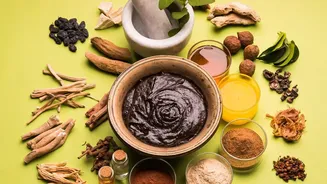
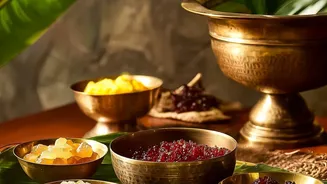
Before diving into specific ingredients, it's crucial to understand Ayurveda's core concept. It’s a 5,000-year-old system of medicine from India that sees beauty as a reflection of inner health. It revolves around balancing three life energies, or 'doshas':
Vata (air), Pitta (fire), and Kapha (earth). Vata skin tends to be dry and delicate, Pitta skin is often sensitive and prone to inflammation, while Kapha skin is typically oily and can be congested. The goal isn't just to apply a paste, but to bring the body into harmony through diet, lifestyle, and mindful rituals that suit your specific constitution. True Ayurvedic beauty is holistic; radiant skin is considered a sign of balanced Ojas, the body's vital essence.
Claim: Turmeric Gives a Royal, Golden Glow
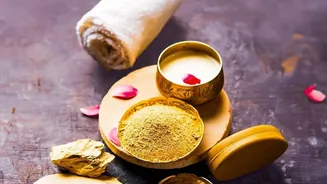
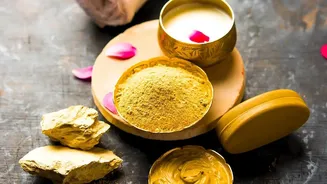
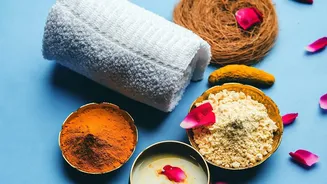
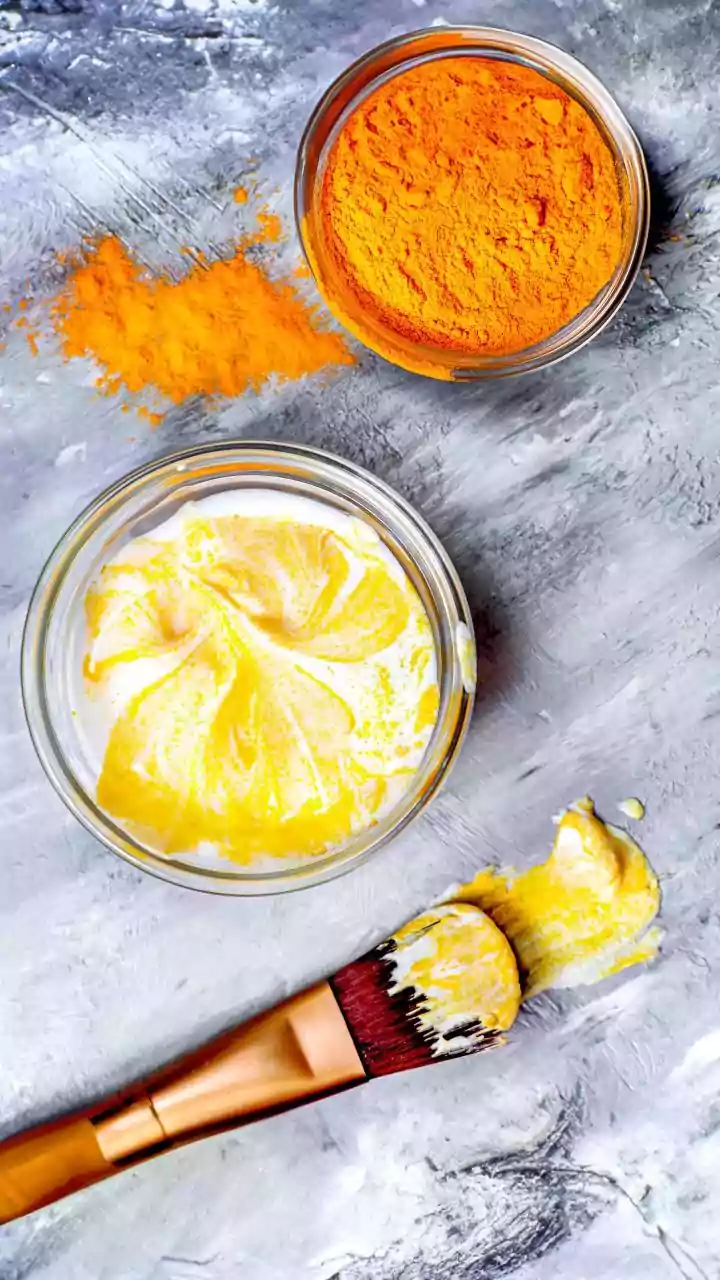
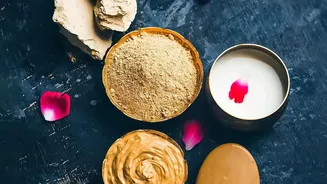
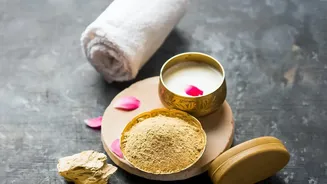
Turmeric, especially when mixed into a paste called 'ubtan' with ingredients like chickpea flour and milk, is a star of pre-wedding rituals across India. The claim is that it delivers an unparalleled glow fit for a queen. The reality is that turmeric's active compound, curcumin, has well-studied anti-inflammatory and antioxidant properties. These can help calm the skin, reduce redness, and potentially assist in healing wounds and managing conditions like acne and psoriasis. However, the 'golden glow' is partly temporary and partly the result of exfoliation and improved circulation from the ubtan application. While many studies are promising, they are often small, and more robust research is needed to confirm its therapeutic benefits for all skin conditions. And a word of warning: the potent yellow spice can temporarily stain the skin and cause irritation for some.
Claim: Sandalwood is a Miracle Skin Soother
Sandalwood paste has been a treasured beauty secret in royal Indian courts for centuries, particularly in regions like Rajasthan and Mysore, to cool and clarify the skin in harsh climates. It is revered for its ability to soothe rashes, acne, and irritation. The science backs this up to a degree; sandalwood oil has proven antimicrobial and anti-inflammatory properties, making it effective against acne-causing bacteria and skin inflammation. Some studies suggest it can help with conditions like psoriasis and eczema. However, it’s not a cure-all. Its effectiveness can depend on the formulation, and for some, it can be drying if not mixed with hydrating ingredients. True, high-quality sandalwood is also rare and expensive, leading to many synthetic or diluted products on the market.
Claim: Ashwagandha is an Ancient Anti-Ageing Secret
Ashwagandha, known as 'Indian ginseng', is a powerful adaptogen in Ayurvedic medicine, meaning it helps the body manage stress. In beauty, it's often marketed as a potent anti-ageing ingredient that reverses wrinkles. The reality is more nuanced. Chronic stress accelerates ageing, and by helping to modulate stress hormones like cortisol, ashwagandha can indirectly promote better skin health. It is also rich in antioxidants that fight free-radical damage from pollution and UV rays. Some studies suggest it can support the body's natural collagen production, which is vital for skin elasticity and firmness. So, while it won't erase wrinkles overnight, its stress-reducing and protective properties contribute to a more graceful ageing process, supporting skin from the inside out.
Claim: Amla Oil Guarantees Long, Strong Hair
Amla, or Indian gooseberry, is a cornerstone of Ayurvedic hair care. Rich in Vitamin C and antioxidants, amla oil is traditionally massaged into the scalp to promote growth, reduce hair fall, and prevent premature greying. Research shows amla does have benefits. It can help strengthen the hair and scalp, and some small studies have shown it can improve hair appearance and even inhibit an enzyme linked to male pattern baldness. A study also found an oral syrup containing amla helped women with hair thinning. However, evidence that topical amla oil alone can regrow hair or reverse advanced hair loss is limited. Its primary benefit comes from nourishing the scalp and strengthening existing hair, which reduces breakage and can improve retained length and shine.
Claim: Kansa Wands Detoxify the Skin
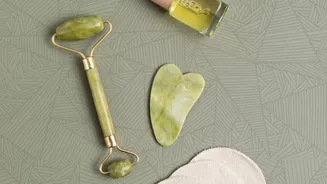
The Kansa wand, a smooth dome-shaped tool made from a metal alloy of copper and tin, has recently gained global popularity. It is used to massage the face, with sellers often claiming its sacred metals pull toxins and acidity from the skin. The reality is that the benefits come from the massage itself. The practice of facial massage boosts circulation and stimulates lymphatic drainage, which helps reduce puffiness and removes metabolic waste. This process can lead to a clearer, more sculpted appearance. The idea that the metal itself is 'detoxifying' by pulling impurities out through the skin is not scientifically supported. The occasional grey residue that appears on the skin is a simple chemical reaction between the metal, the oil used for the massage, and the skin’s own acid mantle—not a sign of toxins being released.