



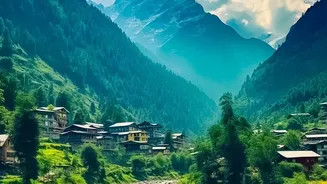
Why Autumn is the Perfect Season
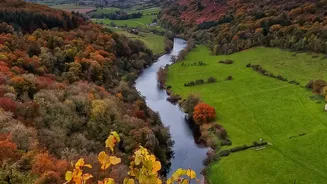
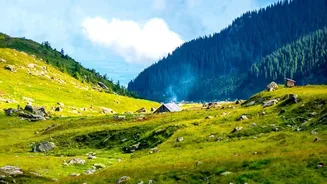
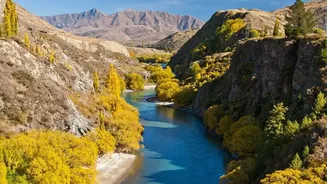
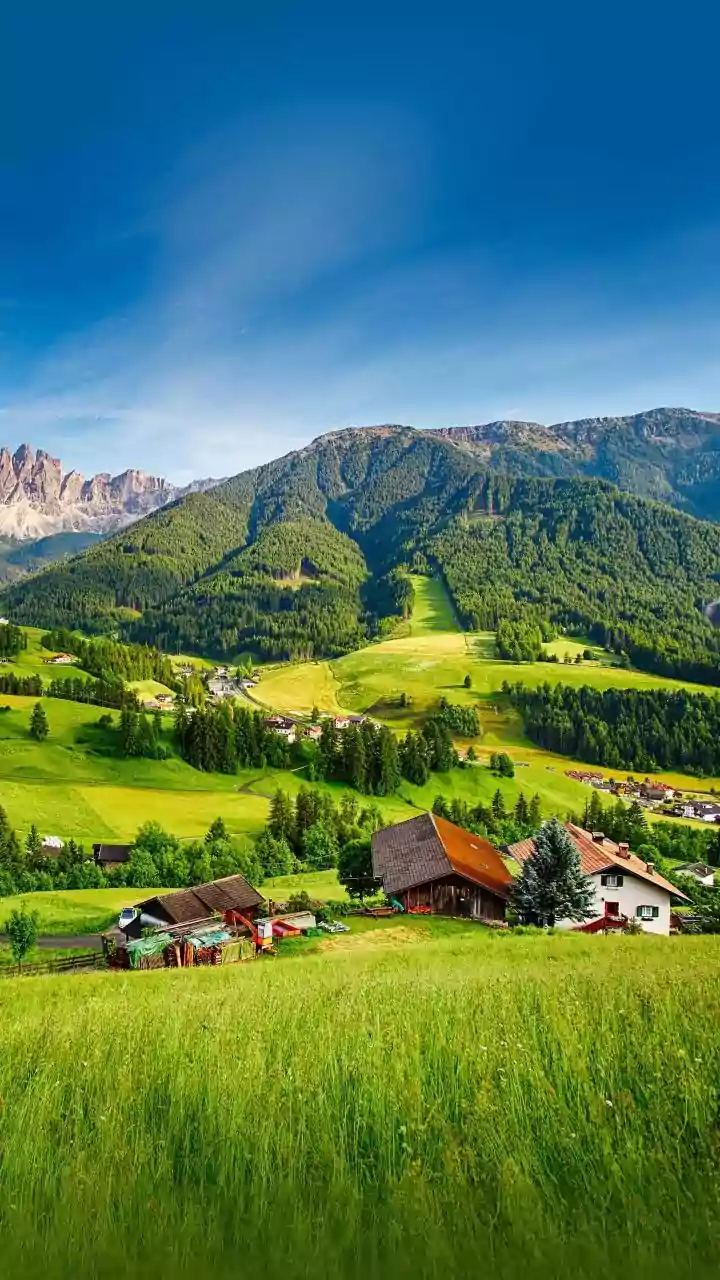
The period from September to November is an ideal time to visit these valleys. The monsoons will have washed the landscape clean, leaving behind lush greenery against brilliantly clear blue skies. The weather is comfortably cool, perfect for daytime explorations,
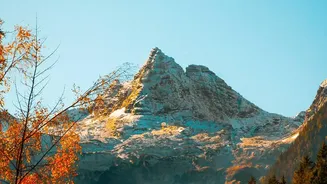
while the nights turn chilly, calling for a cosy bonfire. This post-monsoon window offers stable road conditions and fewer crowds than the summer peak, making it the perfect time for photography, scenic drives, and peaceful stays. The air is crisp, and the views of the surrounding Himalayan peaks are exceptionally clear.
Tirthan Valley: A Riverside Paradise
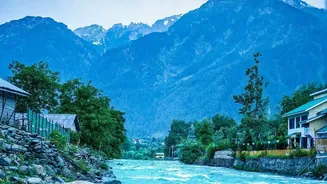
Known as the gateway to the Great Himalayan National Park (GHNP), a UNESCO World Heritage Site, Tirthan Valley is a haven for nature lovers. The valley is named after the pristine Tirthan River that flows through it, its waters famous for trout. The main villages here, like Gushaini and Nagini, offer a glimpse into traditional Himachali life with their charming wooden houses and apple orchards. Days in Tirthan can be spent on gentle nature walks, trying your hand at angling, or simply relaxing by the river with a book. For the more adventurous, several day hikes are available, including a popular walk to the stunning Chhoie Waterfall.
Shoja: The Quiet Hamlet Above
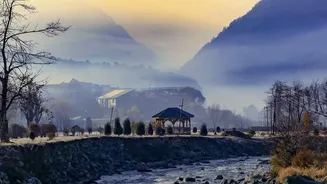
A short, scenic drive up from the main valley lies the tranquil hamlet of Shoja. At a higher altitude, Shoja is quieter and more atmospheric than the lower villages, enveloped in dense deodar and pine forests. It’s a place that truly encourages you to slow down. The pace of life here is unhurried, making it perfect for those looking to disconnect and immerse themselves in mountain silence. The village offers magnificent panoramic views of the snow-clad peaks, especially during the clear autumn months.
Treks and Excursions for Autumn
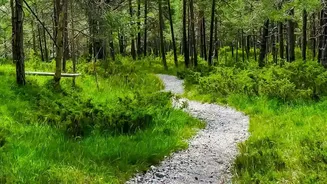
The region around Shoja is the starting point for some of Himachal's most rewarding short treks, which are particularly beautiful in autumn. The drive to Jalori Pass, situated at an altitude of over 10,000 feet, is an adventure in itself and is typically open until late November. From the pass, two popular treks await. The 5-kilometre trail to Serolsar Lake is a relatively easy walk through a dense oak forest, leading to a serene high-altitude lake with a temple on its bank. In the other direction, a shorter but steeper climb takes you to the ruins of Raghupur Fort, which offers breathtaking 360-degree views of the Himalayas.
Embrace Slow Travel: Homestays and Local Life
The best way to experience Tirthan and Shoja is by staying in one of the many family-run homestays or charming wooden cottages. This offers a wonderful opportunity to experience the warm hospitality of the locals and savour authentic Himachali cuisine. Unlike commercial hill stations, these valleys champion a form of slow travel, where the focus is on connection—with nature, with the local culture, and with yourself. Evenings are best spent exchanging stories around a bonfire, gazing at a star-filled sky, and enjoying the profound peace of the mountains.
Practical Guide for Your Trip
Reaching Tirthan Valley involves an overnight journey from Delhi or Chandigarh. The most common route is to take a Manali-bound bus and get off at Aut, from where local taxis and buses are available to take you into the valley. The nearest airport is in Bhuntar, about 50 km away. While exploring, it's wise to carry enough cash as ATMs can be unreliable. For an autumn trip, pack layers of warm clothing, as temperatures can drop significantly, especially at night. Advance booking for accommodation is recommended, even though it's not the peak tourist season.