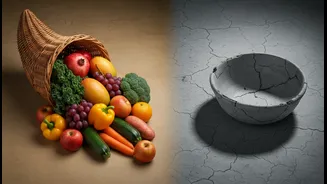






The New Indian Plate
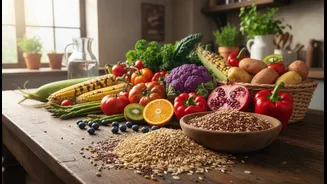
For generations, the Indian diet was defined by its reliance on cereals like rice and wheat. While these staples remain central, consumption patterns are changing. Data reveals a slow but steady decline in the dominance of cereals, compensated by an increased
intake of fats, oils, animal products, and to some extent, fruits and vegetables. This transition is driven by rising incomes, rapid urbanization, and greater exposure to different food cultures. As lifestyles become more sedentary, convenience is also a key factor, leading to a dramatic rise in the consumption of packaged and processed foods. According to a 2022-23 NSSO survey, 96% of households now consume packaged processed foods, a significant jump from 82% a decade earlier. This marks a structural shift away from traditional staples towards a more varied but not necessarily healthier diet.
The Affordability Paradox
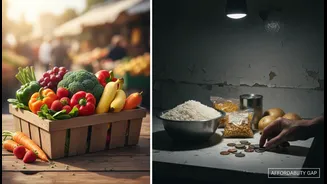
While dietary diversification can signal economic progress, it comes with a catch: affordability. The cost of a healthy, balanced diet remains out of reach for a large portion of the population. Food inflation, especially for nutritious items like vegetables, pulses, and fruits, puts a strain on household budgets, particularly in rural areas where food expenses make up a larger share of income. This often forces families to choose cheaper, energy-dense but nutrient-poor options. Recent data shows food inflation has been a primary driver of overall retail inflation in India. This creates a paradox where, even as incomes rise, the ability to afford a truly nutritious diet doesn't always improve, pushing families towards cheaper, processed alternatives that fill the stomach but lack essential nutrients.
The Shadow of Hidden Hunger
One of the most concerning consequences of this dietary shift is the persistence of 'hidden hunger', or micronutrient deficiency. India bears a staggering burden, with some estimates suggesting over 80% of the population may suffer from deficiencies in key nutrients like calcium, vitamin D, vitamin B12, and iron. While people may be consuming enough calories to not feel hungry in the traditional sense, their diets lack the essential vitamins and minerals needed for healthy development and functioning. This can lead to a host of health problems, including anemia, weakened immunity, and impaired cognitive development, creating a vicious intergenerational cycle of poor health. Even as diets include more varied items, the over-reliance on processed foods and a lack of sufficient fruits and vegetables means hidden hunger remains a severe public health crisis.
The Rise of Lifestyle Diseases
The changing food basket is also closely linked to the growing epidemic of non-communicable diseases (NCDs) like obesity, diabetes, and heart disease. The shift towards diets high in fats, sugars, and salt—often found in ultra-processed foods—is a major contributor. India is now facing a 'double burden of malnutrition', where undernutrition and stunting coexist with rising rates of obesity, sometimes within the same community or even the same household. Between 1998 and 2024, the proportion of women who are overweight or obese has surged from 24% to 43% in urban areas and from 6% to 26% in rural areas. This indicates that the new dietary patterns, while moving away from simple cereals, are introducing a different set of health risks that the nation is still grappling with.