







The Science of a Simple Stroll
When you eat, your body converts carbohydrates into glucose, which enters your bloodstream, causing blood sugar levels to rise. In response, your pancreas releases insulin to help transport this glucose into your cells for energy. However, large or carb-heavy
meals can cause a rapid, high spike in blood sugar, which, over time, can contribute to health issues. This is where a post-meal walk works its magic. When you walk, your muscles contract and need energy. This process allows them to absorb glucose from the bloodstream directly, without relying as much on insulin. This simple act of moving your body helps to blunt the glucose spike, leading to more stable energy levels and better long-term metabolic health.
Taming Blood Sugar, One Step at a Time
The impact of a short walk on blood sugar is not just theoretical; it's well-documented. Multiple studies confirm that light physical activity after a meal is highly effective. Research shows that walking for just 10 to 15 minutes can significantly lower post-meal glucose levels. Some studies suggest this short walk can be just as effective as a much longer walk taken at other times of the day for managing blood sugar. The ideal window for this activity appears to be within 60 to 90 minutes of finishing your meal, which is when blood glucose levels typically peak. By making this a regular habit, especially after your largest meal of the day like dinner, you can improve your body's 24-hour glycemic control. This helps prevent the energy crashes that follow sugar spikes and reduces the strain on your body's insulin response system.
An Added Bonus for Muscle Recovery
While the blood sugar benefit is the star of the show, the headline’s second claim about muscle recovery also holds merit, albeit in a more gentle way. A light walk after eating increases overall blood flow throughout the body. This enhanced circulation helps deliver oxygen and nutrients to your muscles, which is a fundamental component of the recovery process. It can help clear metabolic byproducts that accumulate, especially if you had an earlier workout. While a 15-minute stroll won't replace a dedicated post-workout recovery routine for serious athletes, it contributes to a healthier internal environment that supports your body’s natural repair mechanisms. Think of it less as an intense recovery session and more as a way of promoting better overall physiological function, which includes keeping your muscles well-supplied and ready for your next activity.
How to Make It a Daily Habit
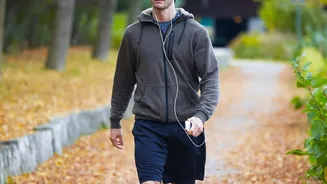
Incorporating this habit into your life doesn't need to be complicated. You don't need to break a sweat; a light to moderate, conversational pace is all that's required. If you work in an office, a stroll around the building or a nearby park after lunch is a perfect opportunity. At home, you can walk around your neighbourhood after dinner, perhaps making it a family activity. Even pacing inside your home while listening to a podcast for 15 minutes can provide the benefit. The key is consistency. Start with one meal, perhaps the one that tends to be your largest. The simplicity and accessibility of a post-meal walk make it one of the most sustainable and effective habits you can adopt for your long-term health and well-being.