




In the morning rush, finding a breakfast that is quick, filling, and genuinely healthy can feel impossible. But the solution might just be hiding in plain sight, in the form of traditional Indian breakfasts that are expertly balanced.
The Macronutrient Trio
Before we dive into
the dishes, let’s quickly talk about macronutrients. These are the three main components of our food that provide energy: carbohydrates, proteins, and fats. Carbohydrates offer fuel, protein is essential for muscle repair and keeping you full, and healthy fats are crucial for absorbing nutrients. A balanced breakfast combines all three, preventing energy crashes and mid-morning snack cravings. Many traditional Indian breakfasts were naturally designed this way, using locally available ingredients to create a complete meal.
Southern Powerhouses: Fermented and Light
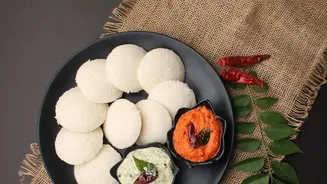
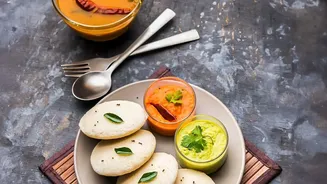
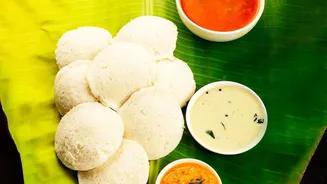
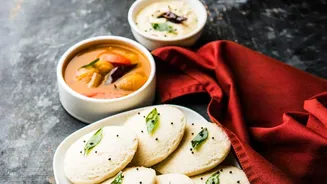
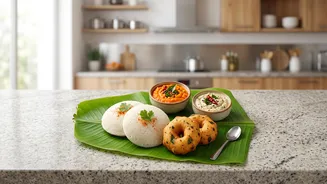
South Indian breakfasts are renowned for being light and easy to digest, largely thanks to fermentation. Take the iconic idli-sambar. A serving of two steamed idlis with a bowl of sambar is a low-calorie meal that excels in balance. The idlis, made from fermented rice and urad dal, provide easily digestible carbohydrates and a modest amount of protein. The magic happens when paired with sambar. A bowl of this lentil-based stew can add a significant protein and fibre boost, making the meal incredibly satiating. A typical serving of two idlis with sambar provides around 10 grams of protein and a good dose of complex carbs.
More from the South
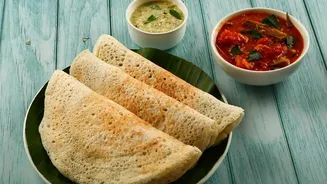
Another favourite is the dosa. While a plain dosa is primarily a carbohydrate source, what you eat with it matters. Like idli, it’s often served with sambar and chutney. A coconut-based chutney adds healthy fats, while the sambar provides that all-important protein. For a truly protein-dense option, look no further than pesarattu (a dosa made from green moong dal) or adai (a pancake made from a mix of lentils), which can contain over 10-14 grams of protein per serving on their own.
Northern Staples: Wholesome and Hearty
Moving north, the breakfast landscape changes but the principle of balance remains. Poha, or flattened rice, is a staple in Western and Central India that’s celebrated for being light yet filling. A plate of poha, cooked with onions, peas, and often garnished with peanuts, offers a fantastic mix of macros. The flattened rice provides carbohydrates for energy, while additions like peas and peanuts contribute protein and healthy fats. It's also a good source of iron, and adding a squeeze of lemon helps your body absorb it better.
The Versatile Paratha
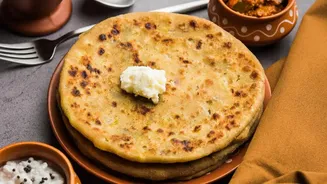
No discussion of North Indian breakfast is complete without the paratha. While a simple aloo paratha (whole wheat flatbread stuffed with spiced potato) can be carb_heavy, it becomes a well_rounded meal when served the traditional way: with a side of curd (dahi). A whole wheat paratha provides complex carbs and fibre. When paired with curd, you add a substantial amount of protein and probiotics, making for a balanced meal that supports gut health. A single aloo paratha served with curd can offer around 13 grams of protein, turning a simple dish into a nutritious start to the day.