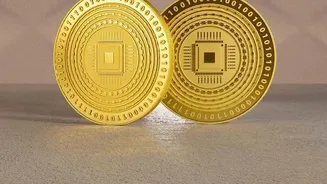







The Gold Story Goes Digital
For generations, gold has been India's favourite way to save and build wealth. It was tangible, traditional, and a symbol of security. However, buying physical gold always involved significant cash, trips to a jeweller, and concerns about purity and storage.
This landscape has been completely transformed by technology. The rise of digital gold has made it possible for anyone with a smartphone to invest in the precious metal. This new method allows young, tech-savvy savers to buy 24-karat gold for amounts as low as ₹10 or ₹100, an unthinkable prospect just a decade ago. Instead of waiting to afford a full gram, they can accumulate it fraction by fraction, turning small, consistent savings into a substantial asset over time. This accessibility has democratised gold investment, shifting it from a high-value, occasional purchase to a regular, manageable savings habit.
What Exactly is 'Digital Gold'?
Digital gold is a modern way to invest in pure gold online without physically holding it. When you buy digital gold through a platform, you are purchasing 24K gold of 99.9% purity that is stored in secure, insured vaults on your behalf by the seller, such as MMTC-PAMP or SafeGold. Every purchase, no matter how small, is backed by an equivalent weight in physical gold. You receive an invoice and a digital certificate of your holding, which you can track 24/7 on a mobile app or website. This eliminates the classic worries of storage and security that come with physical gold. You can buy, sell, or accumulate gold at live market prices anytime. Many platforms also offer the option to redeem your digital holdings in the form of physical gold coins or bars delivered to your doorstep, bridging the gap between digital convenience and physical ownership.
Your Options for Small-Scale Investing
While digital gold is the most direct route for micro-investing, young savers have a few other powerful tools at their disposal: 1. Digital Gold Platforms: Apps like PhonePe, Google Pay, Paytm, and specialized platforms like DigiGold and others allow you to buy gold instantly starting from as little as ₹1. This is the easiest entry point for beginners. You can also set up a Systematic Investment Plan (SIP) to automatically invest a fixed amount, like ₹100, every month. 2. Gold Exchange Traded Funds (ETFs): Gold ETFs are funds that track the price of physical gold and are traded on the stock market like shares. One ETF unit typically represents one gram of gold. While highly liquid and regulated by SEBI, they require a Demat account to invest, and you buy in units, not flexible rupee amounts. 3. Gold Mutual Funds: These are mutual funds that, in turn, invest in Gold ETFs. They are a great option for those who want to invest via an SIP without needing a Demat account. The minimum SIP amount is often around ₹500 or ₹1,000, slightly higher than digital gold's entry point.
Getting Started: A Step-By-Step Guide
Starting your gold accumulation journey with ₹100 is remarkably simple using a digital gold platform. First, choose a trusted platform; many popular payment apps already have this feature integrated. Complete the basic KYC (Know Your Customer) process, which usually just requires your PAN card details. Link your bank account or UPI. Once set up, you can navigate to the 'Gold' or 'Invest' section. You will see the live price of gold per gram. You can choose to buy gold by either entering the amount in rupees (e.g., ₹100) or by weight. After you confirm the purchase, the equivalent amount of 24K gold is instantly credited to your digital vault. The process is transparent, with the platform showing you exactly how much gold you own down to the milligram. You can continue adding to your holdings whenever you have spare funds or set up a recurring SIP for disciplined saving.
Understanding the Costs and Risks
While digital gold is convenient, it’s important to understand the associated costs and risks. Every purchase of digital gold attracts a 3% Goods and Services Tax (GST), similar to buying physical gold. There is also a small difference, or 'spread', between the buying and selling price, which is typically around 2-3%. A key point to remember is that the digital gold industry is not directly regulated by SEBI or the RBI, which makes choosing a reputable provider crucial. For taxation, if you sell your digital gold within 24 months, the profit is a short-term capital gain and is taxed at your income tax slab rate. If you sell after 24 months, the profit is a long-term capital gain, taxed at a flat rate.