


Understanding the Orionid Meteor Shower
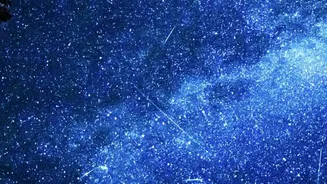
The Orionid meteor shower is one of the most beautiful displays of the year. These shooting stars are actually tiny pieces of debris left behind by the famous Halley's Comet. Each October, as Earth passes through this stream of cosmic dust, the particles
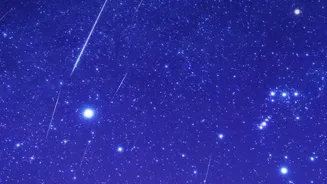
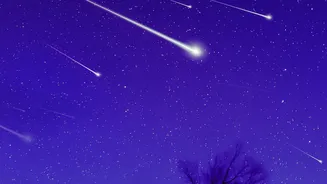
burn up in our atmosphere at incredible speeds—around 66 kilometres per second—creating brilliant streaks of light. The shower gets its name because the meteors appear to radiate from the constellation of Orion the Hunter, which serves as a useful signpost in the sky. While they can appear anywhere, tracing their path backward will lead you toward Orion. In some years, this shower can produce up to 20 meteors an hour under perfect conditions, and it's known for its fast, bright meteors that can sometimes leave glowing trails.
When and Where to Look in 2026
Mark your calendars for the night of October 21-22 and the morning of October 23, 2026, which is the predicted peak of the shower. The best viewing window is in the pre-dawn hours, after midnight. This year, viewing will be a bit challenging as there will be a bright waxing gibbous moon for much of the night. However, there is a window of opportunity for stargazers. The moon is expected to set a few hours before dawn, providing a period of darker skies when your chances of spotting meteors will be best. The radiant of the shower, near Orion, will be high in the sky around 2 a.m., making the hours that follow the prime time to watch.
Beating the City Lights
The biggest challenge for any urban astronomer is light pollution. City lights create a background glow, or skyglow, that can wash out all but the brightest celestial objects. This makes spotting the fainter meteors of the Orionid shower particularly difficult. But don't be discouraged. While you won't get the same experience as someone in a remote, rural area, viewing is still possible. The key is to find the darkest possible spot available to you. Think of local parks, open fields, or even a high-rise rooftop or balcony that is shielded from direct streetlights below. The goal is to minimize direct glare and find a location with a wide, unobstructed view of the sky.
Your Naked-Eye Viewing Guide
You don’t need a telescope or binoculars; in fact, they are not recommended for meteor watching because they restrict your field of view. Your eyes are the only tool you need. First, give your eyes at least 20-30 minutes to fully adapt to the darkness. This means no looking at your phone screen, as the white light will ruin your night vision. Next, find a comfortable position. A reclining chair or a blanket on the ground is perfect to avoid neck strain. Don't stare directly at the constellation Orion. The longest and most spectacular meteor streaks often appear 45 to 90 degrees away from the radiant point. Scan the sky broadly and use your peripheral vision, which is more sensitive to faint light and motion.
Patience and Realistic Expectations
Meteor watching is a game of patience. The term "shower" can be misleading; meteors don't fall like rain. There will be lulls in activity, followed by a sudden, brilliant streak. Given the bright moon and city lights in 2026, you should set realistic expectations. Instead of 15-20 meteors per hour seen in ideal conditions, you might only spot a few. But the thrill of seeing even one or two of these incredibly fast meteors from Halley's Comet blazing across the sky is a truly magical experience. It's a moment of connection to the wider cosmos, a reminder of the beautiful mechanics of our solar system, and a reward for your patience.