





Water-Resistant vs. Waterproof: Know The Difference
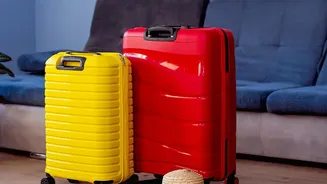
Before you start, it's crucial to understand the distinction between water-resistant and waterproof. Most standard carry-on bags are water-resistant, meaning their fabric can withstand light rain or splashes for a short period. They are typically made
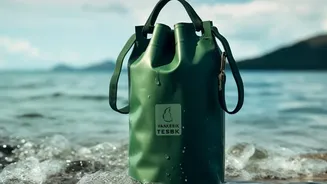
of materials like nylon or polyester with a light coating. However, in a steady drizzle or if left in a puddle, water will eventually seep through, especially at the seams and zippers. Waterproof bags, on the other hand, are designed to be completely impervious to water, even when submerged, using materials like PVC or TPU with sealed seams. For a short post-monsoon trip, you don't necessarily need a fully waterproof bag; you just need to upgrade your existing water-resistant one to handle those surprise showers.
Internal Defence: Your First and Easiest Layer
The most reliable and immediate way to protect your belongings is by waterproofing from the inside out. This method creates a secure barrier within your bag, safeguarding electronics and clothing even if the exterior gets damp. The simplest solution is to use a large, heavy-duty plastic bag as a liner. Place it inside your empty carry-on, pack your items within it, and then twist or roll the top to seal it. For even better organisation and protection, invest in dry bags. These are lightweight, reusable sacks with roll-top closures designed to be completely watertight, making them perfect for electronics, documents, and a change of clothes. Even packing cubes or Ziploc bags can offer a good degree of separation and protection for smaller items.
External Shielding: Sprays and Covers
To stop water before it even touches your bag's fabric, an external treatment is key. The most popular method is using a waterproofing spray, often called a Durable Water Repellent (DWR) spray. These products create an invisible hydrophobic layer that causes water to bead up and roll off. Available online and in stores across India, brands offer eco-friendly, non-toxic options safe for fabrics like canvas, nylon, and even leather. Application is simple: clean your bag, let it dry, and then spray evenly from a distance, paying extra attention to seams. Allow it to dry completely before use. For a non-spray option, a backpack rain cover is an excellent, portable solution that slips over your entire bag, offering immediate protection.
Quick DIY Solutions for a Tighter Budget
If you're short on time or prefer a do-it-yourself approach, there are effective methods using common household items. For canvas or cotton bags, a beeswax treatment can work wonders. You can buy a bar of waterproofing wax or make your own blend. Simply rub the wax generously over the entire surface of the bag, then use a hairdryer to gently melt it into the fabric, creating a water-resistant seal. Pay close attention to the seams, which are the most vulnerable points for leaks. While this method requires a bit more effort, it provides a durable and natural finish that repels water effectively for your vacation.
Thinking Long-Term: What to Look for in a New Bag
If you travel often during shoulder seasons, investing in a bag with better weather protection might be worthwhile. When shopping, look for bags made from materials like PU-coated polyester, PVC, or TPU. Check the zippers; many water-resistant bags feature covered or specially designed zippers to prevent water from seeping through. Another key feature is sealed or taped seams, which stop leaks at the stitching lines—a common weak point in many standard bags. While you don't need a bag built for extreme expeditions, choosing one with these enhanced features will give you permanent peace of mind for all your future travels, rain or shine.