





Leafy Green Vegetables
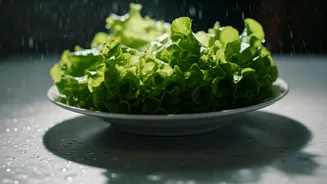
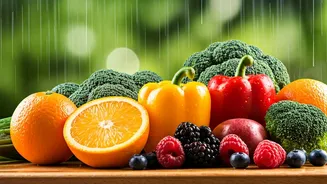
Spinach, cabbage, and lettuce are nutritional powerhouses, but they become hazardous during the monsoon. Growing close to the ground, their leaves can easily trap grime, mud, and germs from the damp soil. The intricate folds and surfaces make them difficult
to clean thoroughly, even with careful washing. This high contamination risk can lead to stomach infections. Health experts often recommend opting for well-cooked vegetables like bottle gourd (lauki) or bitter gourd (karela) during this season, which are less prone to such issues.
Street Food Delicacies
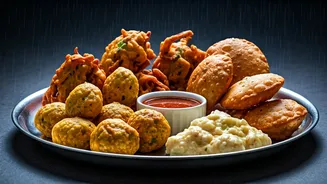
The craving for hot pakoras or spicy chaat intensifies with the rain, but so do the health risks. Street food vendors often operate in open-air conditions where maintaining hygiene is a challenge, especially with waterlogged surroundings. The water used for preparing items like golgappa and various chutneys can be a primary source of contamination, leading to waterborne diseases like typhoid and cholera. The high humidity also causes ingredients to spoil faster, making these tempting treats a significant gamble for your digestive health.
Seafood and Fish
The rainy season is the breeding period for most fish and other marine life, which can affect their freshness and quality. Heavy rains wash pollutants from the land into rivers and seas, increasing water contamination. This can lead to fish containing higher levels of harmful bacteria or pollutants. Furthermore, transportation and storage become challenging in the humid weather, accelerating spoilage and raising the risk of food poisoning. It is often advised to either avoid seafood or be extremely cautious, ensuring it is incredibly fresh and cooked thoroughly.
Pre-cut Fruits and Salads
While convenient, fruits and vegetables that are cut and sold have a higher risk of contamination. Once the protective peel is removed, the produce is exposed to the air for long periods. In the high humidity of the monsoon, this exposure creates a perfect environment for bacteria to multiply. Consuming raw items like salads or pre-cut fruit platters increases your chances of ingesting these harmful microbes, potentially leading to gastrointestinal infections. It is safer to buy whole fruits and vegetables, wash them thoroughly at home, and cut them just before eating.
Mushrooms
Mushrooms grow in damp soil and thrive in humid conditions, which makes them particularly risky during the monsoon. They have a porous structure that can easily absorb contaminants and harbor bacteria from the soil they grow in. While commercially grown mushrooms from reliable sources are generally safer, wild mushrooms that sprout during this season can be particularly dangerous. The risk of bacterial and fungal contamination is high, so it is best to be very selective about the source or avoid them altogether to prevent potential foodborne illness.
Fried and Oily Foods
The rainy season can make our digestive system sluggish. Indulging in heavy, oily, and fried foods can put extra strain on your stomach, leading to issues like bloating, acidity, and indigestion. While a hot samosa might seem like the perfect monsoon snack, these foods are often prepared in reused oil at street stalls, which can be detrimental to health. Opting for lighter, home-cooked meals can help keep your digestive system happy and your energy levels stable during the damp weather.
Dairy Products
Milk, paneer, and curd are highly perishable and spoil much faster in the humid monsoon weather. The moisture in the air encourages the rapid growth of bacteria, even in pasteurized products, once they are opened. Dairy products that are not stored at the correct temperature can become a source of stomach infections. It is crucial to buy fresh dairy from trusted sources, refrigerate it immediately, and consume it quickly. Making curd at home from boiled milk is often a safer alternative to buying it from outside during this season.
Raw Sprouts
Raw sprouts are often hailed as a health food, but they pose a significant risk during the monsoon. The warm, humid conditions required to sprout beans and seeds are also the ideal conditions for bacteria like E. coli and Salmonella to flourish. Even with thorough washing, it can be difficult to eliminate all the bacteria that might have grown along with the sprouts. Consuming contaminated raw sprouts can lead to serious food poisoning. During the rainy season, it is much safer to cook sprouts thoroughly before eating them.