



The Germ Hotspot in Your Home
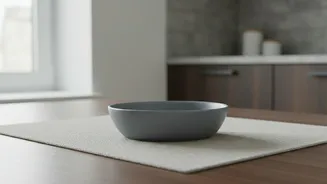
That slimy film you might feel inside your pet’s water bowl has a name: biofilm. It's a sticky, glue-like substance that bacteria create to protect themselves, making them harder to eliminate. Studies have found that pet food bowls are among the most
contaminated items in the average household, sometimes ranking as high as the fourth germiest place. They can become breeding grounds for harmful bacteria like Salmonella, E. coli, and Listeria. This isn't just a problem for kibble; even dry food bowls can harbor bacteria, as leftover crumbs and saliva create the perfect environment for microbes to thrive. These germs don't just pose a threat to your pet, who might suffer from stomach upset or other infections; they can also pose a risk to the people in your home.
The Danger of Cross-Contamination
Washing your pet's bowl in the same sink and with the same sponge as your family's dishes is a recipe for cross-contamination. Bacteria from the pet bowl can easily transfer to the sink basin, your dish sponge, and then onto your own plates and cutlery. This risk is especially concerning for households with young children, elderly individuals, or people with compromised immune systems, who are more vulnerable to infections. The U.S. Food and Drug Administration (FDA) specifically recommends using a separate sponge or brush for pet dishes to avoid this very issue. It’s a simple separation of duties that can have a significant impact on your household's overall hygiene and safety.
The Right Way to Wash: A Step-by-Step Guide
Following proper cleaning protocol is simple and effective. The FDA recommends washing pet food bowls, scoops, and utensils with soap and hot water after every single use. For a thorough clean, first scrub the items with a dedicated sponge or brush and hot, soapy water. If the bowls are dishwasher-safe, using a dishwasher is an excellent option, as the high heat settings can effectively sanitize them. For an even deeper clean, you can disinfect the bowls weekly. After washing, soak them for about ten minutes in a solution of diluted household bleach (about 1/4 cup of bleach per gallon of water), then rinse them thoroughly and let them air dry completely before their next use.
Don’t Forget Scoops, Mats, and Materials
The advice to wash separately extends beyond just the bowl. Food scoops should never be left in the food bag where they can accumulate bacteria and re-contaminate the food with every scoop. They should be washed just as frequently as the bowls. The feeding mat underneath the bowls is another area that collects spilled food, water, and saliva, making it a prime spot for bacterial growth. Wipe up spills promptly and wash the mat regularly according to its material. When choosing bowls, stainless steel is often recommended by veterinarians because it is non-porous and resists scratches, which can harbor bacteria. Plastic bowls, on the other hand, can easily get scratched, creating tiny crevices where germs can hide and multiply.