



A Spectacular Dance: The Moon and Jupiter
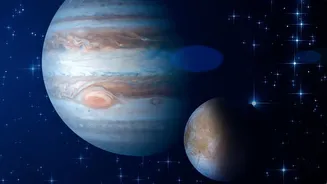
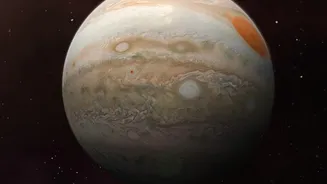
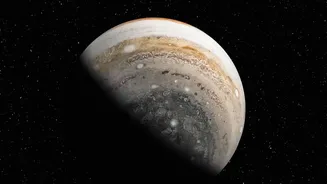
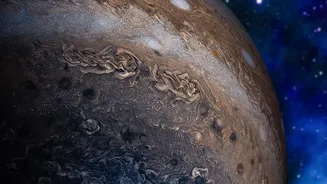
The main event this October is a stunning encounter between our Moon and the giant planet Jupiter. In the pre-dawn hours of October 6, a beautiful waning crescent Moon will appear incredibly close to the brilliant planet. For observers in parts of North
and Central America, the event will be even more dramatic: a lunar occultation, where the Moon passes directly in front of Jupiter, causing the planet to temporarily disappear from view. While the full occultation is location-specific, the close conjunction itself will be a breathtaking sight for early risers everywhere, visible in the eastern sky before sunrise. You won't need a telescope to see the two bright objects side-by-side, but a pair of binoculars will make the view even more special, potentially revealing Jupiter's largest moons as tiny pinpricks of light. This cosmic pairing is a perfect photo opportunity and a reminder of the constant motion of our solar system.
The Hunter's Moon Rises
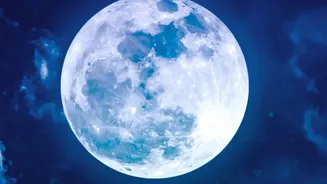
October's full moon, traditionally known as the Hunter's Moon, will reach its peak illumination on Monday, October 26. However, the best time to watch it is the evening before, on Sunday, October 25, as it rises above the eastern horizon around sunset. This is when the famous “Moon Illusion” makes it appear enormous and cast a beautiful orange or reddish hue. The name dates back centuries and is tied to the seasons. It follows the Harvest Moon, rising at a time when fields were cleared of crops, making it easier for hunters to spot animals in the bright moonlight as they prepared for the coming winter. Other traditional names for October's full moon include the Falling Leaves Moon and the Freezing Moon, all reflecting the changes of autumn in the Northern Hemisphere. Find a spot with a clear view of the horizon and enjoy the sight of this brilliant full moon lighting up the autumn night.
The Seven Sisters and the Moon
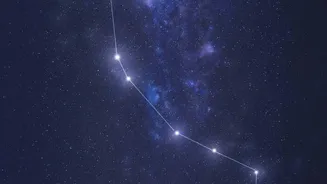
The headline-making events continue later in the month. On the night of October 27-28, the Moon will pass very close to the famous Pleiades star cluster, also known as the Seven Sisters or Messier 45. This beautiful open cluster of bright, blue-white stars is located in the constellation of Taurus and is one of the most easily recognizable sights in the night sky. The bright Moon gliding past this glittering cluster will be a stunning sight for the naked eye, and even more so through binoculars, which will reveal dozens of the cluster's stars. For some observers, the Moon will actually pass in front of some of the cluster's stars in a lunar occultation. The Pleiades cluster has long been associated with this time of year, with some cultures linking its appearance to festivals like Samhain, a precursor to modern Halloween.
More October Sky Treasures
Beyond the main attractions, October offers even more reasons to look up. Early in the month, on October 4, Saturn reaches opposition. This is when Earth passes directly between the Sun and Saturn, making the ringed planet appear at its biggest and brightest for the year, visible all night long. October also hosts two meteor showers. First, the Draconids peak on October 8-9. While a minor shower with only about 10 meteors per hour, viewing conditions will be perfect thanks to a nearly moonless sky. Later, the more prolific Orionid meteor shower peaks on the night of October 21-22. Produced by debris from the famous Halley's Comet, the Orionids can produce up to 20 fast, bright meteors per hour. A bright moon will interfere in the evening, so your best bet is to watch in the pre-dawn hours after the Moon has set.