





The Search for the Road Less Travelled
First, what exactly is a 'secondary destination'? Think of it as choosing Vietnam over Thailand, Georgia over Switzerland, or exploring the lesser-known towns of Japan instead of just Tokyo. For decades, the Indian international travel dream was defined
by a handful of places, often seen in Bollywood films or recommended by family. Now, travellers are actively seeking more unique and personal journeys. This shift is driven by a desire for new stories and experiences that feel authentic, not just a repeat of someone else's vacation. The goal is no longer just to see the world, but to experience it differently. Travellers want to return with a story their friends haven't heard before.
The Economics of Discovery
One of the most powerful motivators is simple economics. As travel becomes a more regular indulgence rather than a once-in-a-lifetime event for many, value for money is paramount. Secondary destinations in regions like Eastern Europe, Southeast Asia, and Central Asia often offer significantly lower costs for accommodation, food, and activities. A budget that might cover a short, restricted trip to a primary Western city could fund a longer, more immersive experience elsewhere. This financial advantage allows travellers to explore more freely, stay in better accommodation, or extend their trips without breaking the bank, making international travel more accessible and frequent.
Fatigue from 'Overtourism'
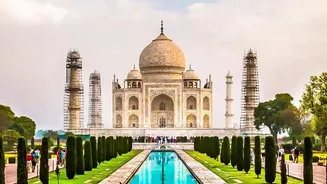
The world's most famous landmarks are often groaning under the weight of their own popularity. Long queues, crowded streets, and inflated prices at tourist hotspots can diminish the joy of travel. Many Indian travellers are now consciously choosing to avoid this. This phenomenon, known as 'overtourism,' has made quieter destinations more appealing. The post-pandemic world has also amplified the desire for space and less crowded environments. A survey even before the pandemic showed that 62% of Indian travellers wanted to play a part in reducing overtourism, a figure higher than the global average. Choosing a less-trodden path is a direct response to this, offering a more relaxed and meaningful connection with the place.
The All-Important Visa Advantage
For anyone with an Indian passport, visa applications can be a significant hurdle, involving paperwork, appointments, and uncertainty. This has made countries with friendly visa policies incredibly attractive. Nations offering visa-free entry, visa-on-arrival, or simple e-visa processes are actively winning over Indian tourists. Destinations in Southeast Asia like Thailand, Malaysia, and Sri Lanka, and even further-flung places, have seen a surge in interest partly due to their accessible entry requirements. This logistical ease removes a major point of friction, making spontaneous or quick trips much more feasible and positioning these countries as low-hassle getaways.
Curated by the Algorithm
The age of the travel agent's brochure is over; we now live in the era of the Instagram Reel and the YouTube travel vlog. Social media has become a primary source of travel inspiration, and with it comes a hunger for 'brag-worthy' and visually unique content. While Paris and London are beautiful, their landmarks have been photographed millions of times. A stunning landscape in Azerbaijan or a colourful street in Colombia, however, stands out on a social media feed. Influencers and everyday travellers alike are venturing to these offbeat spots, creating a cycle of discovery and desire. Seeing a friend or a favourite creator explore a new, exciting place makes it feel more achievable and aspirational.
Greater Connectivity from Indian Cities
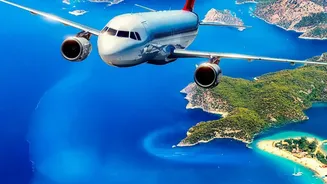
The trend is also supported by practical logistics. Airlines are increasingly launching direct or one-stop flights from major Indian hubs like Delhi, Mumbai, and Bengaluru to a wider array of global cities. What was once a multi-leg, exhausting journey to a place like Vietnam or Kenya is now a much simpler affair. As air connectivity improves, these secondary destinations become more viable for shorter holidays. The expansion of budget airlines into these international routes has also played a crucial role, bringing down the cost of the flight, which is often the single biggest expense of an overseas trip.