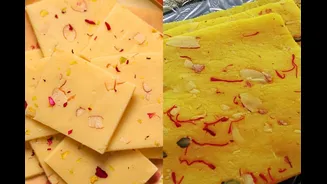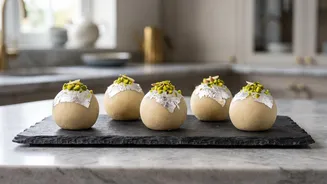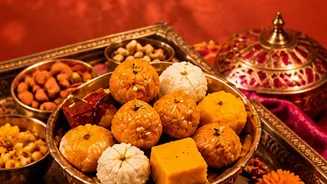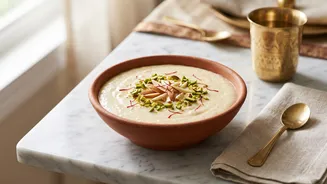



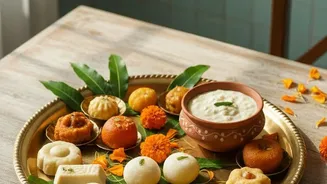
For generations, the diamond-shaped, silver-leaf-adorned Kaju Katli has been the undisputed star of Indian festivities. But this Diwali season, the classic sweet is getting a decidedly modern, chic, and bite-sized makeover: as a truffle.
What is a Kaju Katli Truffle?
Imagine the familiar,
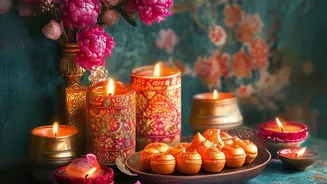
creamy cashew fudge you love, but instead of being flattened and cut, it’s rolled into a perfect sphere. This little ball of joy is then often filled with a surprise centre—think rose-flavoured gulkand, a pinch of saffron, or a crunchy pistachio. The final touch is a decadent coating. Some are dipped in dark, milk, or white chocolate, while others are dusted with cocoa powder, rolled in crushed nuts, or sprinkled with edible glitter. The result is a dessert that has the soul of Kaju Katli but the sophisticated, pop-in-your-mouth form of a gourmet chocolate truffle. It’s a textural and visual upgrade that transforms the humble mithai into a piece of confectionery art.
Not Just Kaju Katli
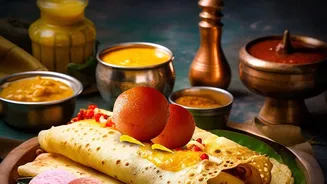
This innovative spirit isn’t limited to just one sweet. Across India, a creative wave is sweeping through the traditional mithai landscape. Halwais and contemporary dessert chefs are asking, 'What if?'. What if a Motichoor Ladoo wasn't a ball, but the base of a cheesecake? What if Gulab Jamun was nestled inside a fluffy doughnut or a delicate cupcake? This has led to a fascinating explosion of fusion creations. We're seeing everything from Rasmalai Tres Leches cakes and Paan-flavoured macarons to Jalebi-inspired waffles. These creations aren't about replacing the originals; they're about expanding the very definition of what an Indian dessert can be, offering new experiences for a generation with a global palate.
Why Reinvent a Classic?
The drive to modernise mithai comes from several places. Firstly, there’s the changing Indian consumer. Younger generations, exposed to global dessert trends like macarons, artisanal chocolates, and cupcakes, are seeking novelty and sophistication in their traditional sweets. Secondly, there is the 'Instagram effect'. A classic barfi is delicious, but a beautifully crafted Kaju Katli truffle or a layered Motichoor jar cake is far more visually striking and shareable on social media. This visual appeal is a powerful marketing tool for new-age sweet brands. Finally, this reinvention is a strategic move to elevate Indian sweets into the premium and luxury gifting space, allowing them to compete with international chocolates and pastries, especially during festive seasons like Diwali.
Tradition vs. Innovation
Of course, not everyone is rushing to swap their classic ladoo for a lavender-infused version. The trend has sparked a gentle debate between purists and progressives. For traditionalists, the charm of mithai lies in its authenticity and the nostalgia associated with recipes passed down through generations. They argue that the original flavours and forms are timeless and shouldn't be tampered with. On the other side, culinary innovators and a growing number of consumers see this as a natural evolution. They believe that food, like culture, should adapt and grow. For them, fusion is not a betrayal of tradition but a celebration of it, introducing classic flavours to new audiences in exciting and unexpected ways.