
Understanding the New CAFE-III Norms
The government has announced the third phase of its Corporate Average Fuel Economy norms, known as CAFE-III, which will be effective from April 1, 2027, to March 31, 2032. Unlike vehicle-specific emission rules like BS6, CAFE norms don't target a single
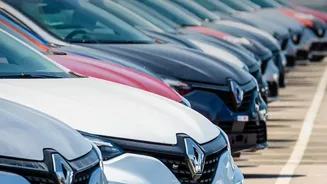
car model. Instead, they regulate the average fuel efficiency of a manufacturer's entire fleet of passenger vehicles sold in a year. This means a carmaker can sell some less-efficient vehicles, like large SUVs, as long as they balance them out by selling a sufficient number of highly efficient models, such as small cars, hybrids, or electric vehicles (EVs). The targets will get progressively tighter each year, aiming for an overall improvement of about 16.7% in fleet fuel efficiency by 2032.
The Big Push for EVs and Hybrids
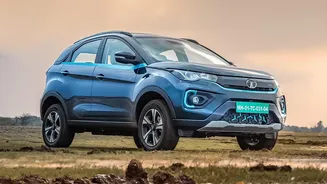
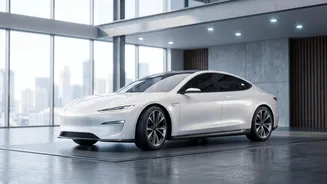
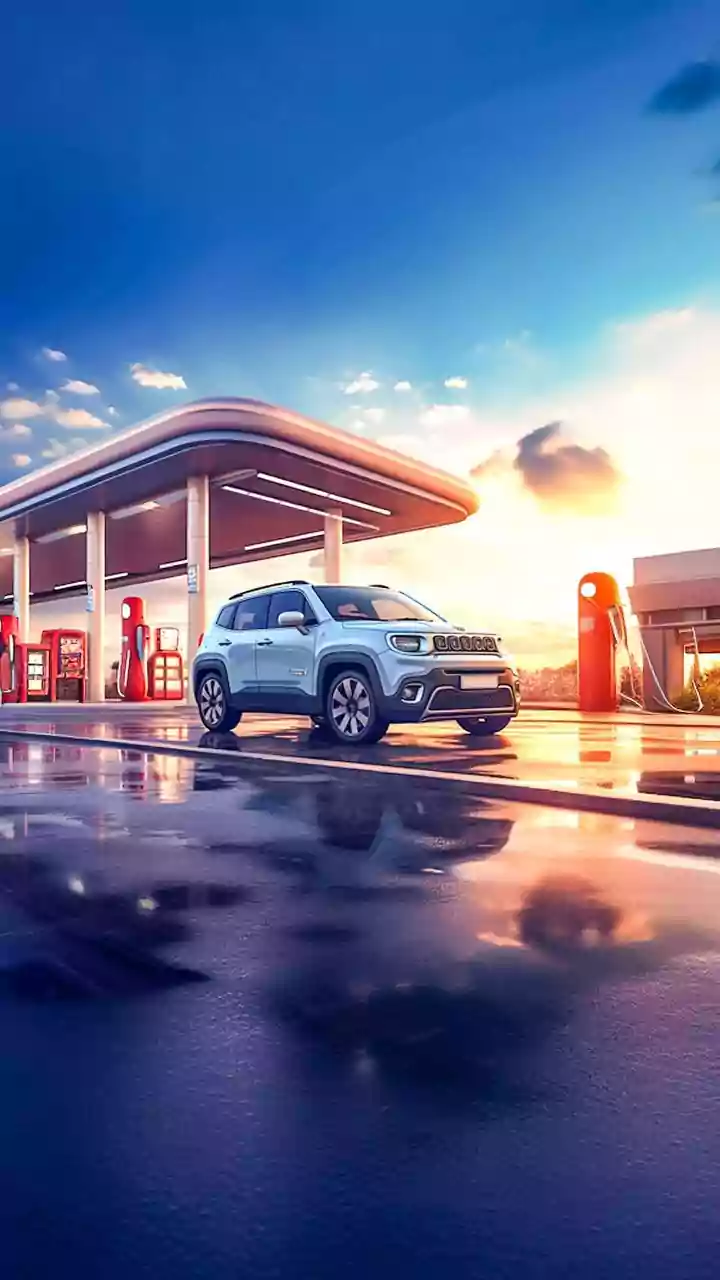
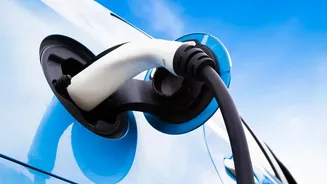
The CAFE-III rules are designed to heavily incentivise electrification. To make it easier for automakers to meet their fleet averages, the framework gives extra weightage to cleaner vehicles. Battery Electric Vehicles (BEVs) and Range-Extended Electric Vehicles (REEVs) will receive a "3x super-credit," meaning each EV sold will count as three vehicles for compliance calculations. This gives manufacturers a powerful mathematical tool to offset sales of more traditional petrol or diesel cars. Strong hybrids and other alternative fuel vehicles also receive significant, though smaller, benefits. This structure sends a clear signal: electrification is the fastest path to compliance, encouraging carmakers to accelerate the launch and sale of EVs and hybrids in India.
What Happens to Small Cars and Diesels?
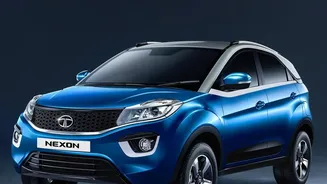
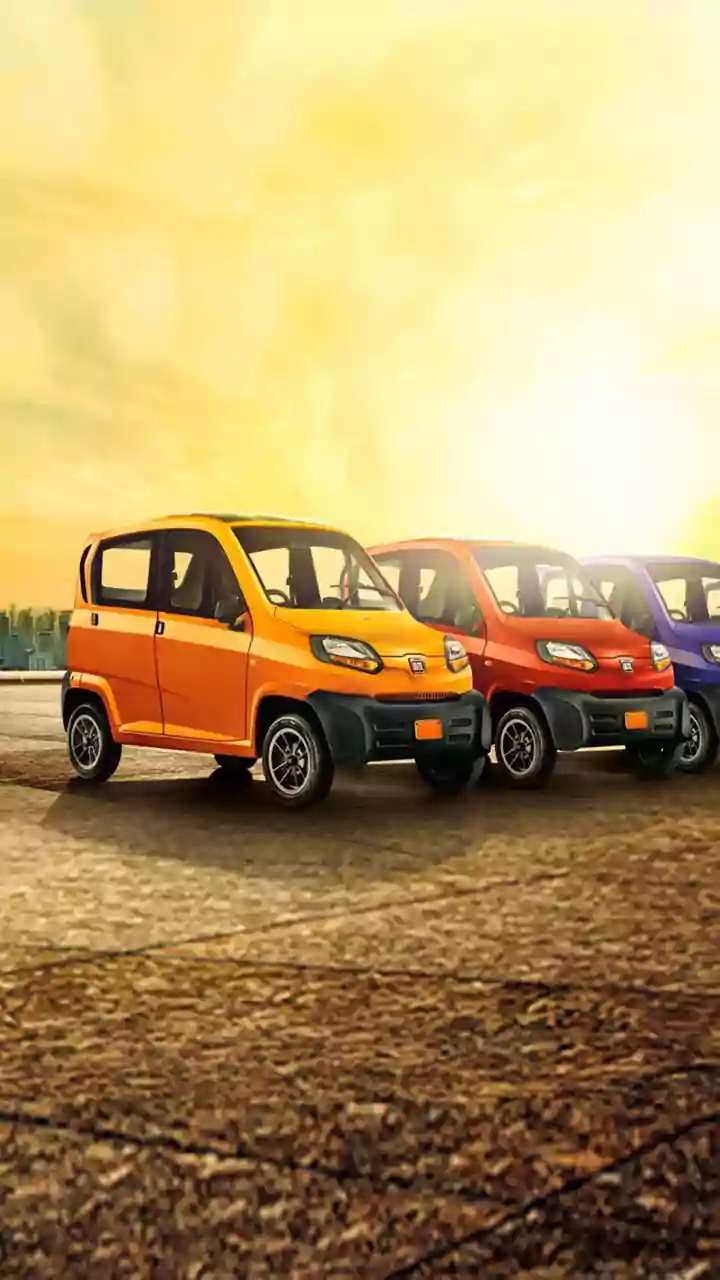
The future for traditional small petrol cars and diesel engines is becoming more complex. While there is no special concession for small cars, the final rules have adjusted the weight-based formula to provide relatively softer targets for lighter vehicles compared to heavier ones. This may help keep affordable small cars viable. However, the pressure to improve efficiency across the board remains. For diesel, the story is one of consolidation. Stricter emission standards under BS6 Phase 2 have already made diesel engines more expensive and complex. While diesel is expected to disappear from small cars and sedans, it will likely remain a popular choice for larger SUVs and utility vehicles where its torque and fuel efficiency for long-distance driving are still valued. Its overall market share, however, is expected to remain a niche rather than mainstream.
More Than Just Engines: New Tech and Flexibility
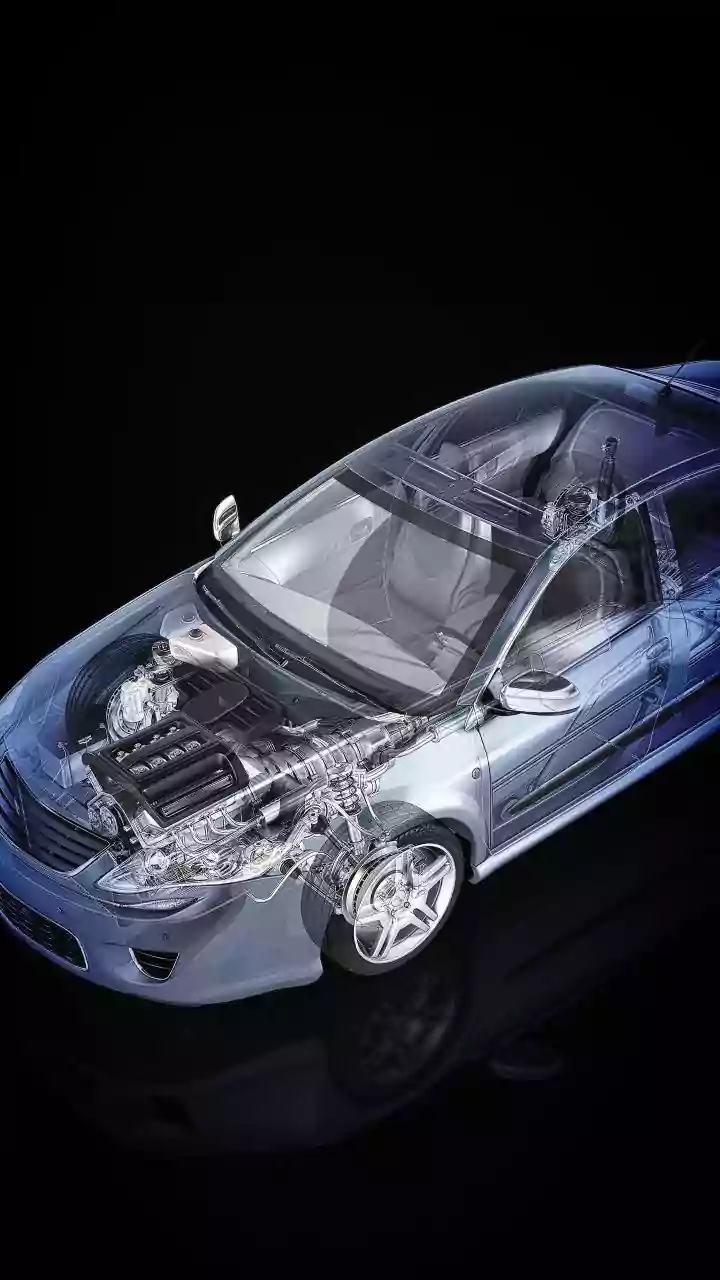
Meeting these targets isn't just about selling more EVs. The CAFE-III framework also recognises a dozen different fuel-saving technologies that can help carmakers improve their fleet average. These include features like start-stop systems, tyre-pressure monitoring, 6-speed or higher transmissions, and even high-efficiency air-conditioning. Furthermore, the new rules introduce a formal credit trading system. If a manufacturer over-complies and surpasses its annual target, it can bank those credits or sell them to another automaker that is struggling to meet its goal. This market-based mechanism provides the industry with greater flexibility and a more cost-effective way to achieve the nation's overall emission reduction goals.
How This Affects Your Next Car Purchase
For the average car buyer, these regulatory shifts will translate into noticeable changes in the market over the next few years. You can expect to see a much wider variety of electric and strong hybrid models available across different price points as manufacturers lean on them to meet compliance. Petrol engines will continue to become more efficient, often incorporating technologies like turbocharging and mild-hybrid systems. While the popular SUV segment will continue to thrive, expect these vehicles to come with more efficient powertrain options, including petrol, hybrid, and diesel variants for larger models. The era of cheap, basic diesel hatchbacks is largely over, but the push for overall efficiency means that running costs could improve across the board, even for conventional petrol cars.