






A Summit with Down-to-Earth Goals
In the heart of India's tech hub, Bengaluru, leaders from the world's major space-faring nations gathered not just to talk about exploring the cosmos, but about saving our planet. The G20 Space Economy Leaders Meeting (SELM) served as a landmark event,
shifting the focus of space exploration. The theme was clear: space technology is no longer just for scientific curiosity or national prestige. It's a critical tool for managing the most pressing issues on Earth, from disaster management to agriculture and, most importantly, climate change. The discussions in Bengaluru crystallised a growing consensus: the immense power of space assets must be harnessed for the collective good, particularly in building resilience against climate-related threats.
The New Era of Space Diplomacy
For decades, space diplomacy was an extension of the Cold War, a competition for dominance between superpowers. Today, the landscape is radically different. Instead of a bipolar race, we see a multipolar and increasingly collaborative environment, where partnerships are the new currency. The new definition of success isn't just planting a flag, but sharing data that can save lives. This evolution is driven by the recognition that global challenges like climate change require global solutions. Nations are forming alliances to build and launch satellites that monitor environmental changes, with agreements focused on sharing the resulting data to help all countries, especially developing ones, prepare for a warmer world.
How Satellites Fight Climate Change
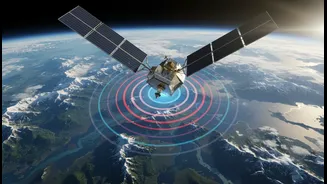
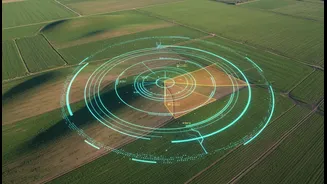
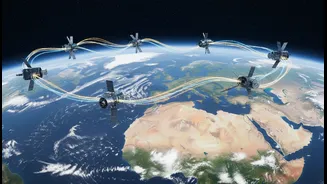
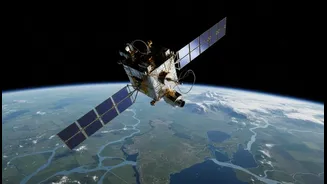
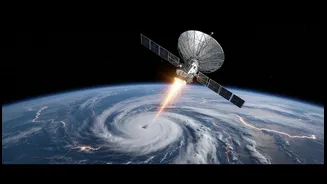
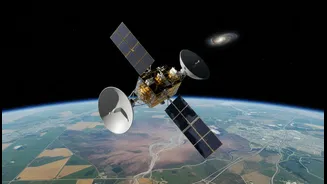
So, how exactly does a satellite in orbit help a farmer on the ground? The answer lies in Earth observation. More than half of all essential climate variables can only be measured from space. Satellites operated by agencies like ISRO provide a continuous stream of data on everything from sea-level rise and glacier melt to soil moisture and atmospheric carbon levels. For India, this has been revolutionary. The INSAT and Oceansat series of satellites are crucial for tracking cyclones in the Bay of Bengal, providing early warnings that save countless lives. They monitor the Himalayan glaciers, offering vital information on water resources and flood risks. This data helps authorities manage water resources during droughts, aids farmers in planning their crops, and enables rapid response during floods and wildfires.
India's Leadership from Above
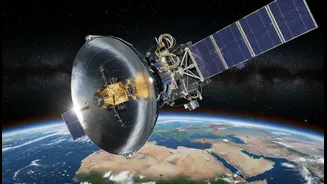
India has positioned itself as a leader in this new paradigm. Through ISRO, the country has not only developed a robust constellation of Earth-monitoring satellites but has also been a proponent of sharing this technology for regional and global benefit. Joint missions like the Indo-French MEGHA-TROPIQUES and the ambitious NASA-ISRO Synthetic Aperture Radar (NISAR) satellite exemplify this collaborative spirit. The NISAR mission, in particular, is set to be a game-changer, providing the most detailed picture yet of changes on Earth's land and ice surfaces. This data, which will be openly available, will help scientists globally to better understand climate change and improve disaster response models, reinforcing India’s role as a responsible and pivotal space power.
Challenges on the Horizon
Despite the promise, this new era of space diplomacy is not without its challenges. The sheer volume of data from satellites is enormous, and the key is ensuring it can be processed, interpreted, and delivered to the people who need it most—from a national policymaker to a local village council. Furthermore, geopolitical tensions can still spill over into space, complicating data-sharing agreements. The growing number of satellites also raises concerns about space debris and the long-term sustainability of orbital activities. Overcoming these hurdles will require even stronger international frameworks and a continued commitment to the idea, championed at meetings like the one in Bengaluru, that space is a shared resource for the benefit of all humanity.