





The Mounting Pressure
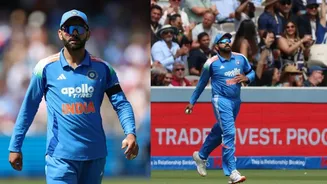
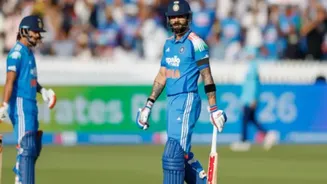
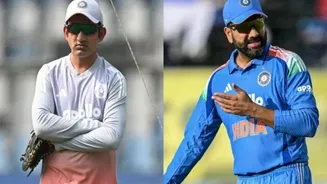
Coming into the series-deciding third ODI against England, Rohit Sharma was a man under immense pressure. Following a couple of low scores in the series and an eight-month stretch without a century, the questions about his future were becoming unavoidable.
Pundits and fans alike wondered if the veteran opener, now 39, still had the reflexes and hunger to compete at the highest level, especially with the 2027 World Cup on the horizon. Reports circulated suggesting that selectors were preparing to look past the former captain, making every low score feel like another nail in the coffin of a glittering career. The stage was set for a match that felt less like a series final and more like a public referendum on his future.
An Answer Written at the Home of Cricket
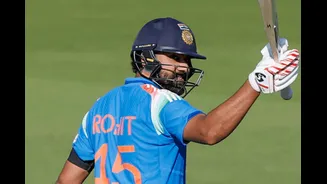
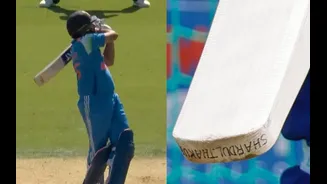
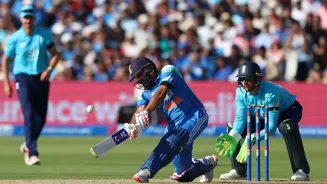
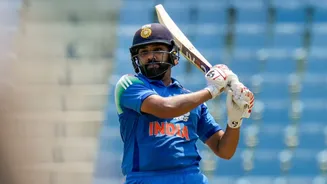
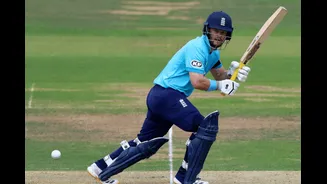
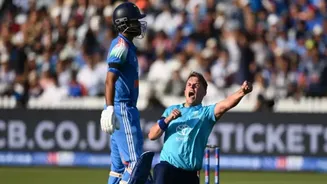
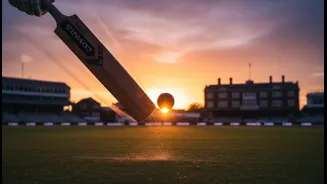
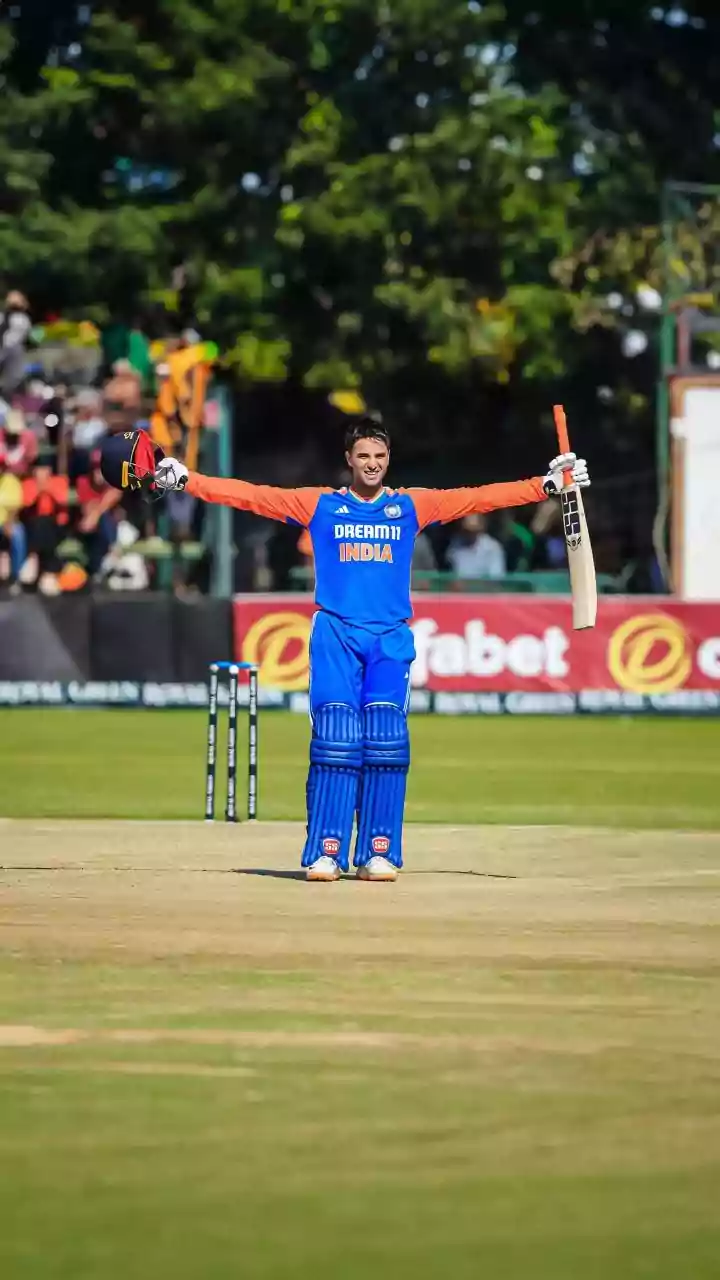
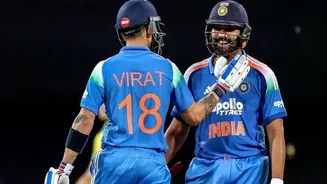
If you are going to make a statement, there is no better place than Lord's. In a high-stakes chase against England's mammoth total of 387, Rohit walked out to bat on a ground where he, and indeed India, had historically found little ODI success. He had never scored a one-day century at the iconic venue. But on this day, he didn't just get a hundred; he crafted a masterpiece of defiance. His spectacular 138 off just 110 balls was not just a score, but an emphatic answer to his critics. The innings was a blend of caution and aggression, seeing off the new ball before unleashing an array of powerful strokes, including trademark front-foot pulls and audacious scoops. Reaching his fifty with back-to-back boundaries, he later launched consecutive sixes to storm through the nineties.
Rewriting the Record Books
This was more than just a personal triumph; it was a history-making knock. With his century, Rohit became the first Indian men's cricketer to ever score an ODI hundred at Lord's, achieving a feat that had eluded legends for decades. At 39 years and 80 days, he also became the oldest Indian to score a century in any international format, surpassing the record previously held by Sachin Tendulkar. The innings was his eighth ODI hundred in England, cementing his status as one of the most dominant visiting batters in the country. It was a powerful reminder from the 'Hitman' that while form may be temporary, his class is undeniably permanent.
The Narrative Silenced
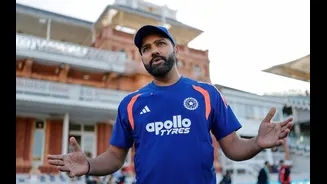
As the Lord's crowd rose to give him a standing ovation upon his dismissal, the conversation had fundamentally shifted. His own captain, Shubman Gill, dismissed the retirement talk as media speculation, confirming there had been no such discussion within the team. In a post-match interview, Rohit himself brushed aside the "outside noise," stating his job was simply to represent his country with the bat, as he has done since his debut. Former players and experts lauded the innings, with many noting that he shines brightest under pressure. Though India fell short in the chase and lost the series 2-1, Rohit's innings was the day's biggest victory. He didn't just score runs; he bought himself time and forced a re-evaluation from those ready to write him off.