






Less Milk in the Pail
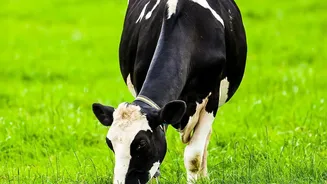
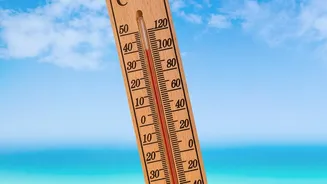
The most direct consequence of heat stress is a drop in milk production. When cattle and buffaloes are exposed to high temperatures, particularly when combined with high humidity, they divert energy from milk synthesis to thermoregulation—simply trying
to stay cool. This involves panting and sweating, which consumes energy that would otherwise be used to produce milk. Studies show that milk yields can decline by 20–30% during periods of intense heat stress. Animals also eat less in the heat to reduce the metabolic warmth generated by digestion, creating a nutrient deficit that further lowers their output. Projections are concerning, with some studies warning that India's total milk production could fall by as much as 25% by 2085 if climate change continues unmitigated.
A Blow to Animal Health and Reproduction
The impact of heat goes far beyond just milk volume. Sustained heat stress weakens the immune systems of dairy animals, making them more susceptible to diseases like mastitis and other metabolic disorders. This not only harms the animal but also increases veterinary costs for farmers. Furthermore, reproduction is severely affected. High temperatures disrupt hormonal balances that regulate fertility. This leads to a higher incidence of 'silent heat' (where estrus is not visibly expressed), lower conception rates, and increased risk of early embryonic loss. In bulls, heat stress can impair semen quality, reducing the overall fertility of the herd. For farmers, this translates to longer calving intervals and a smaller next generation of milking animals, hitting their long-term viability.
The Squeeze on Quality and Farmer Income
For dairy farmers, income is not just about the quantity of milk but also its quality, specifically the fat and solid-not-fat (SNF) content. Heat stress has been shown to reduce both, which directly lowers the price farmers receive for their milk. As output and quality fall during hotter months, farmers face a dual financial blow. At the same time, their costs increase. They must spend more on water, which animals consume in far greater quantities during hot weather, and potentially on electricity for fans or sprinkler systems to keep animals cool. Feed costs can also rise as animals require more energy-dense rations to compensate for reduced intake. This economic squeeze is particularly hard on smallholder farmers, who make up the backbone of India's dairy sector and have limited resources to invest in adaptive measures.
Regional Hotspots and Resource Scarcity
The effects of rising heat are not uniform across the country. Key milk-producing regions like the trans-Gangetic plains, including states like Haryana, are identified as particularly vulnerable. These areas experience a dangerous combination of high temperatures and humidity, especially during the monsoon overlap, which severely stresses livestock. The problem is compounded by growing pressure on natural resources. Dairy farming is water-intensive, and as heatwaves become more frequent, the demand for water for both drinking and cooling systems clashes with increasing water scarcity and depleting groundwater levels. A similar challenge exists for fodder, as changing weather patterns can impact the availability and quality of feed, creating another layer of difficulty for farmers trying to sustain their herds.
The Search for Resilience
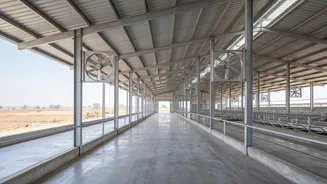
In response to these challenges, a search for climate-resilient solutions is underway. On the farm level, this includes practical measures like providing adequate shade, improving ventilation in barns, and using misters or sprinklers for evaporative cooling. Adjusting feeding schedules to cooler parts of the day and providing nutrient-dense feed can also help maintain animal health and productivity. Looking at the bigger picture, there is a growing focus on breeding strategies. Indigenous Indian cattle breeds like the Gir and Sahiwal are known for their natural heat tolerance compared to many high-yielding crossbred varieties, and they represent a crucial genetic resource for building a more resilient national herd. Integrating these traditional breeds with modern farm management could be key to navigating the warmer future.